OLED TVs


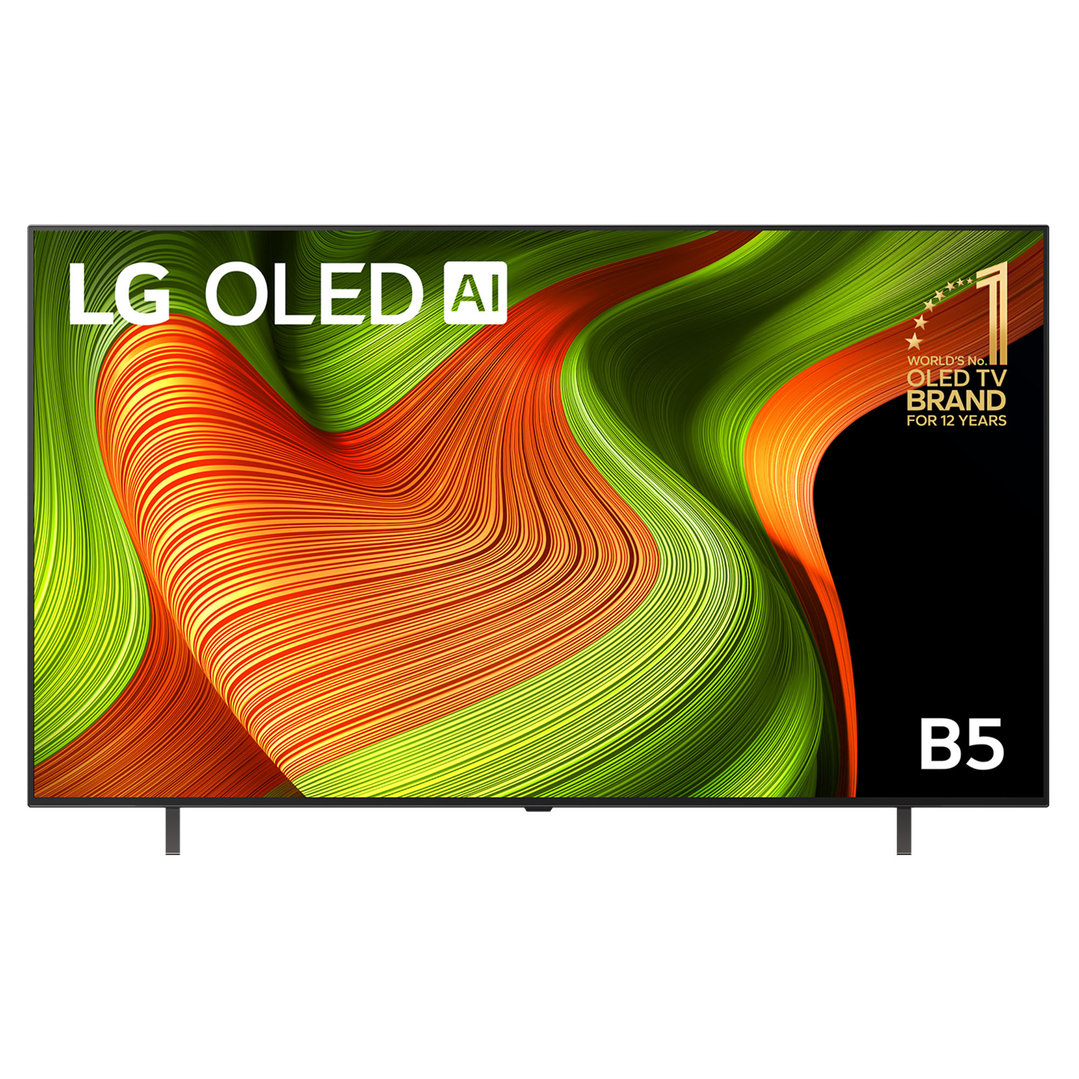

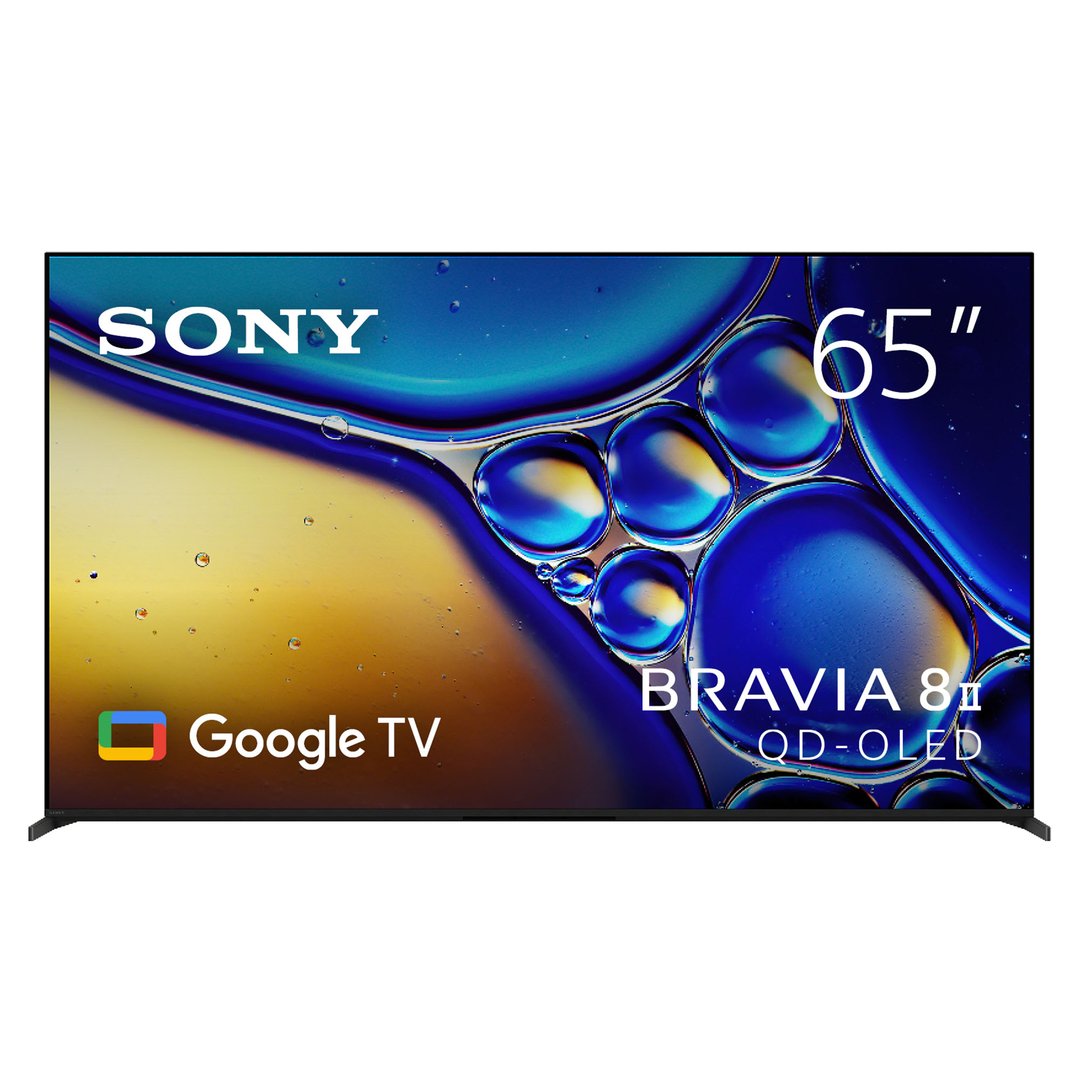


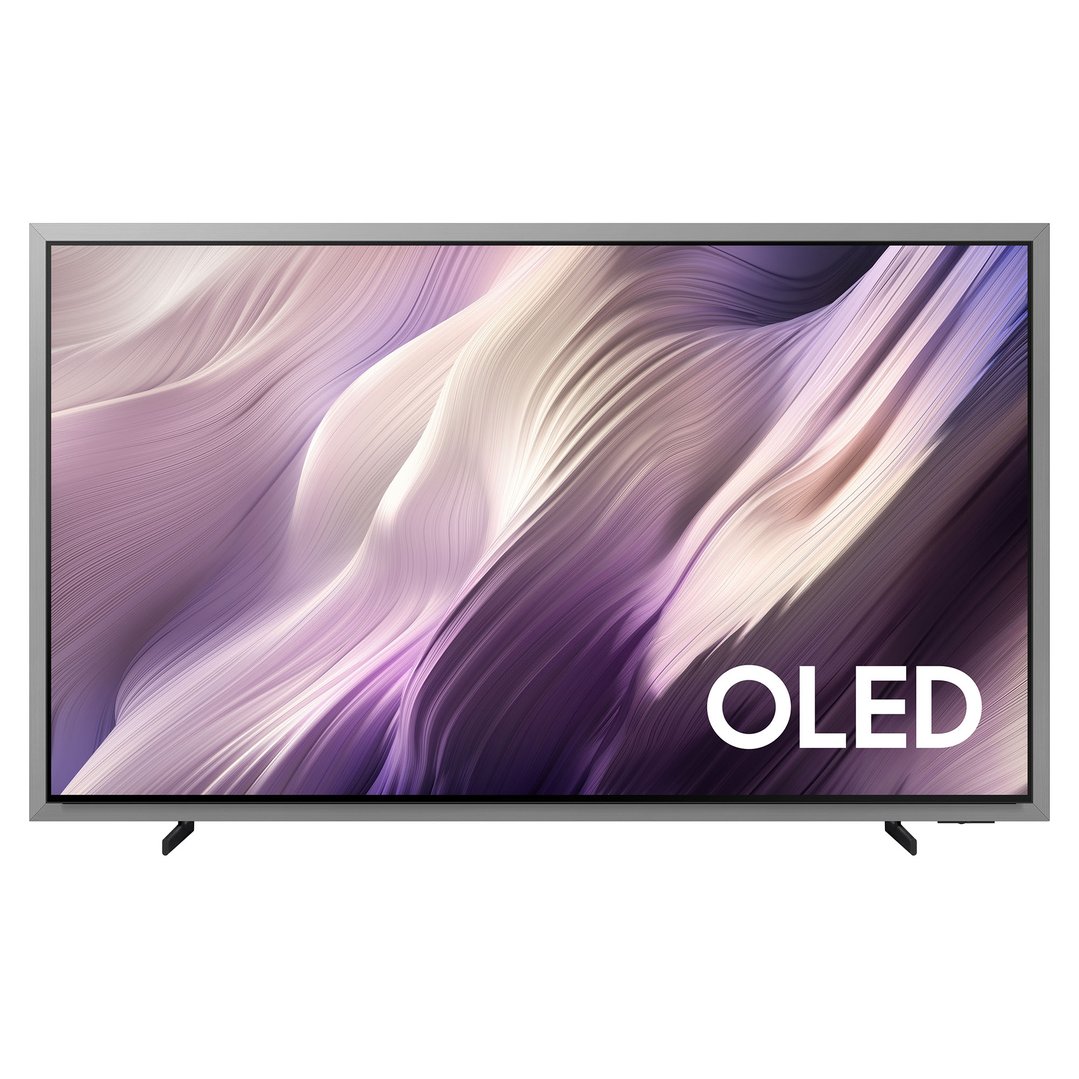
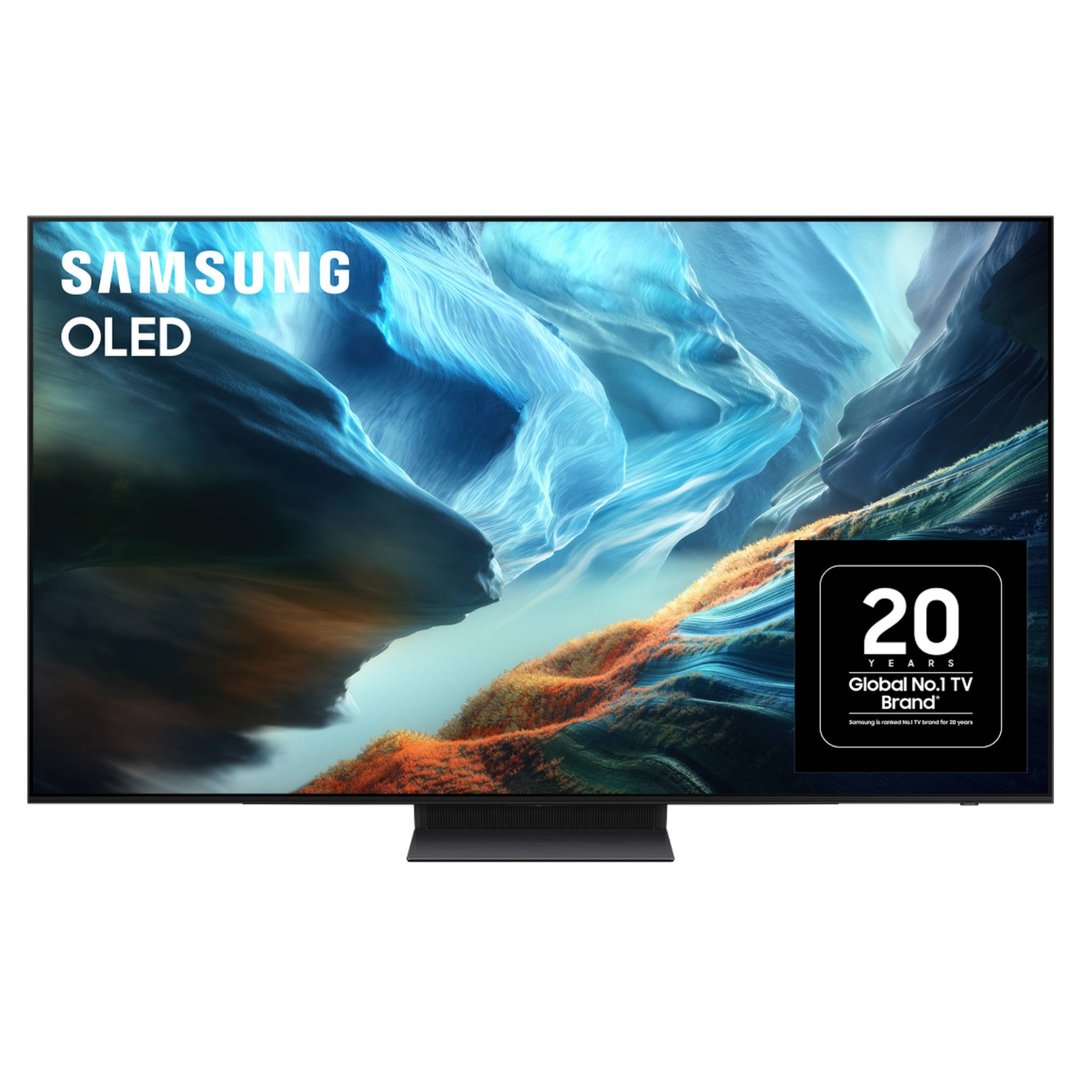
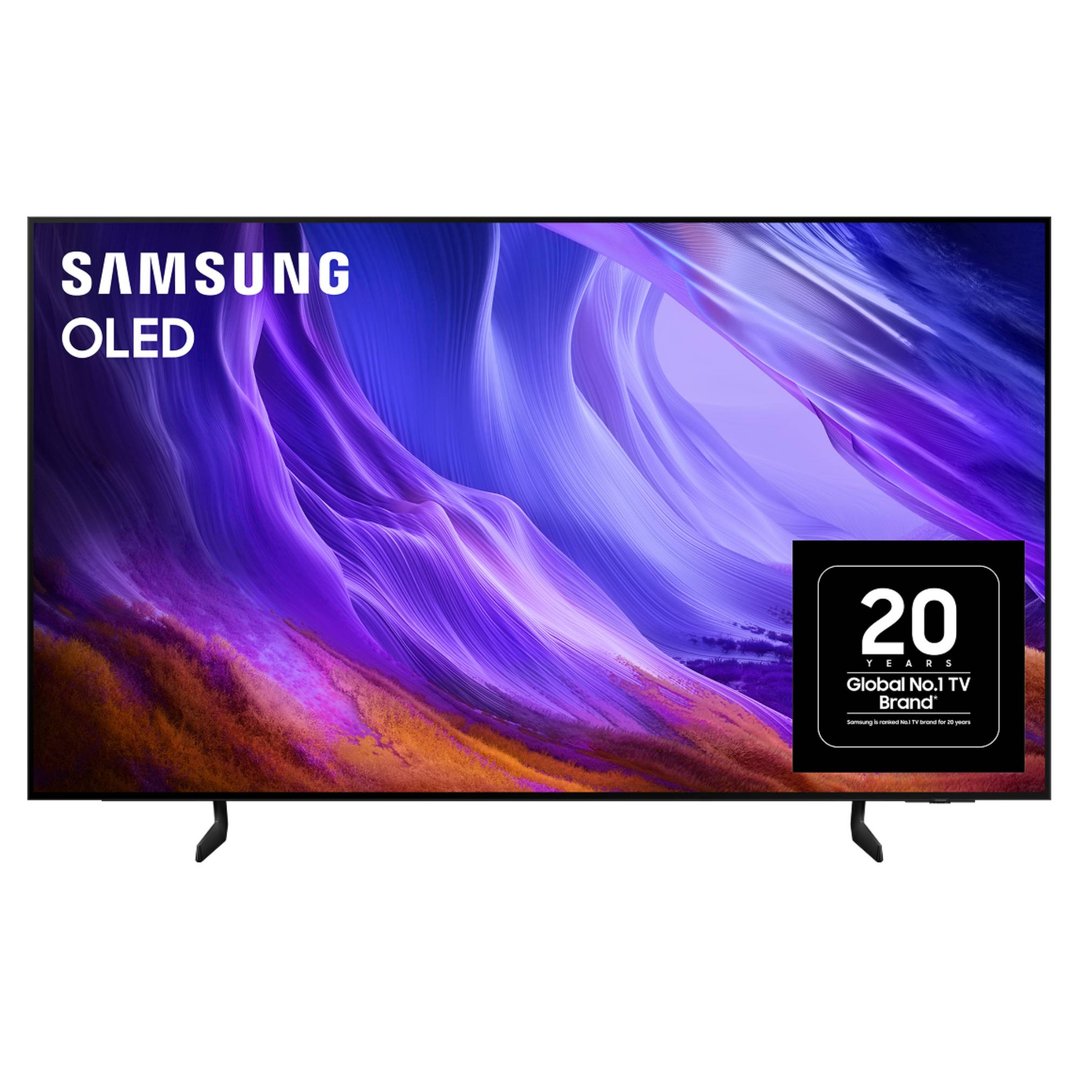
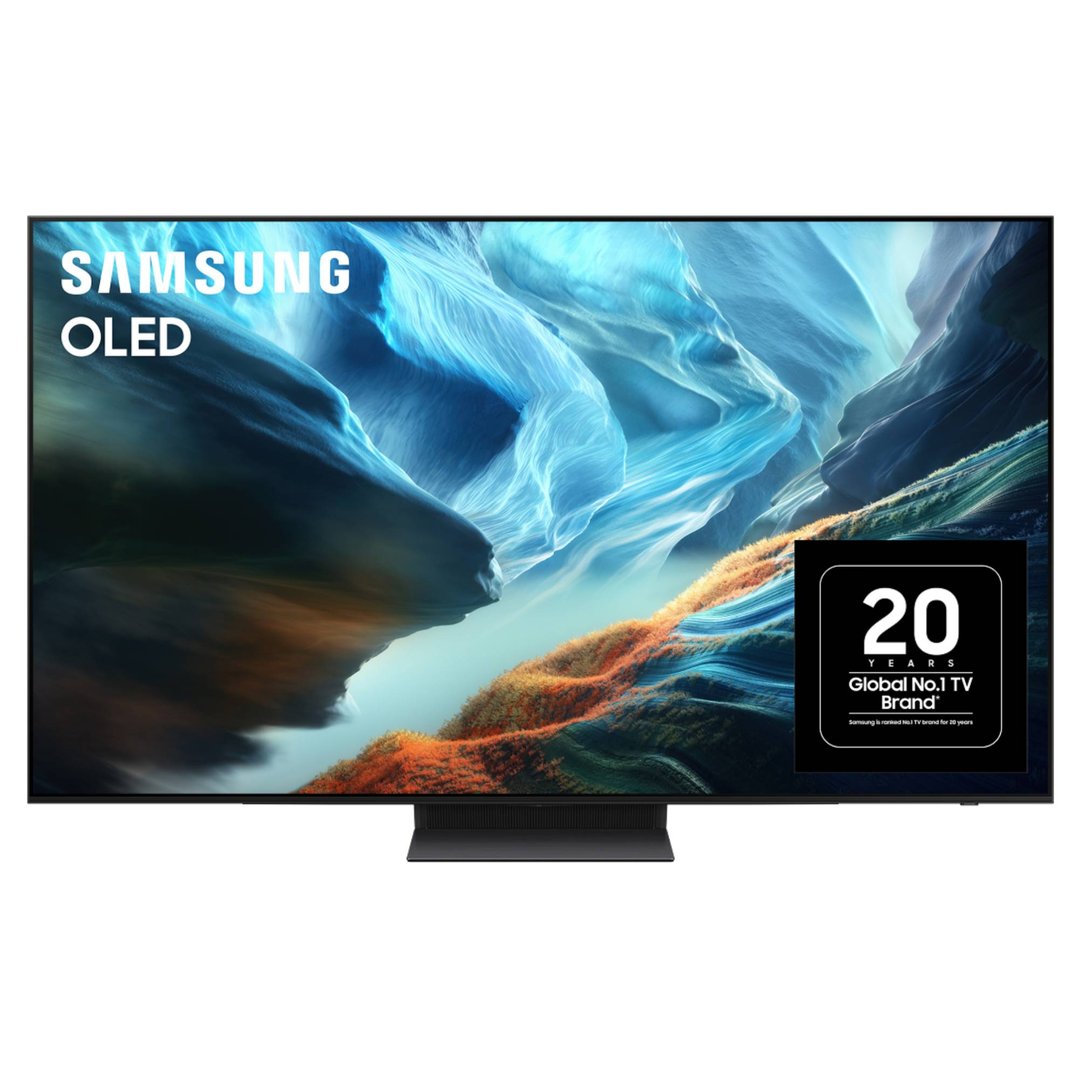
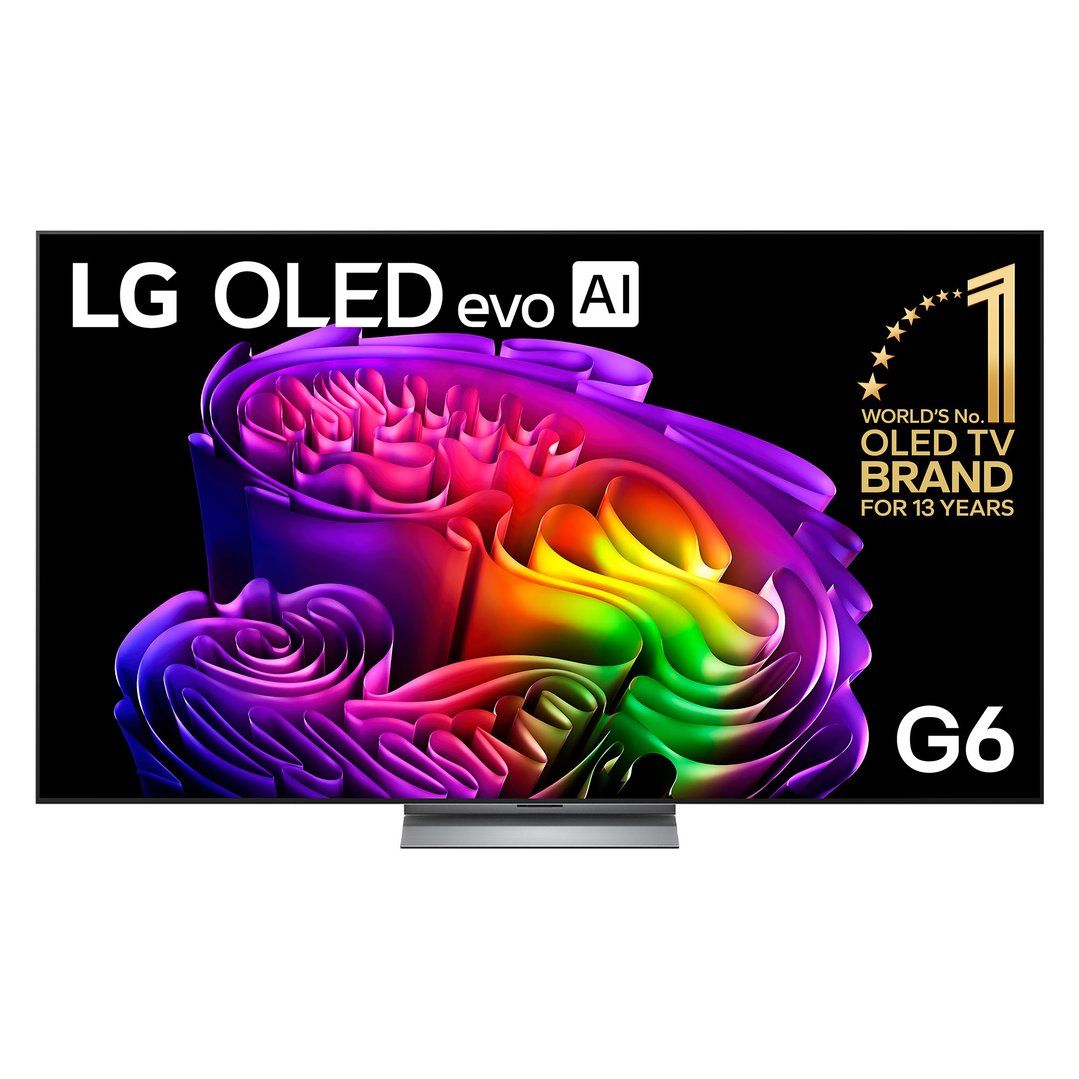
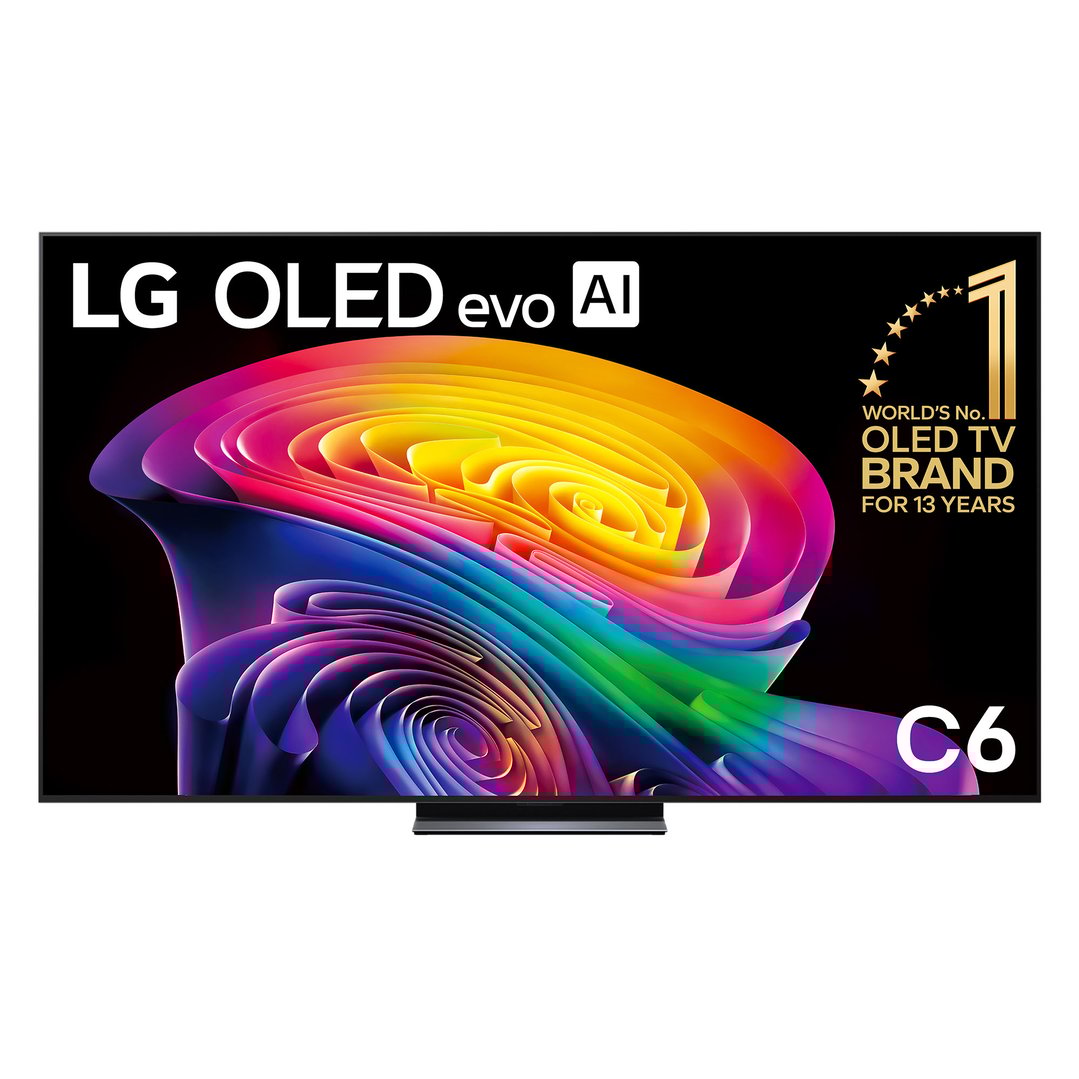
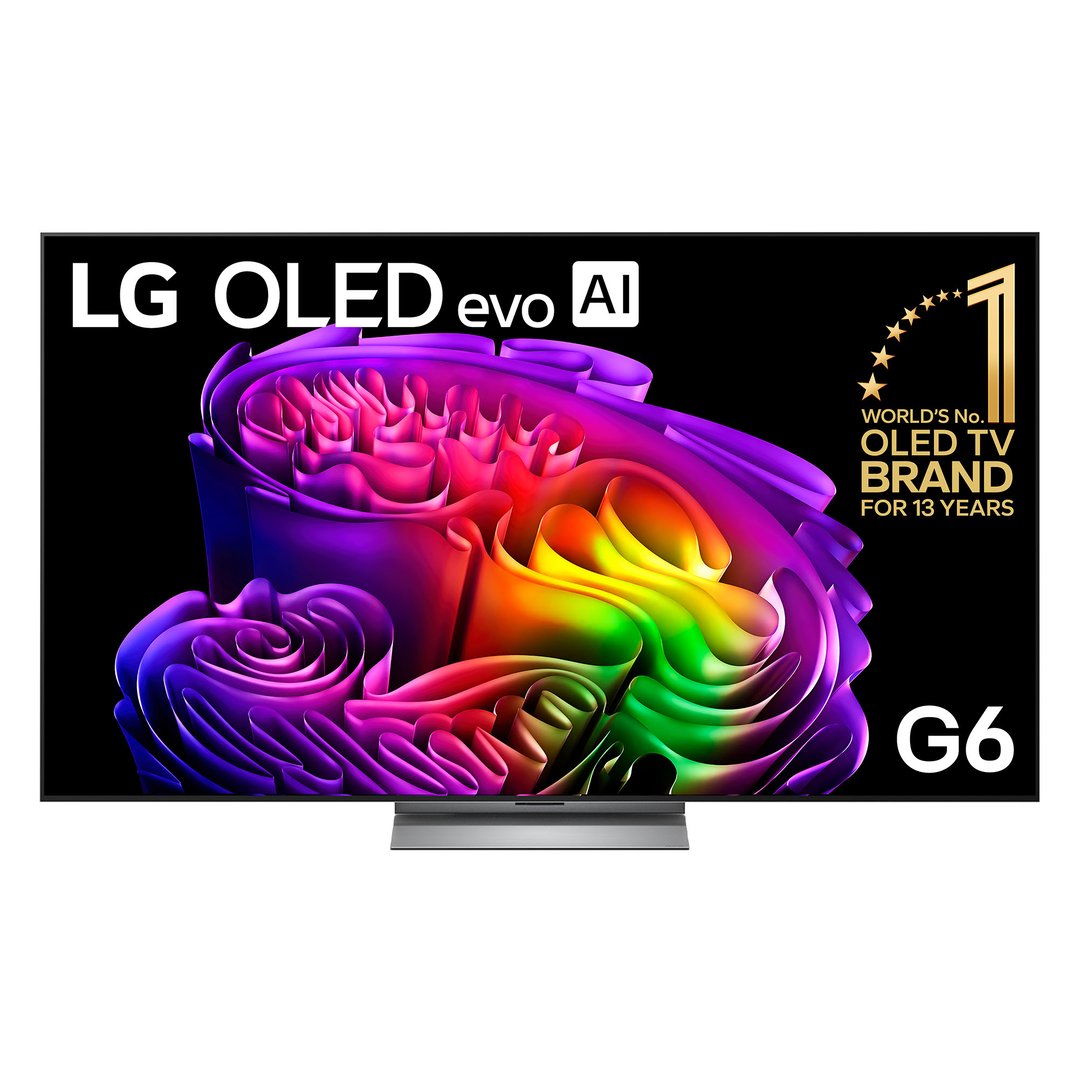
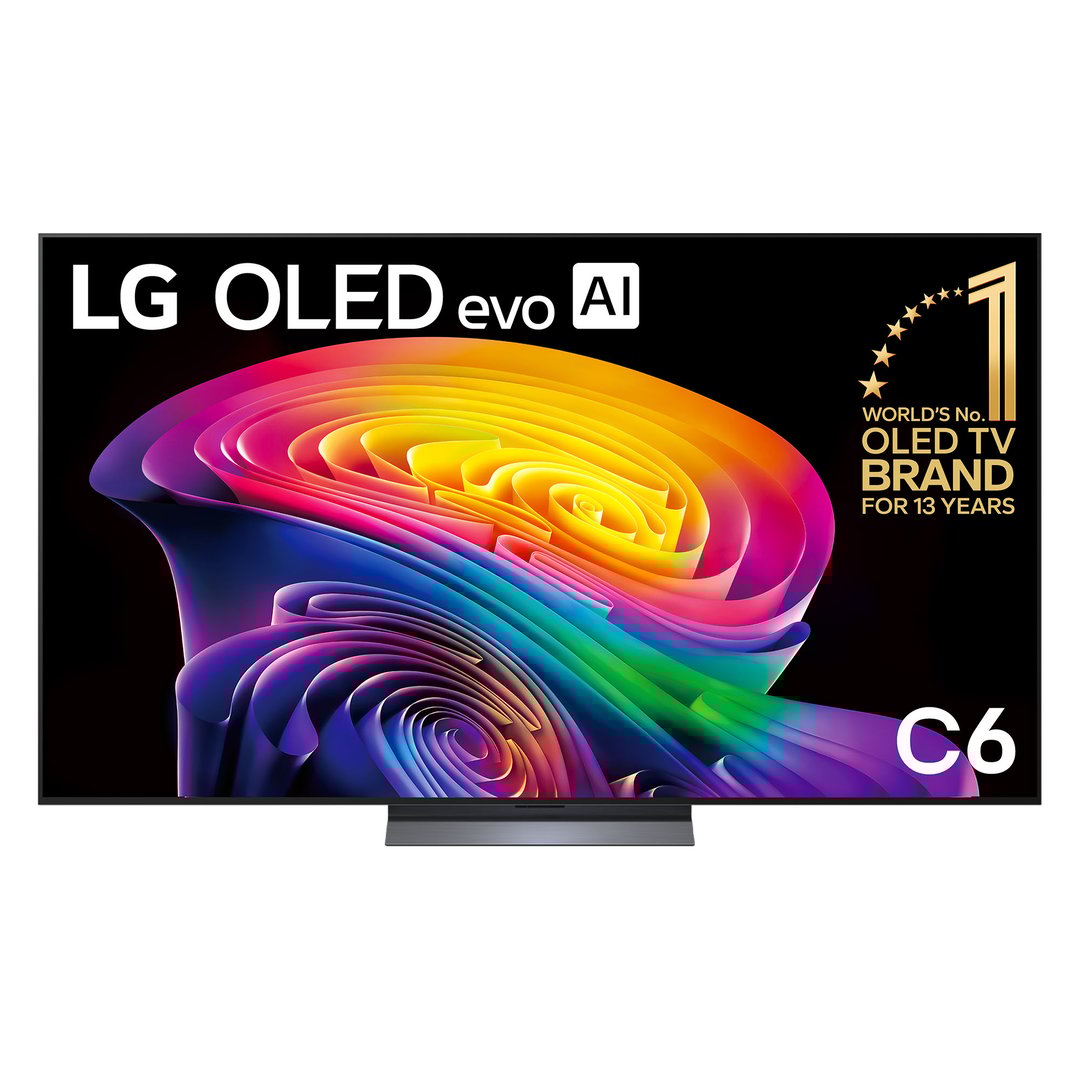
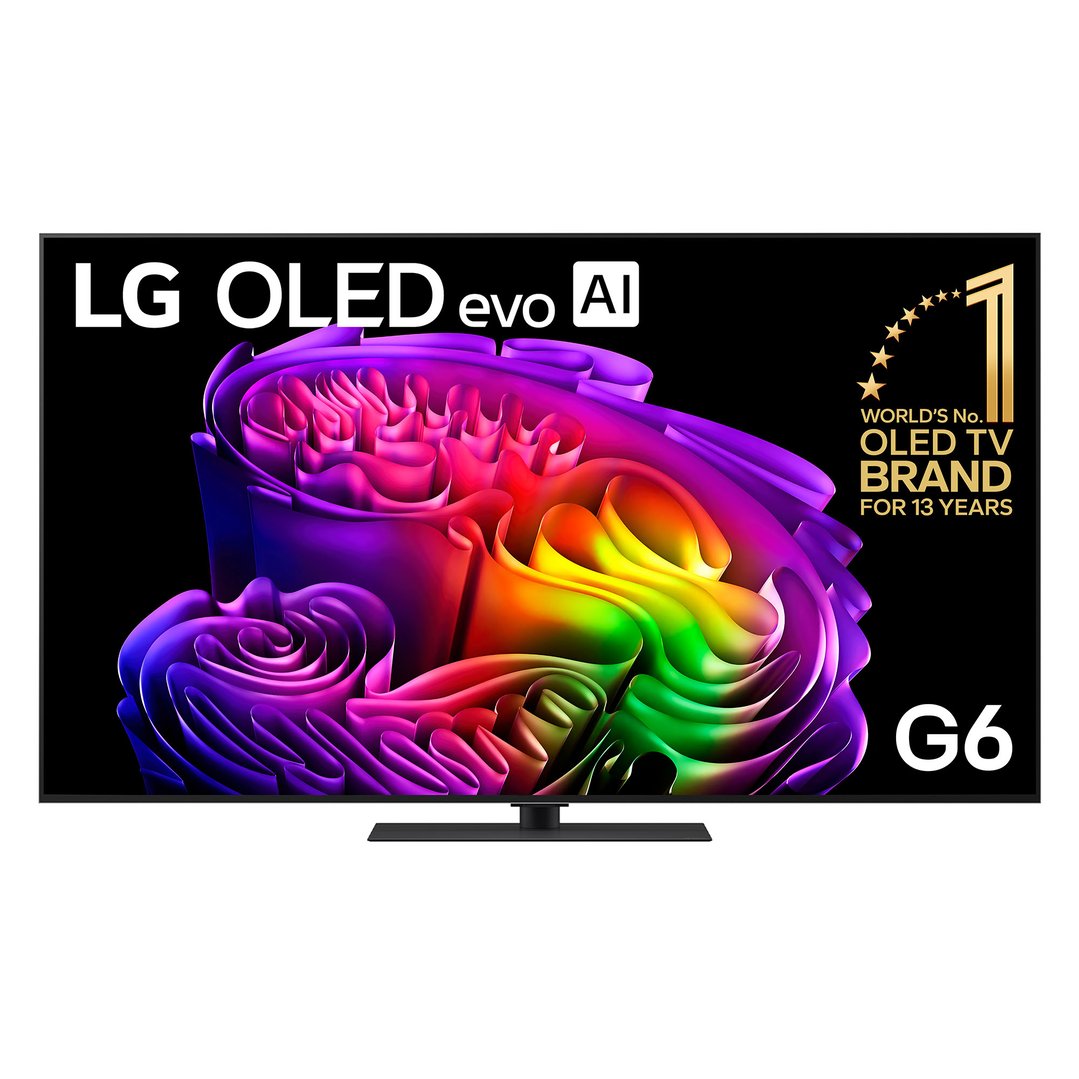
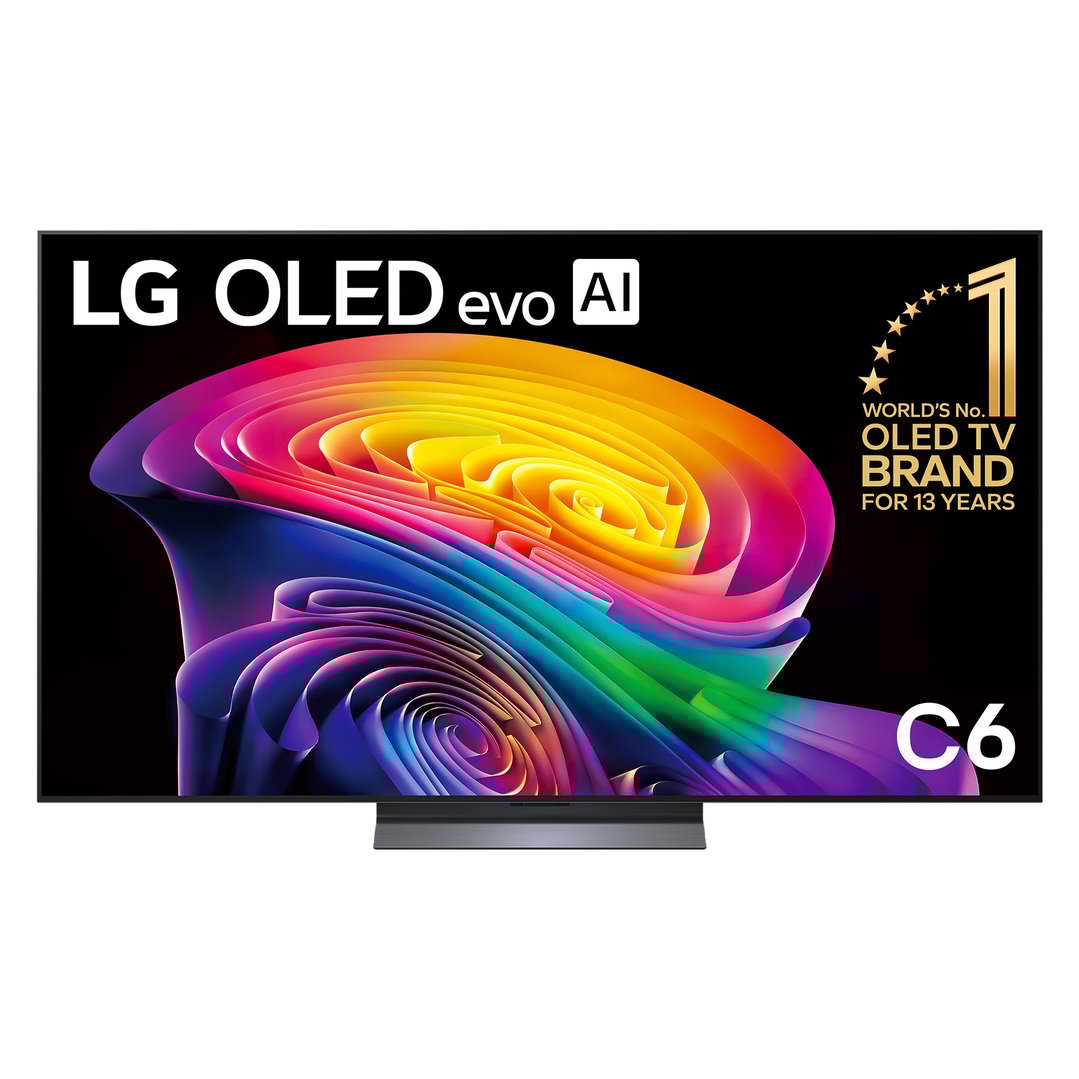
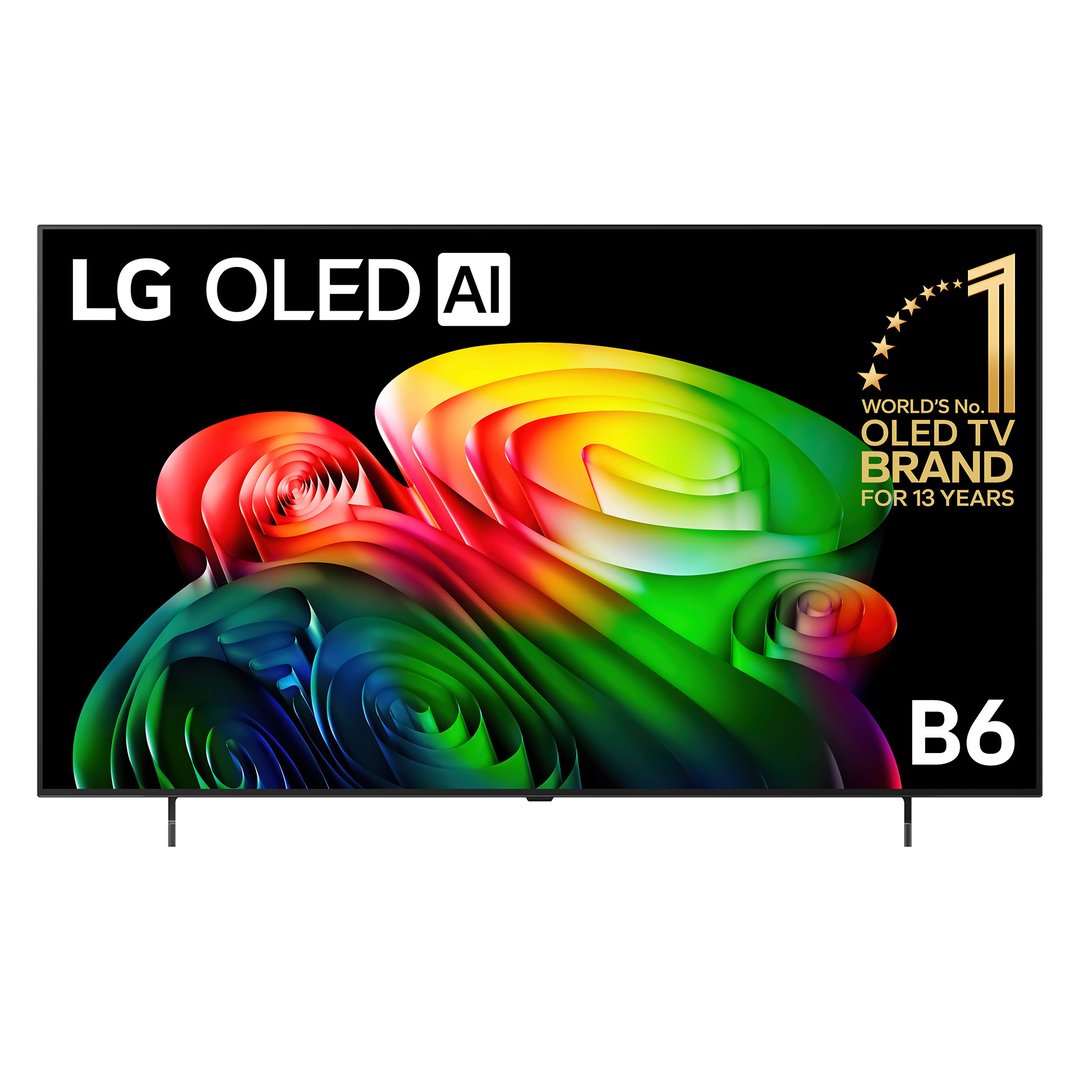
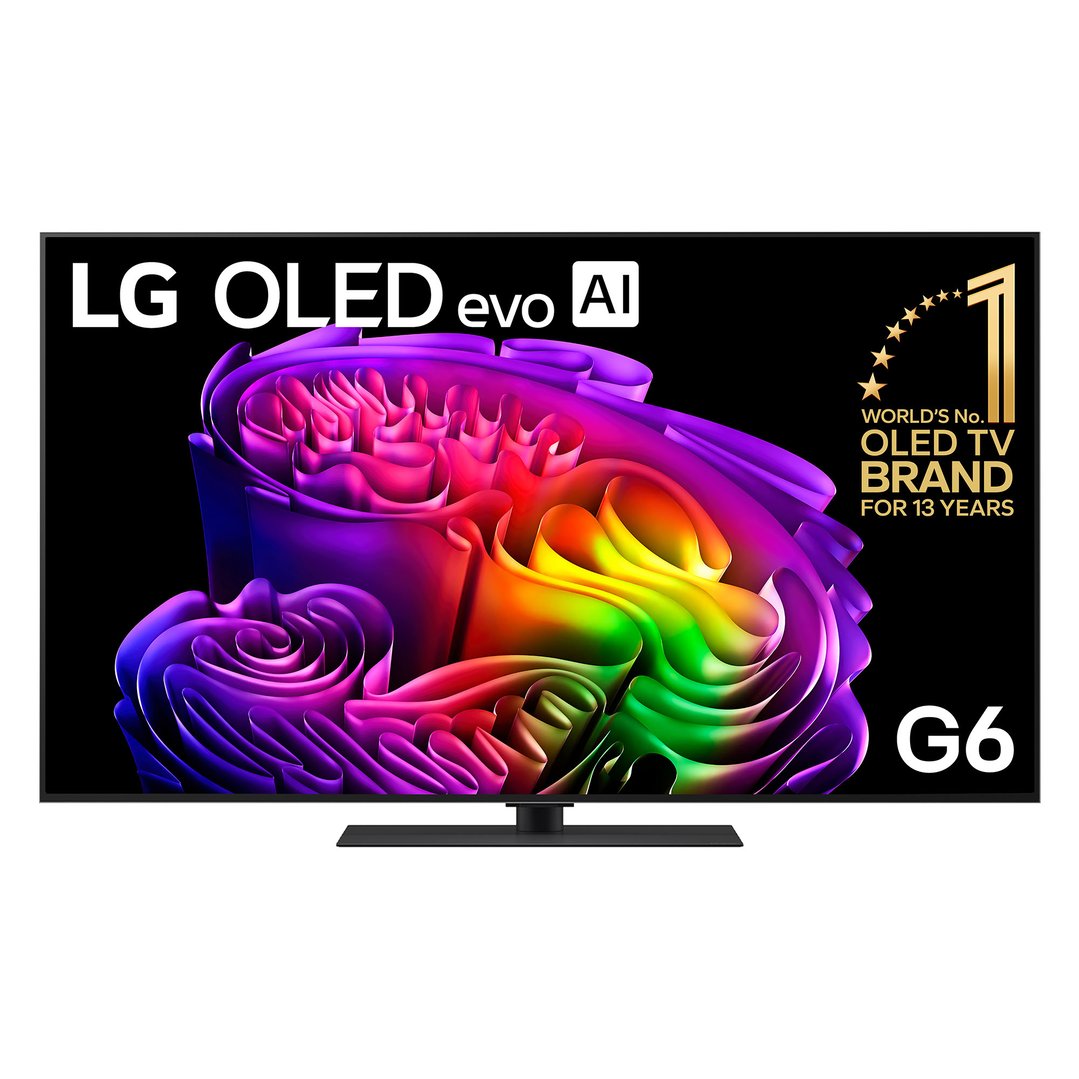
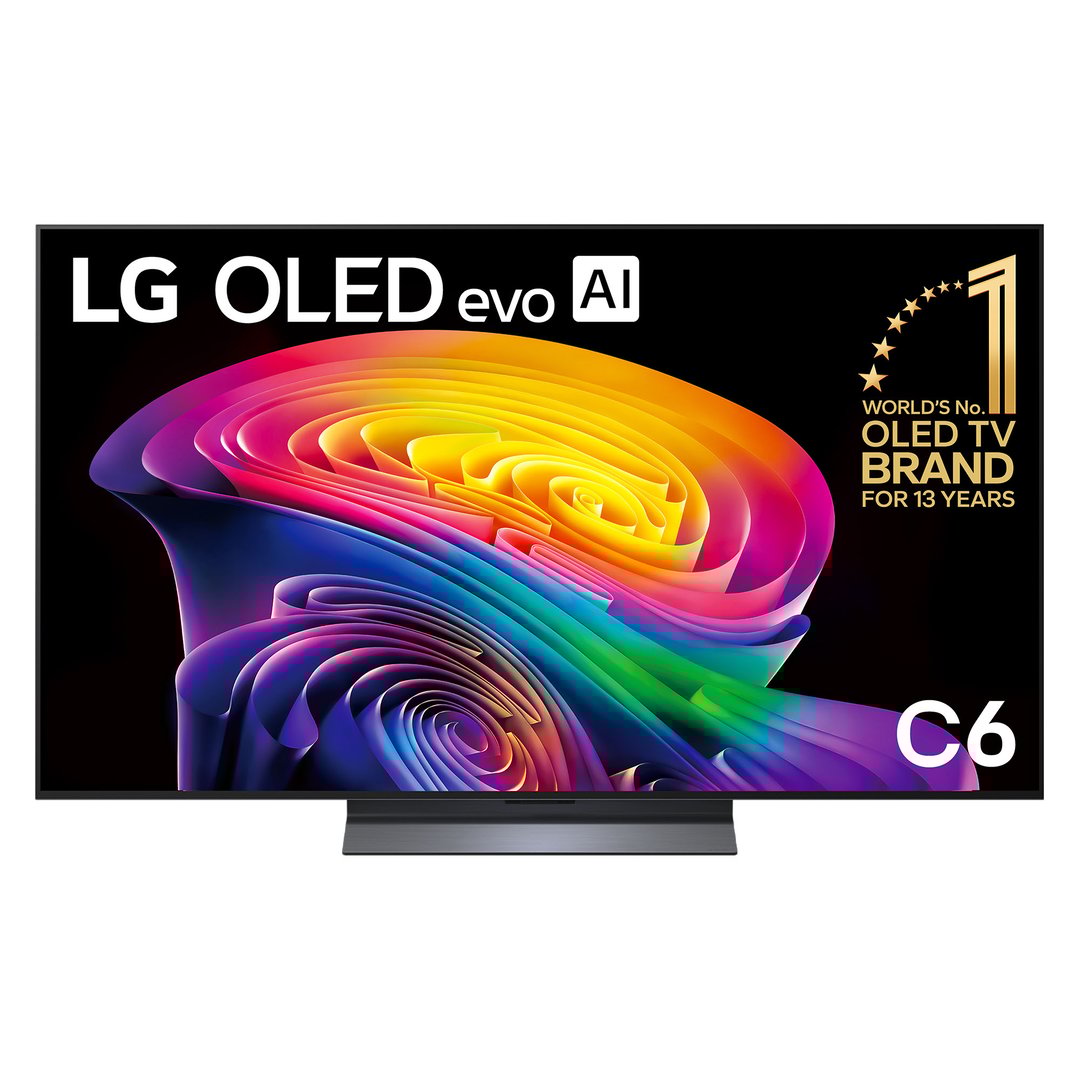
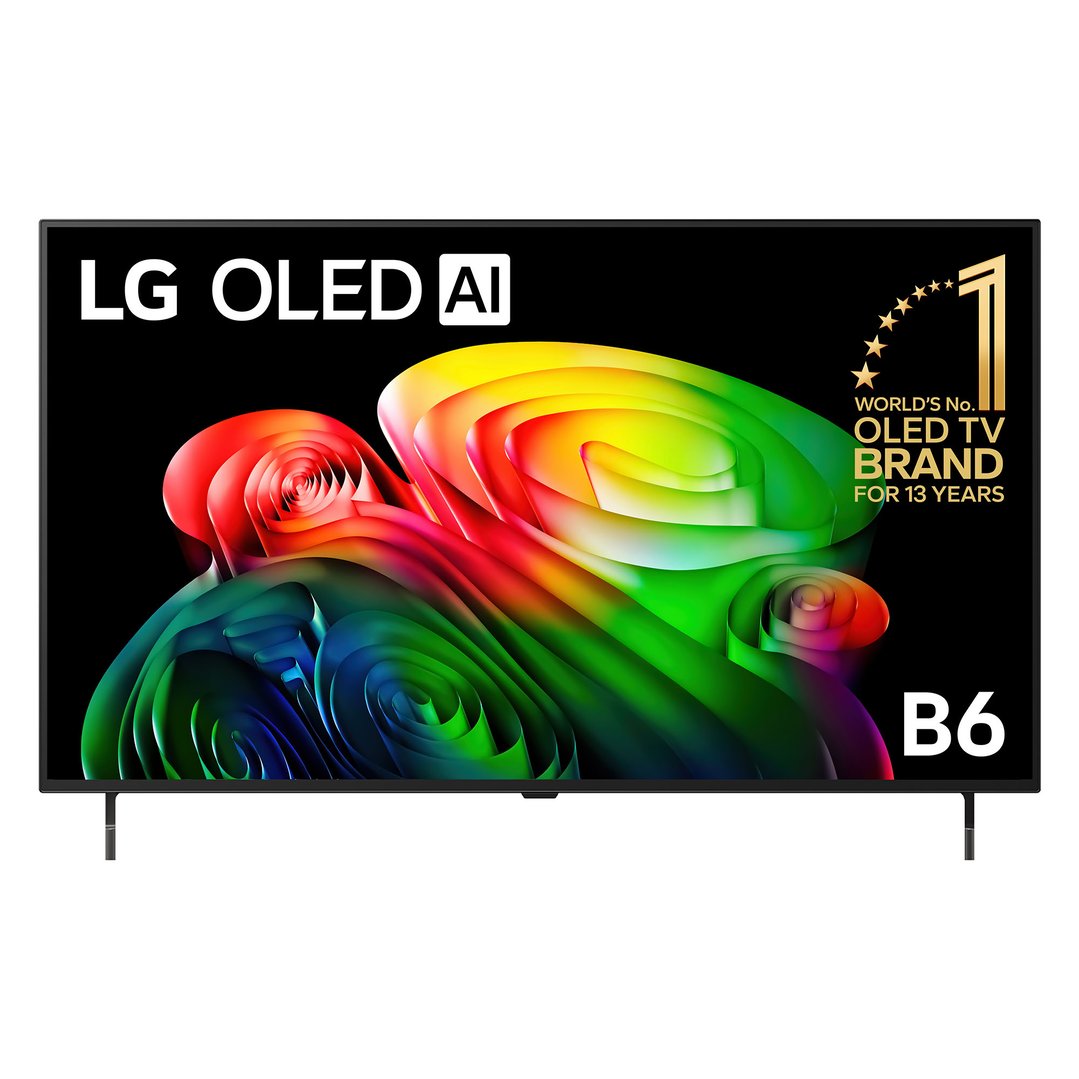
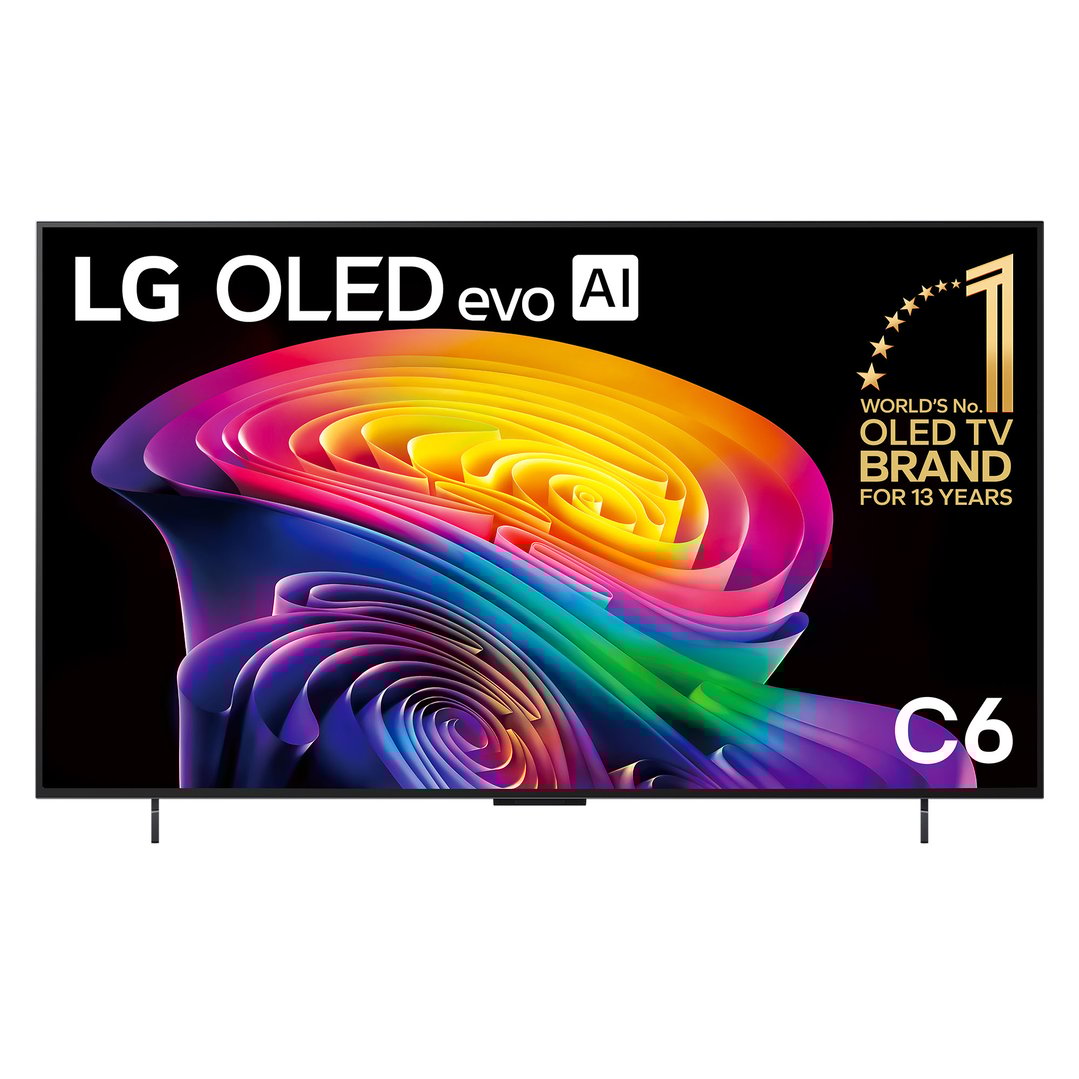
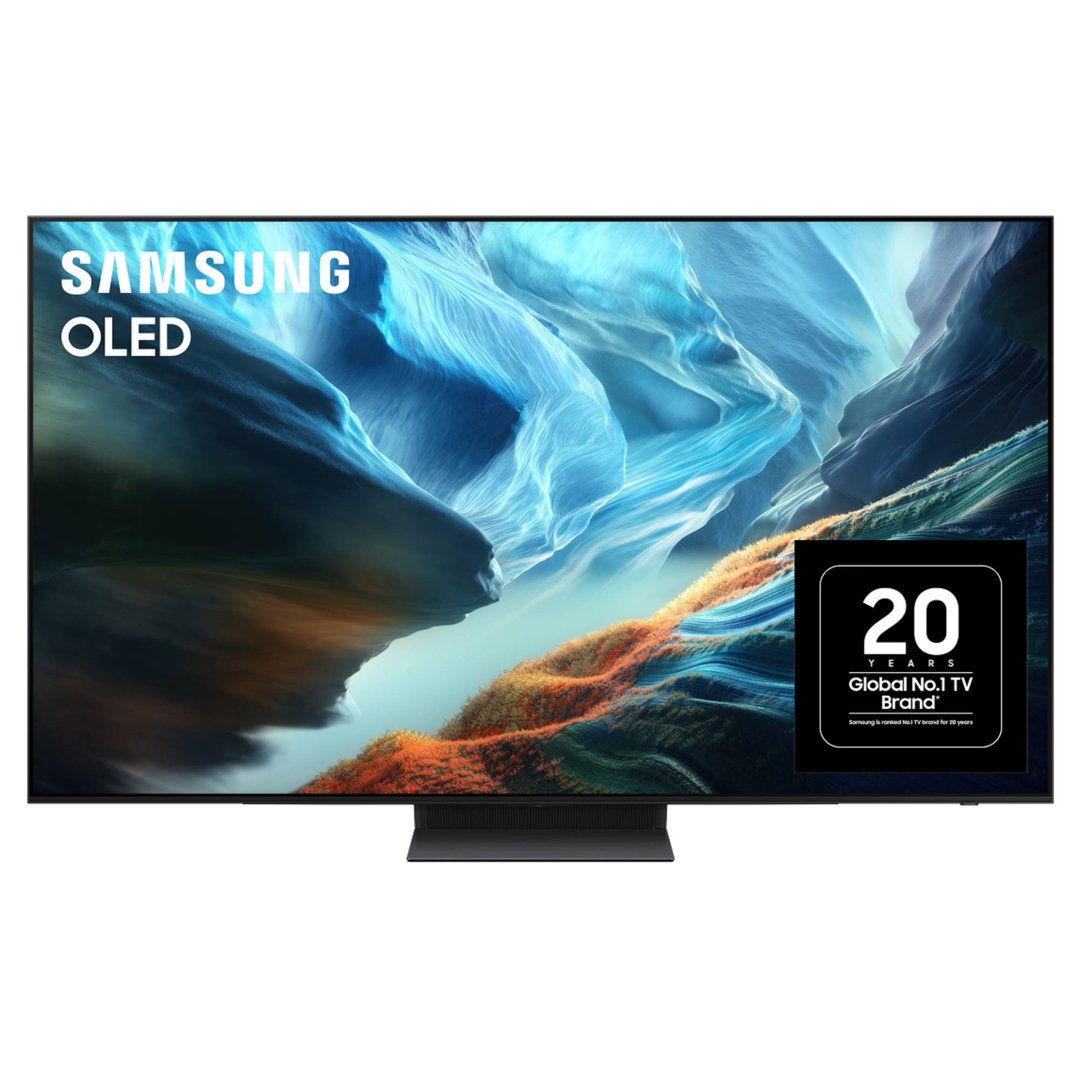
If you're after the best picture quality money can buy, OLED TVs are hard to beat. With self-lit pixels that switch off completely, you get perfect blacks, infinite contrast, and colours that genuinely pop - whether you're watching sport, movies, or your favourite series. At Bing Lee, we stock the latest OLED models from the world’s leading brands, including Samsung, LG, Hisense, and TCL, ensuring you have access to the very best in home entertainment innovation.
FAQs
1. What are the key features of an OLED TV?
OLED (Organic Light Emitting Diode) TVs are renowned for their exceptional picture quality, which is achieved through several key features. Unlike traditional LED TVs, OLED TVs do not require a backlight. Each pixel in an OLED display emits its own light, allowing for perfect black levels and infinite contrast ratios. This results in more vibrant colours and sharper images. Additionally, OLED screens offer wider viewing angles without colour degradation, making them ideal for larger rooms or group viewings. The thin and flexible nature of OLED panels also allows for sleek, modern designs that can be curved or even rolled up. These features collectively make OLED TVs a popular choice among consumers seeking superior visual performance.
2. How does an OLED TV compare to a 4K LED TV?
When comparing OLED TVs to 4K LED TVs, several distinctions become apparent. OLED TVs excel in delivering perfect black levels and infinite contrast ratios due to their self-emissive pixels, which can turn off completely to achieve true blacks. This results in more vibrant colours and a more immersive viewing experience. On the other hand, 4K LED TVs use backlighting technology that can sometimes lead to light bleed and less accurate blacks. However, 4K LED TVs often have higher brightness levels than OLEDs, making them better suited for well-lit environments. In terms of longevity, LEDs generally have a longer lifespan compared to OLEDs but may suffer from issues like burn-in over time with static images. Ultimately, the choice between the two depends on your specific needs and viewing conditions.
3. What should I look for in the best OLED TV?
First and foremost is resolution; while most modern OLEDs offer 4K resolution, some high-end models provide 8K resolution for even greater detail. Next is HDR (High Dynamic Range) support; look for models that support multiple HDR formats like HDR10+, Dolby Vision, and HLG for enhanced colour accuracy and contrast. Refresh rate is another important specification; higher refresh rates (120Hz or above) provide smoother motion handling essential for sports and gaming enthusiasts. Additionally, consider connectivity options such as HDMI 2.1 ports for future-proofing your setup with next-gen gaming consoles or other high-bandwidth devices. Lastly, smart features like voice control compatibility with Google Assistant or Amazon Alexa can significantly enhance user convenience.
4. What is the difference between OLED and QLED TVs?
While the names sound similar, OLED and QLED are fundamentally different technologies. OLED (Organic Light Emitting Diode) is "self-emissive," meaning every single pixel creates its own light and can turn off completely. This results in perfect blacks and infinite contrast, making it the gold standard for movie lovers and gamers who want a cinematic experience in darker or light-controlled rooms. OLEDs also offer superior viewing angles, so the picture stays perfect even if you aren't sitting directly in front of the screen. QLED (Quantum Dot LED) uses a traditional backlight enhanced by a layer of "Quantum Dots." These dots super-charge the light to produce exceptional brightness and vibrant colour volume. This makes QLED the ideal choice for bright, sun-drenched Australian living rooms, as the screen can easily cut through glare and reflections. QLEDs are also available in a wider range of sizes and are generally more budget-friendly for those looking for a large-format display.
5. Is there a significant difference between various brands of 4K OLED TVs?
When evaluating different brands offering 4K OLED TVs, there are indeed notable differences in quality, performance, and features that could influence your purchase decision significantly. Leading brands like LG are known for their pioneering work in developing advanced panel technologies that deliver superior picture quality with excellent colour accuracy and deep blacks, often setting industry standards in this category. Sony's offerings typically excel in image processing capabilities thanks to their proprietary X1 Ultimate processor which enhances clarity and detail across various content types including fast-moving scenes found in sports broadcasts or action movies. Additionally, Samsung's QLED technology offers competitive alternatives with higher brightness levels suitable for brightly lit rooms although they do not achieve true black levels comparable to OLED displays. Therefore, it’s crucial to consider brand-specific strengths alongside individual model specifications when making your final decision.