Freestanding Dishwashers

$1,599 you
pay $1,279Ends in
11 Days$1,149 you
pay $899Ends in
12 Days$788 you
pay $688Ends in
12 Days$1,479 you
pay $1,279Ends in
12 Days$1,099 you
pay $885Ends in
13 Days$599 you
pay $499Ends in
12 Days$899 you
pay $749Ends in
19 Days$1,099 you
pay $885Ends in
13 Days



















Freestanding Dishwashers
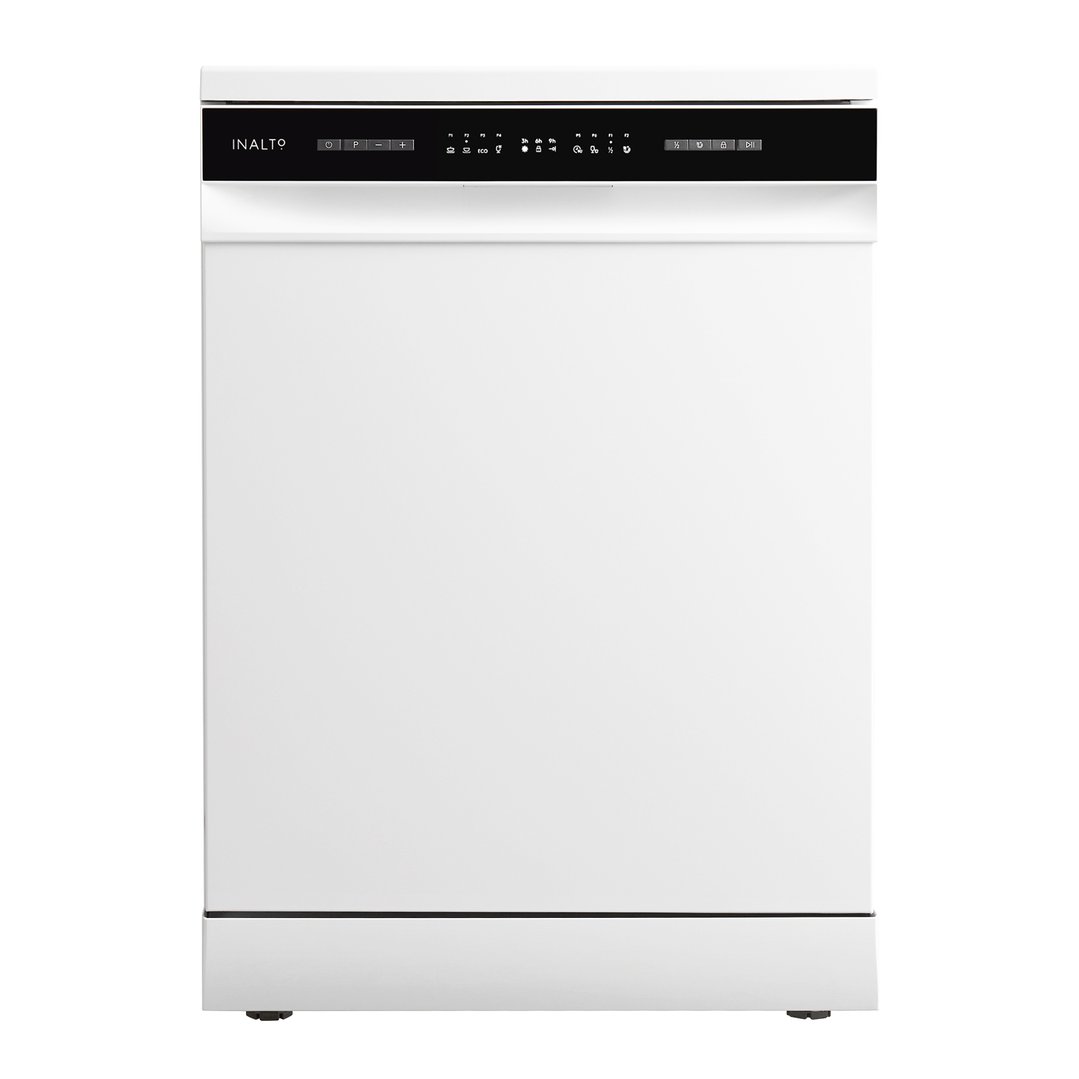
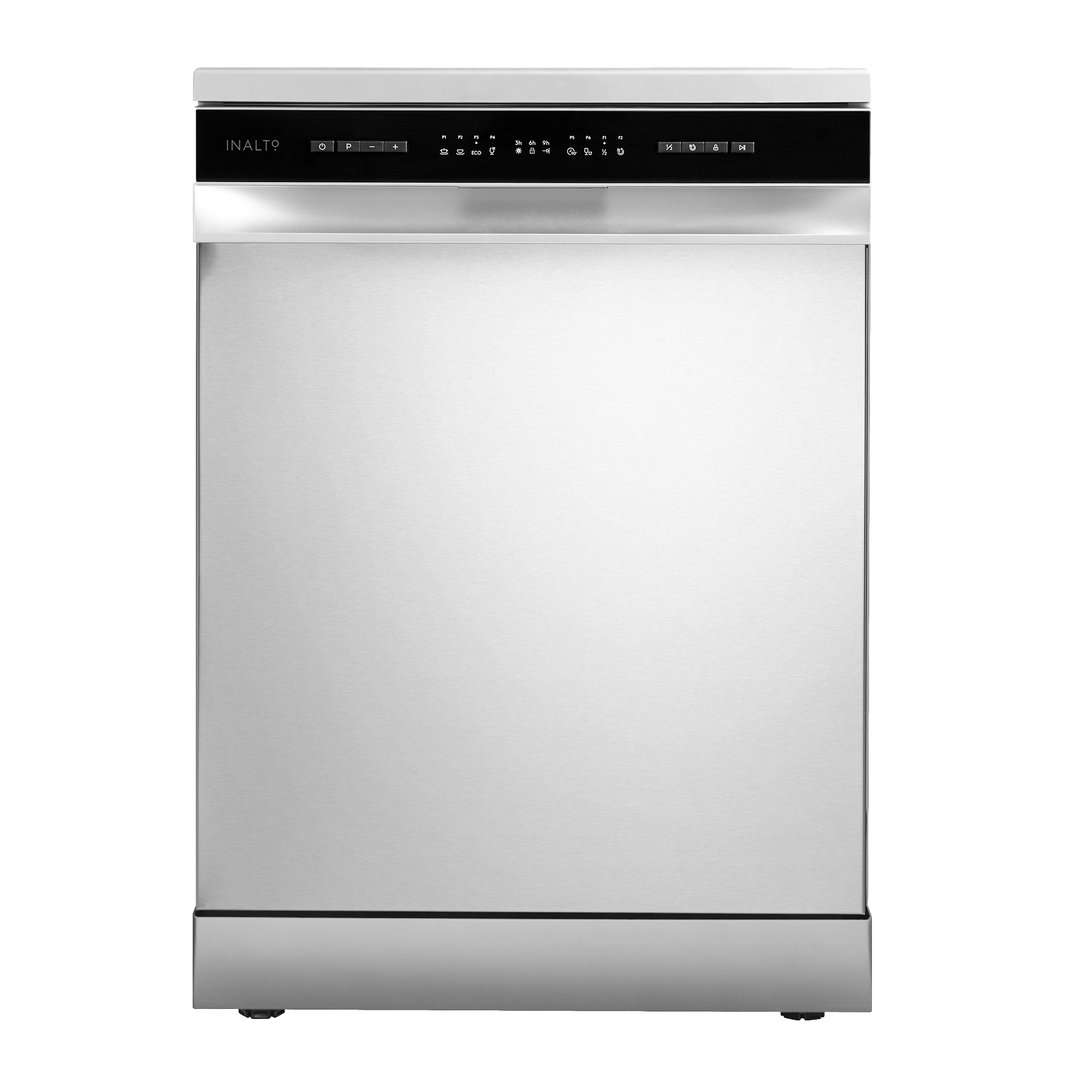
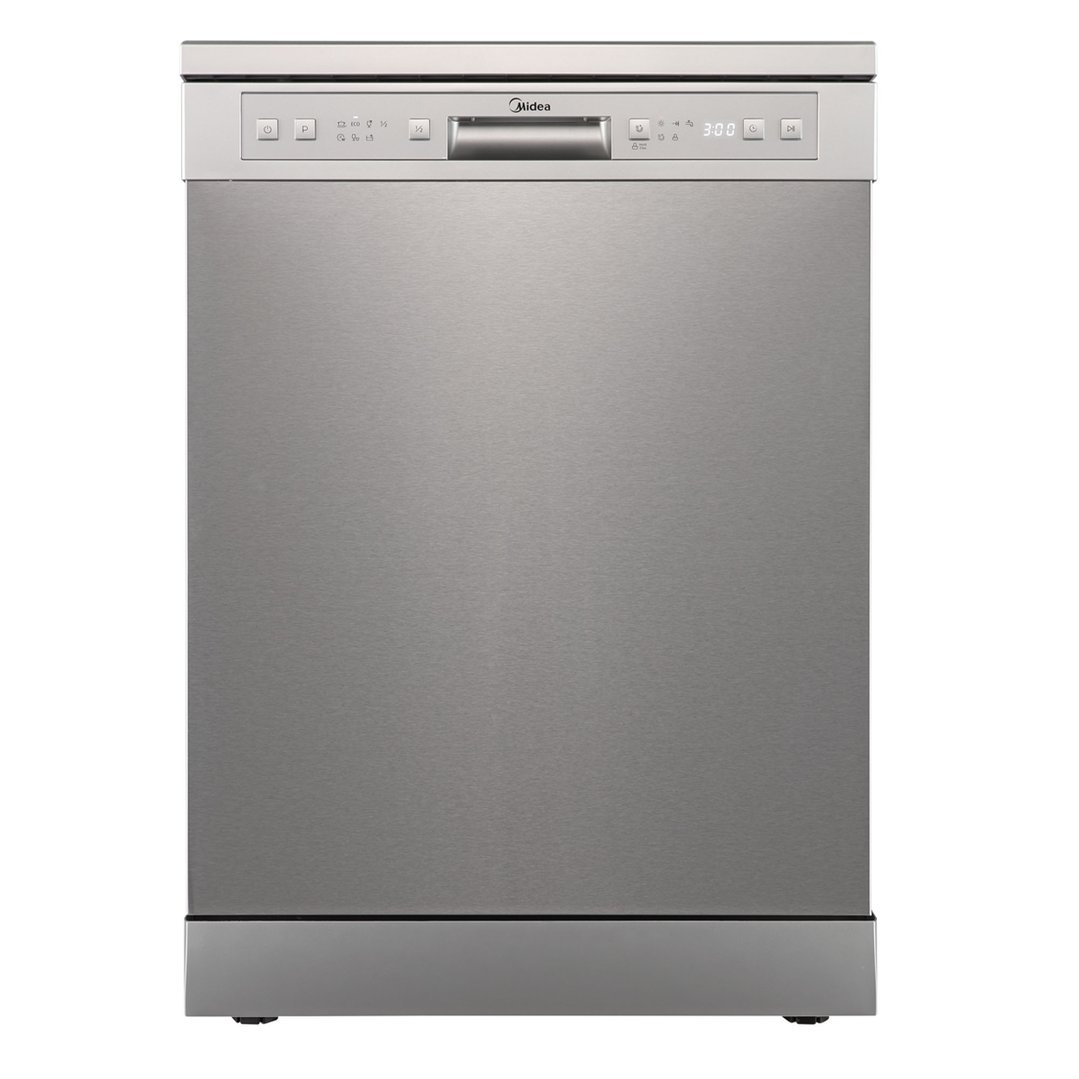
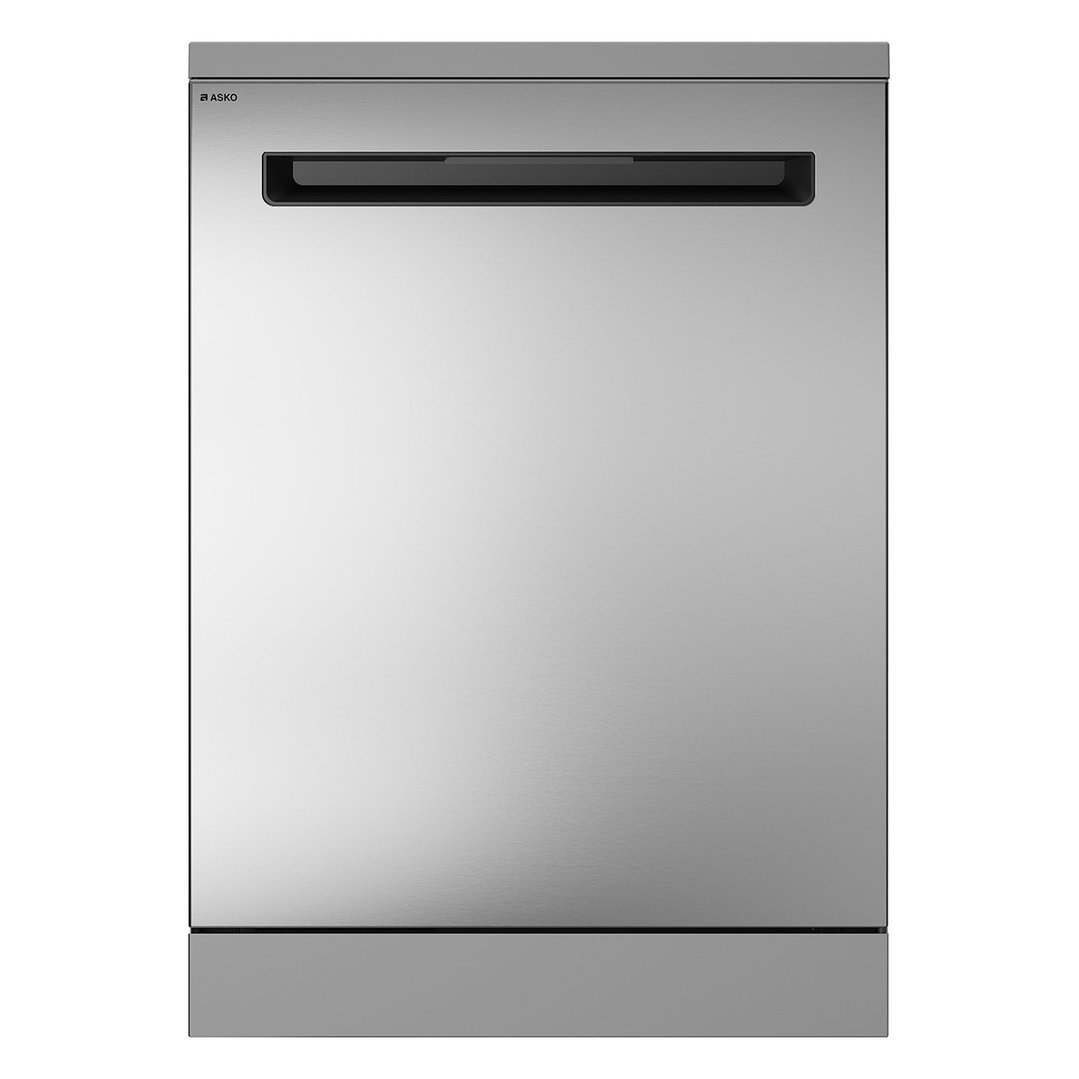
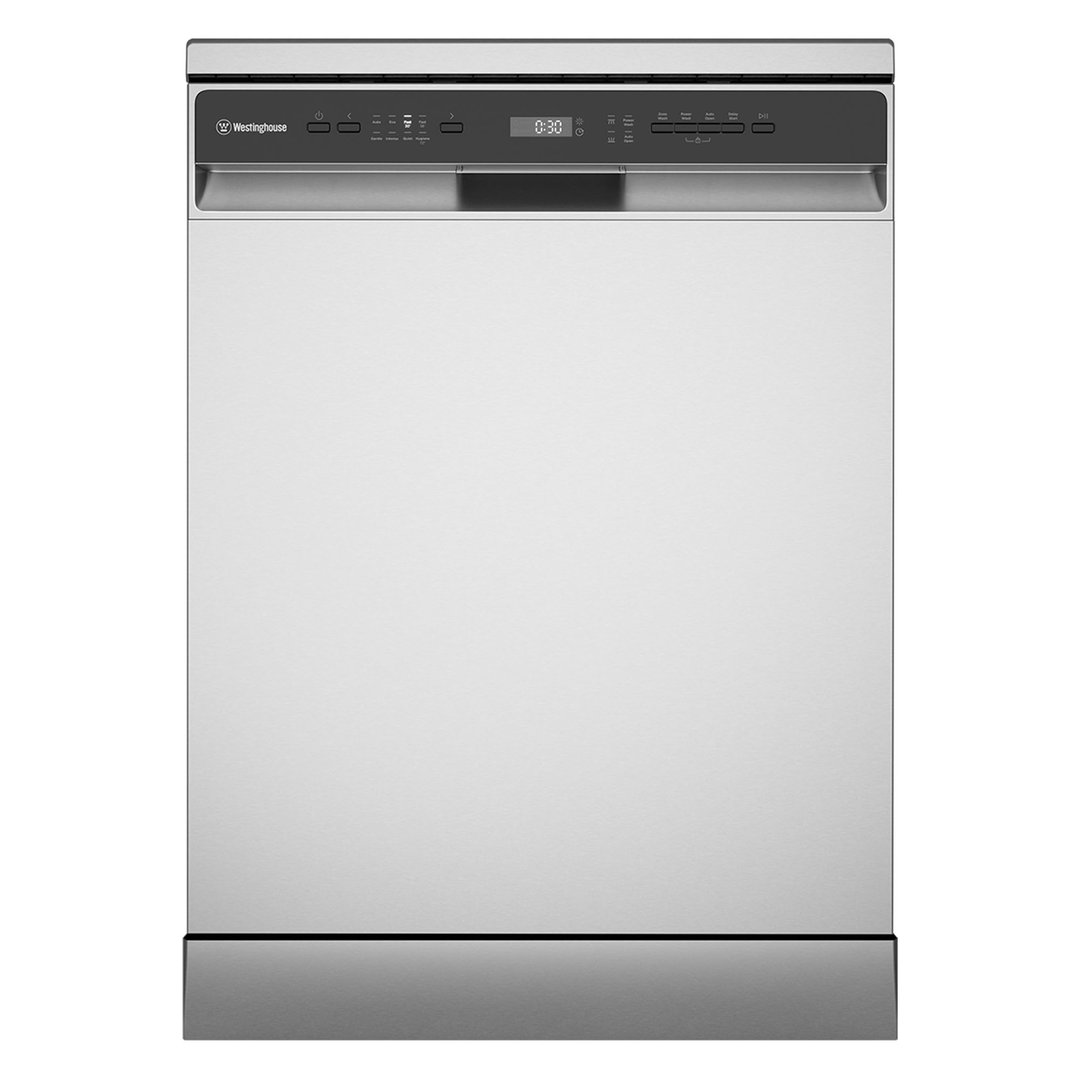
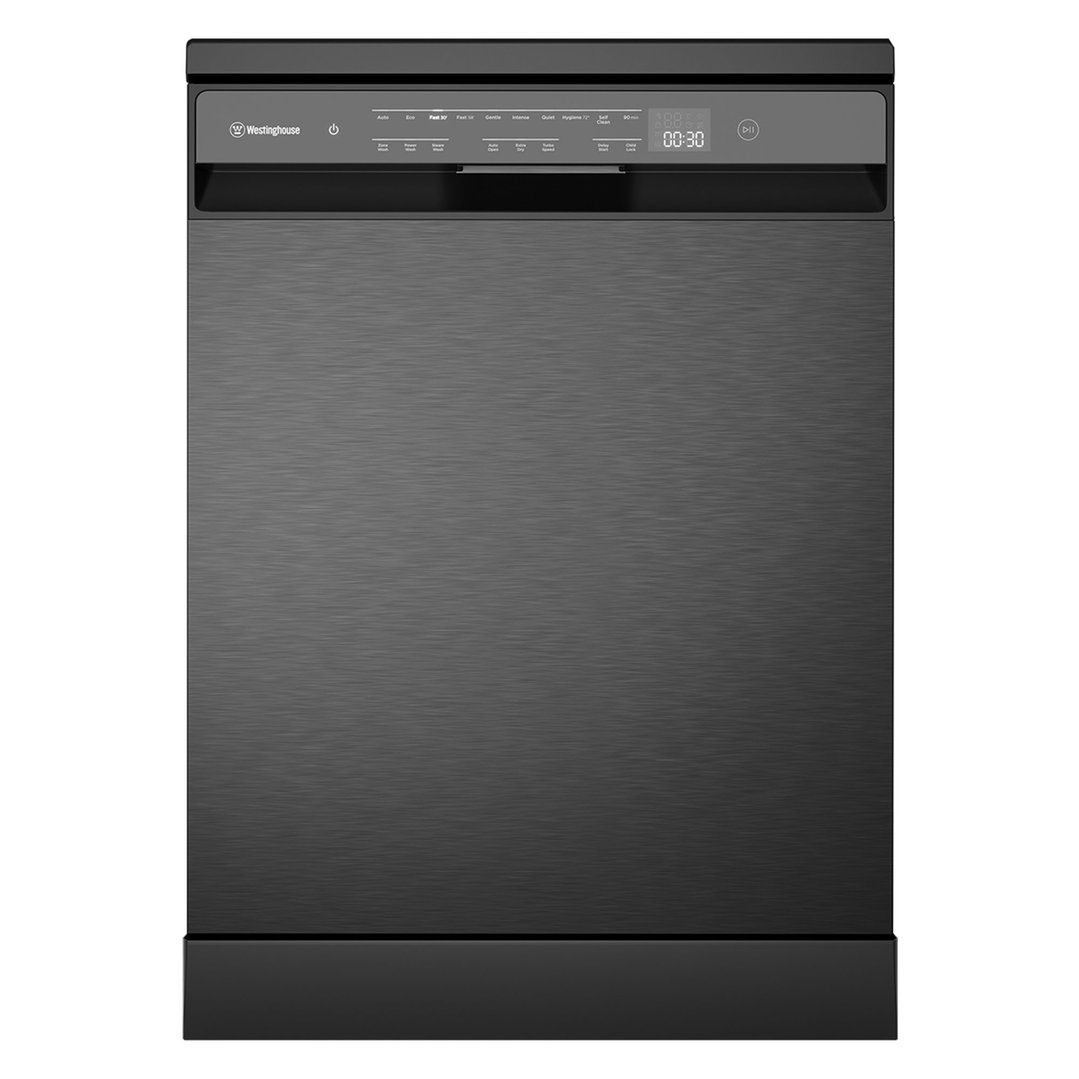
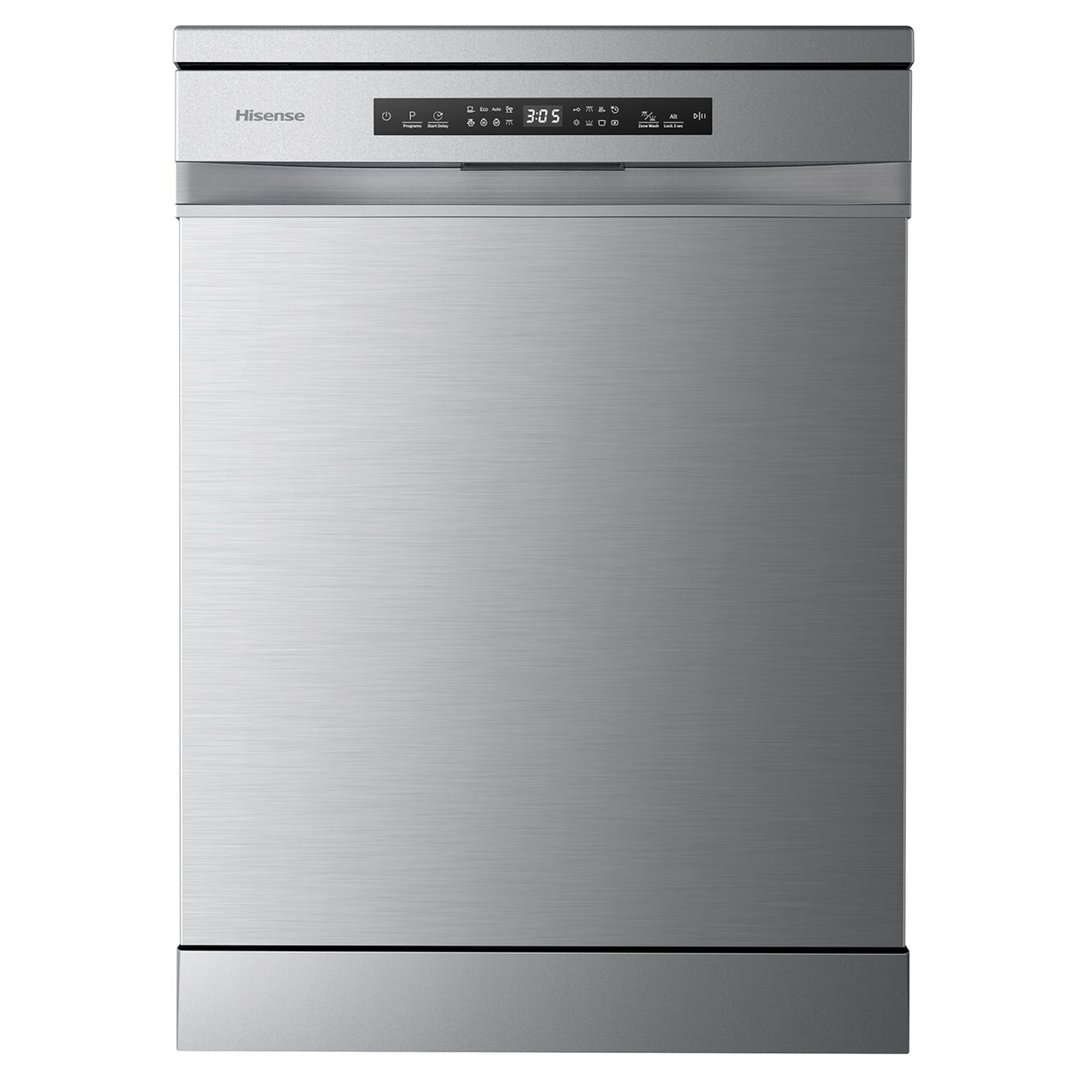
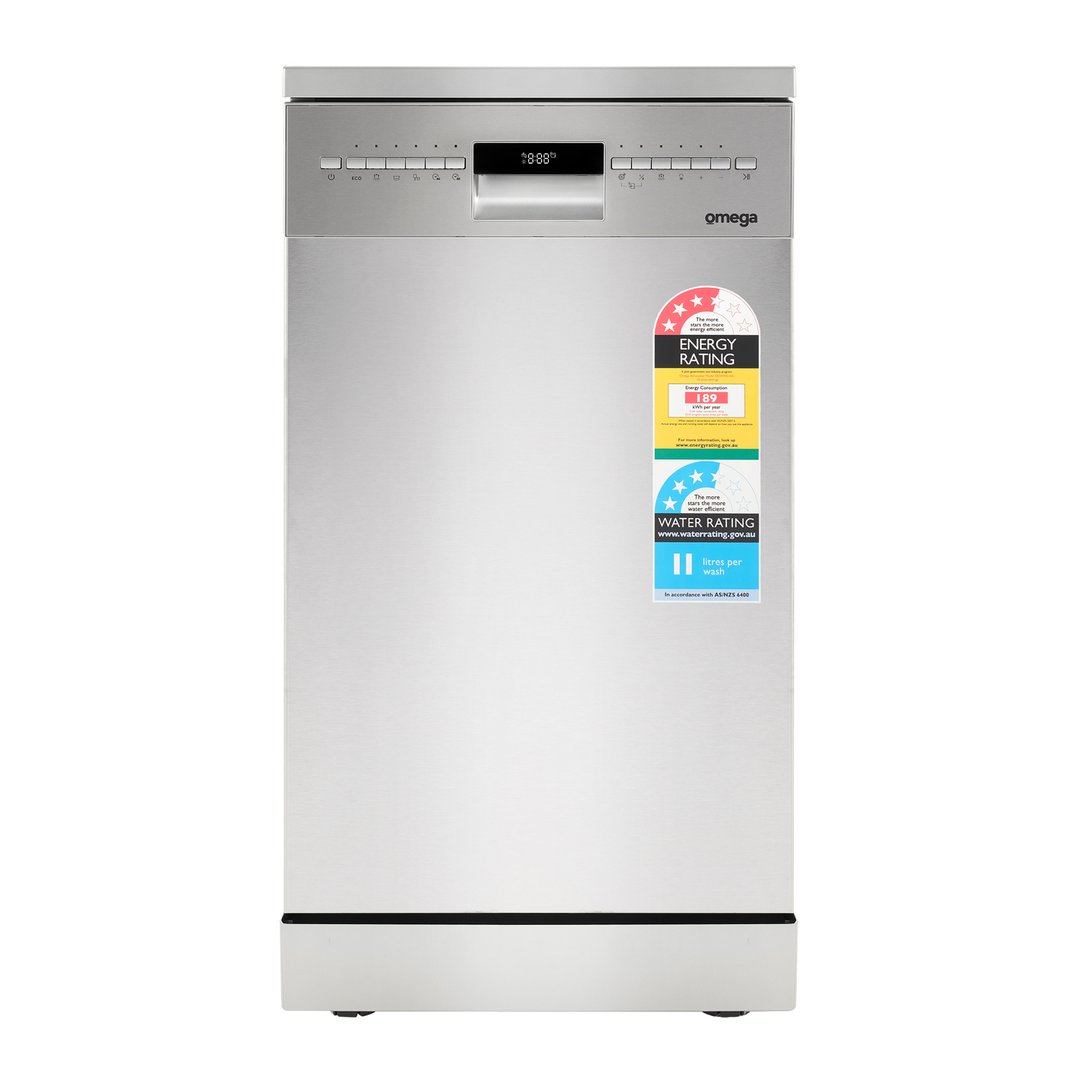
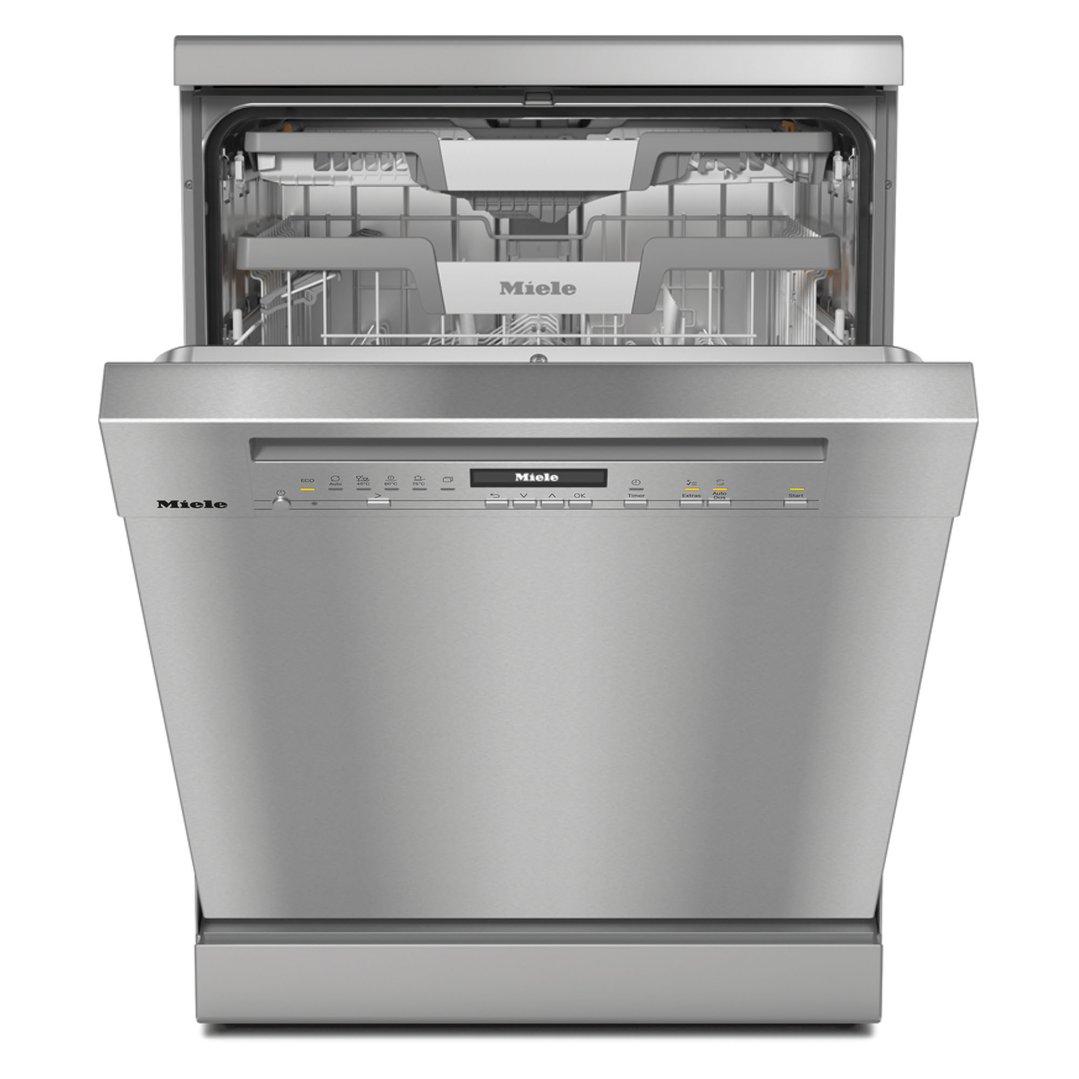
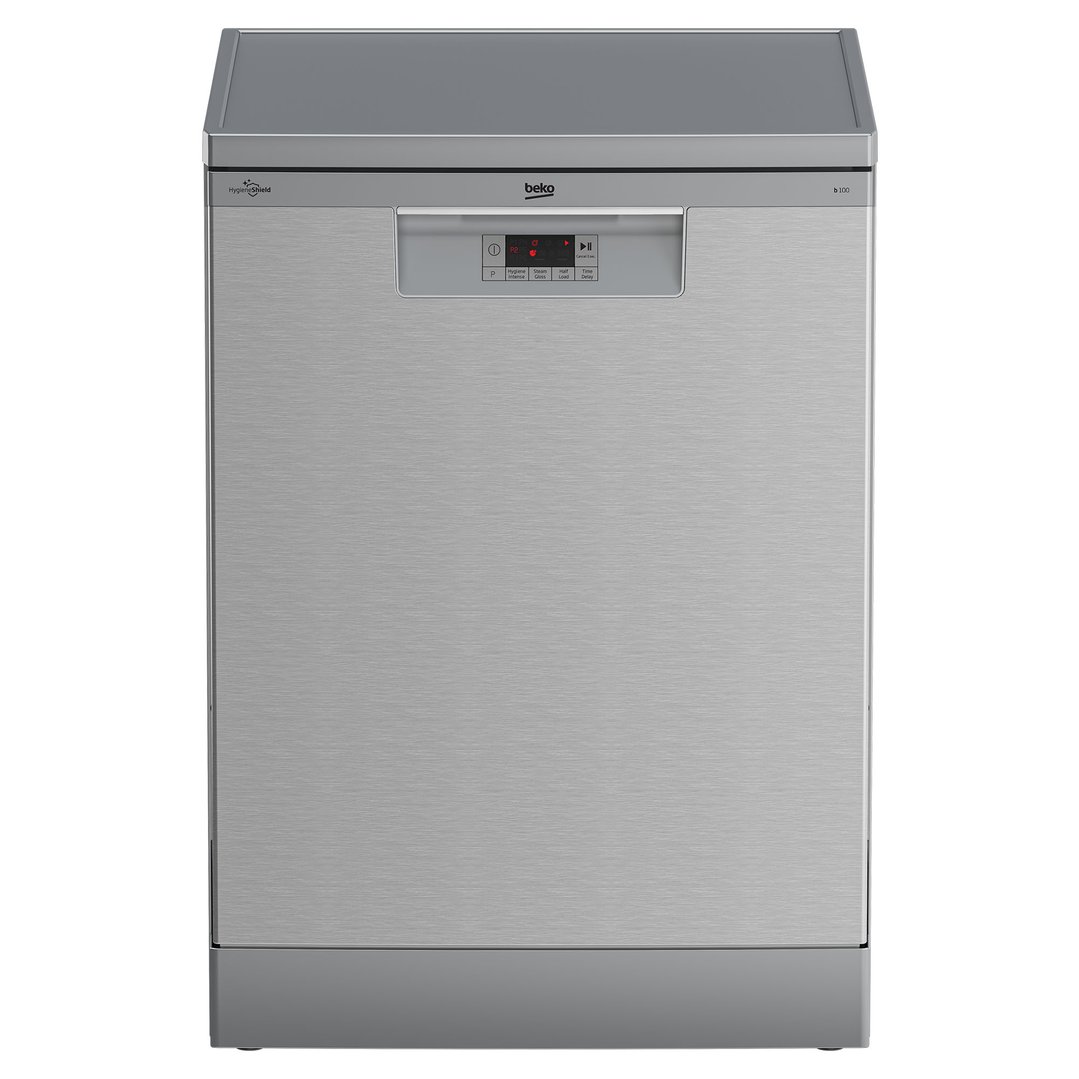
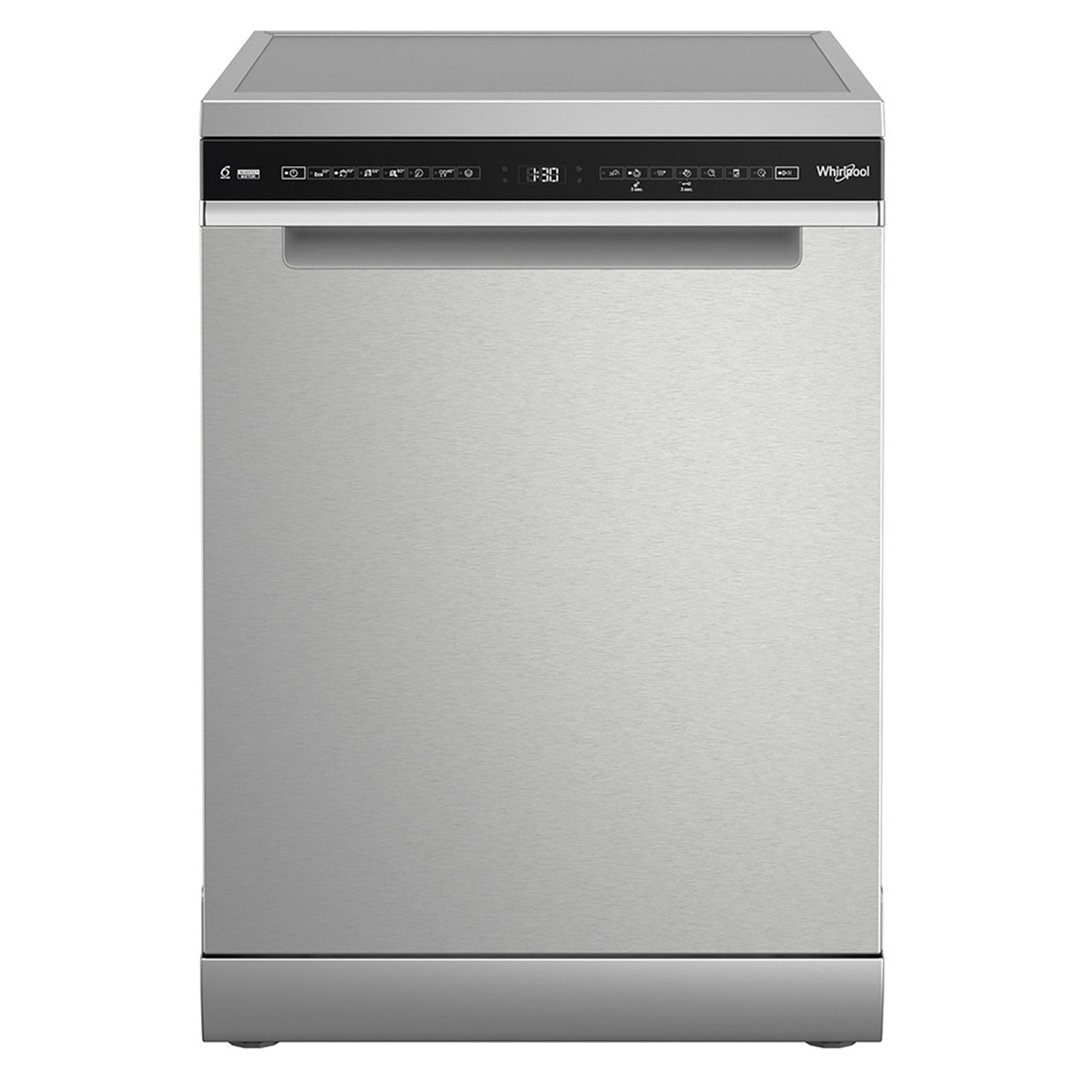
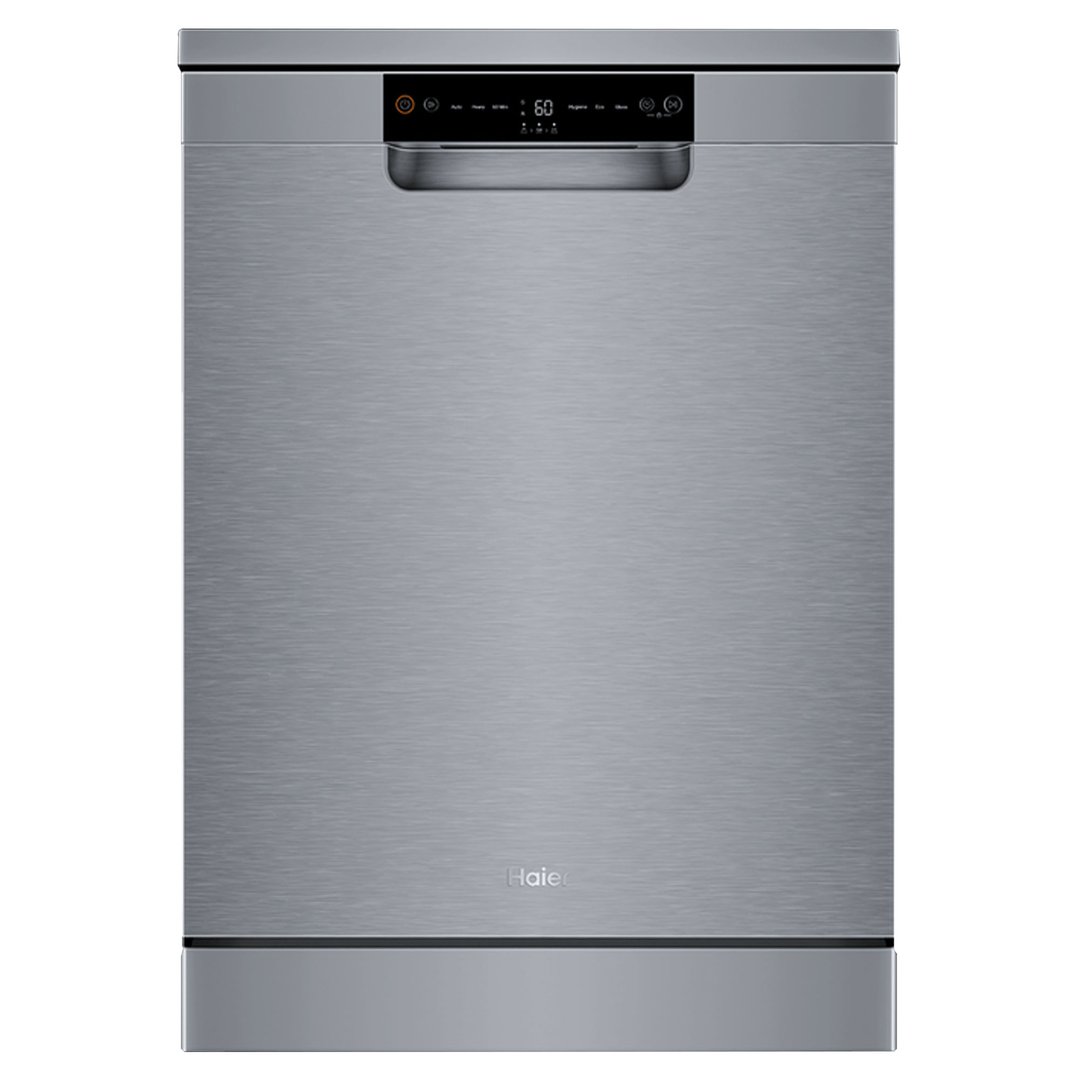
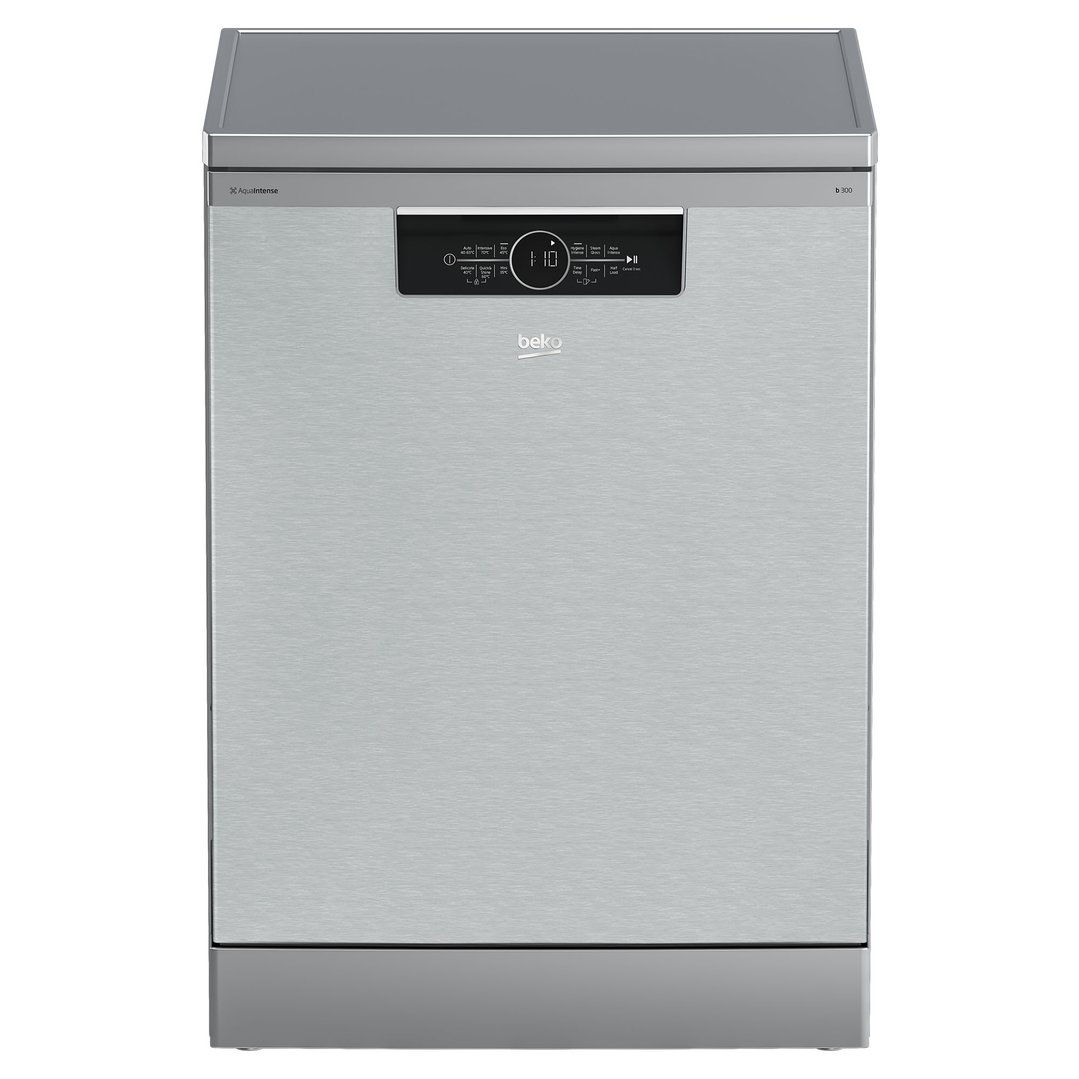
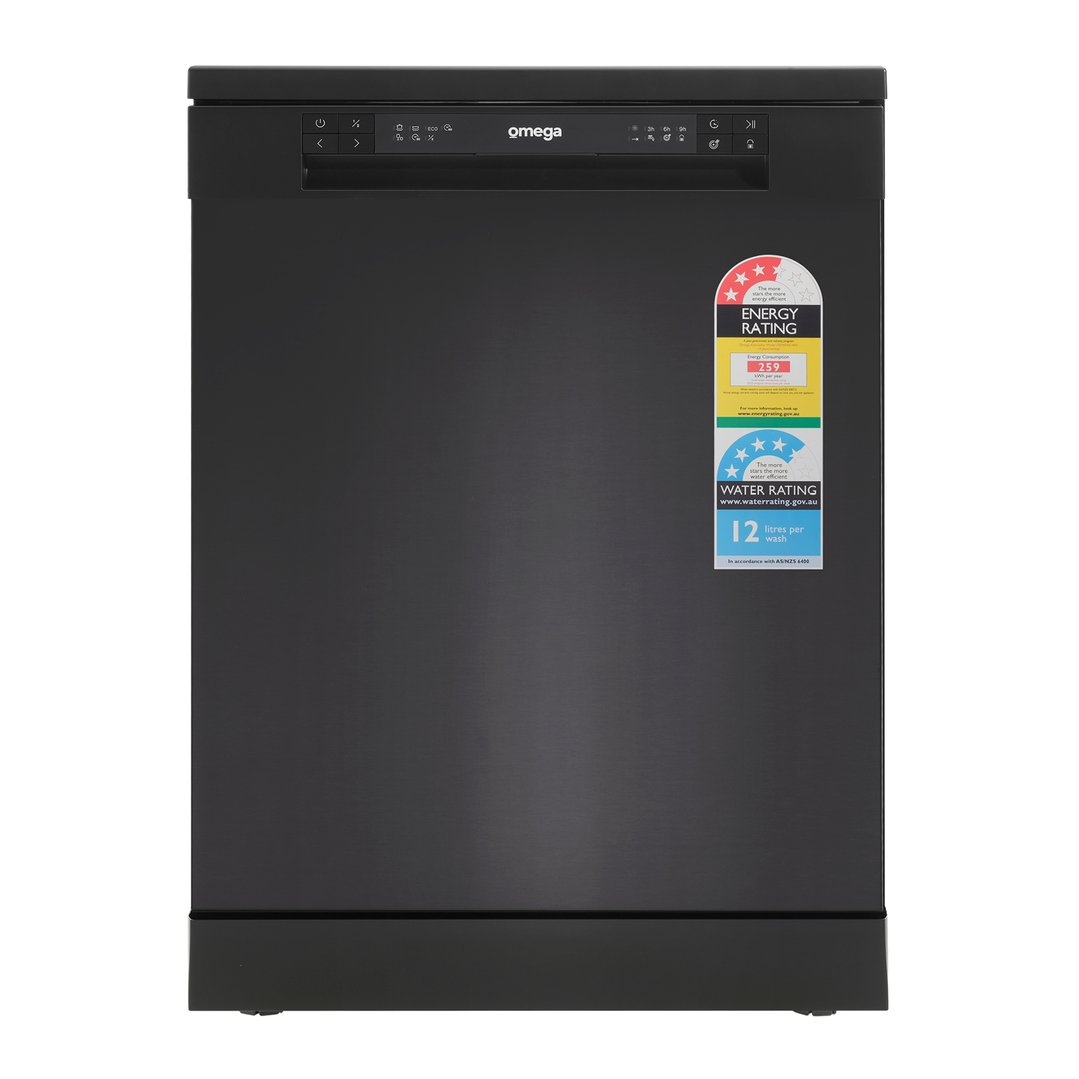
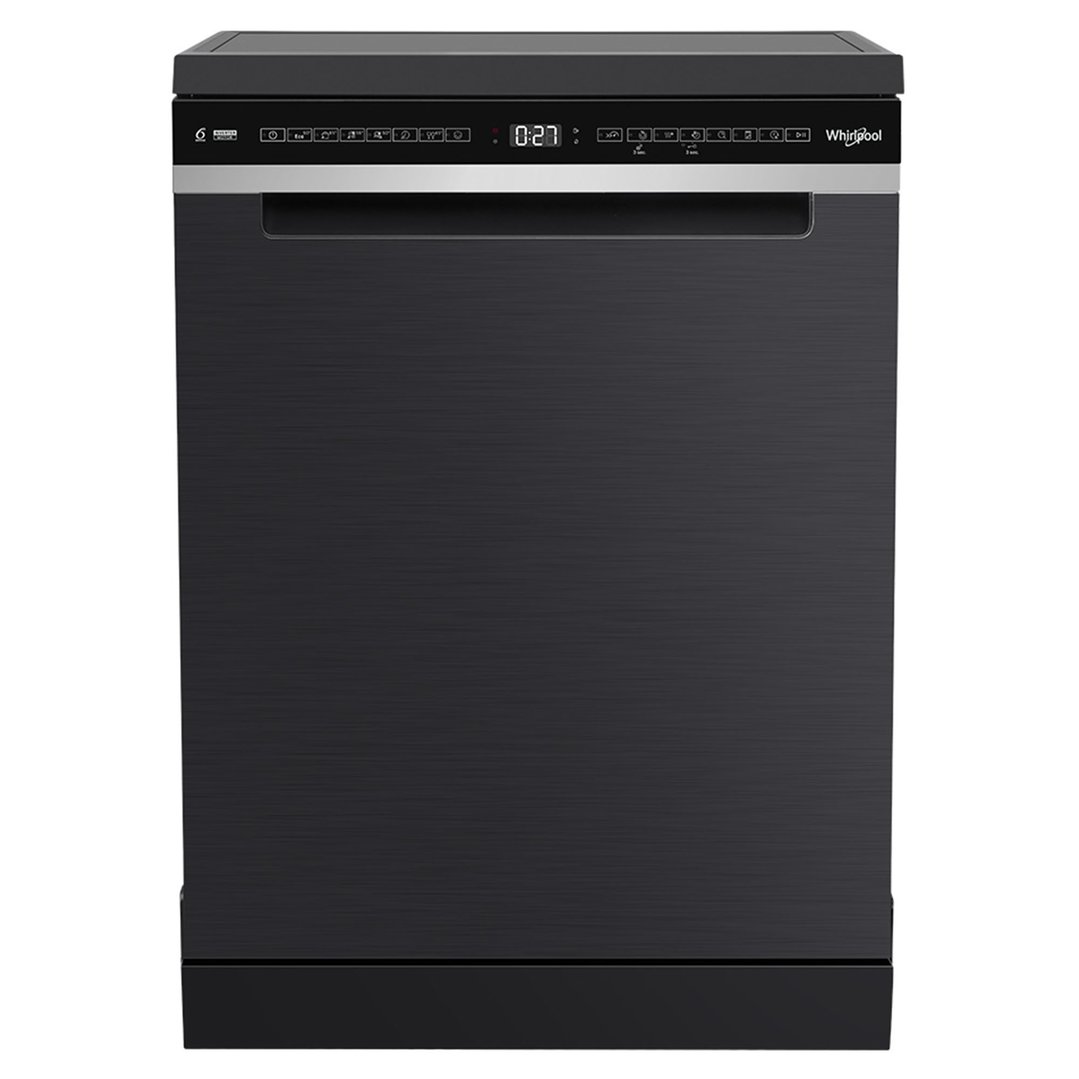
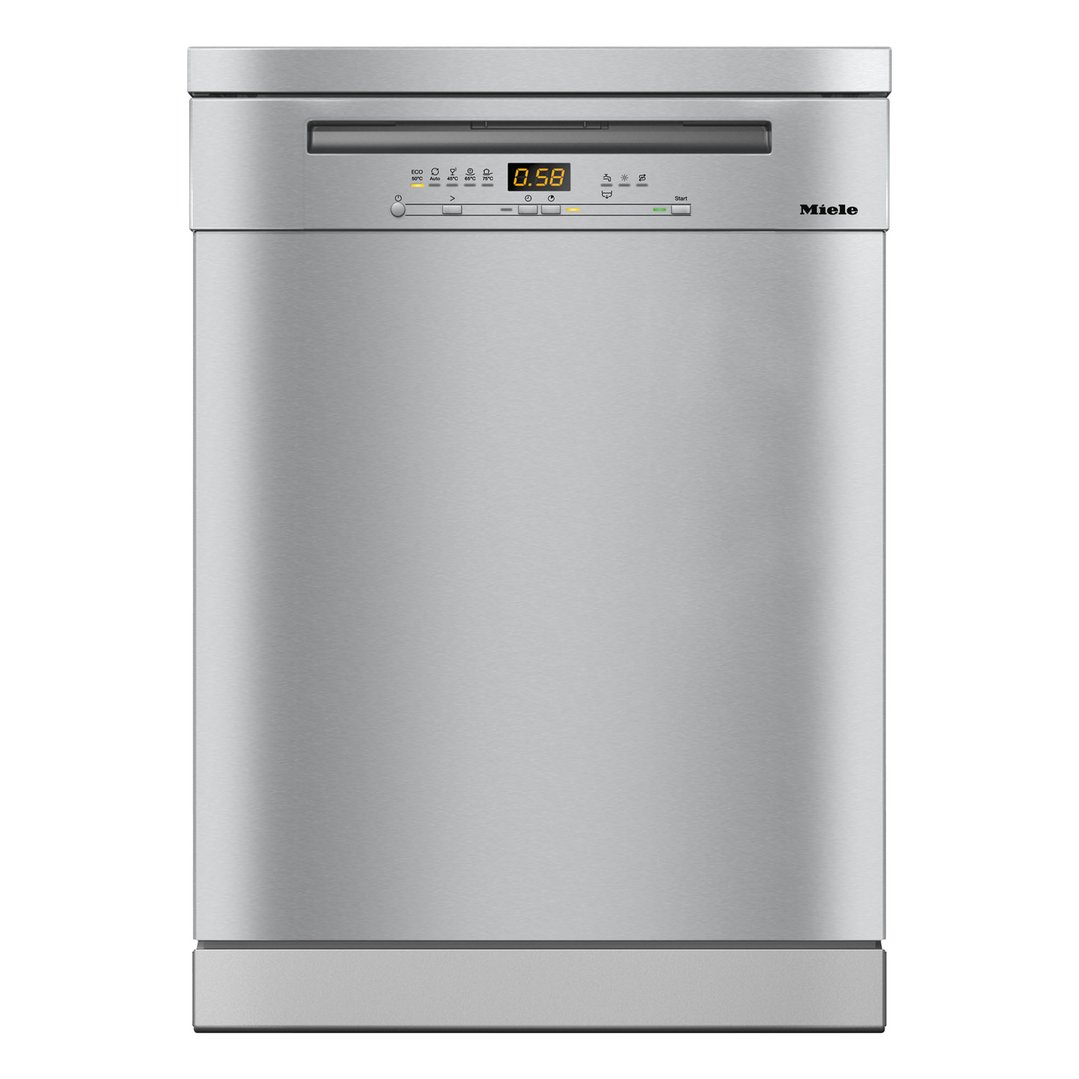
A freestanding dishwasher is the most straightforward option on the market. It stands on its own two legs, connects to your existing plumbing and power, and needs no modifications to your cabinetry. For renters, first-home buyers or anyone who wants a simple install, that flexibility is hard to beat.
What Makes Freestanding Dishwashers Different?
Unlike built-under or integrated models, a freestanding dishwasher has a finished top and sides, so it can sit anywhere in your kitchen with access to water and drainage. Most are 60cm wide, which fits the standard gap left in Australian kitchens, but slimline 45cm freestanding models are also available if you're working with less space. The top can double as counter space, though it does get warm during a cycle so it's worth keeping that in mind.
Installation is the other big draw. A plumber connects the water and drainage, you plug it in, and that's largely it. No cabinetmaker, no custom door panels. If you move house, the machine comes with you.
Features to Compare
Most freestanding dishwashers in the mid-to-upper price range now include the features that matter day to day:
Capacity: Standard 60cm models handle 12 to 15 place settings, enough for families of three to five. Slimline 45cm models suit couples or smaller households.
Noise: Look for a rating of 44dB or lower for open-plan kitchens. Many Bosch and Miele freestanding models reach 38-44dB, which is very quiet for a freestanding appliance.
Wash programs: Most mid-range models include eco, intensive, quick wash and a sensor auto program. A sensor program adjusts water use and temperature to match the load, which is worth having for everyday use.
Drying: AutoOpen drying (the door pops ajar at cycle end) and condensation drying are the most common technologies. Both outperform basic heated-air drying for plastics and Tupperware.
Smart features: Delayed start is standard on most models. Wi-Fi connectivity is available on select models from Bosch and Miele, letting you start or monitor a cycle from your phone.
Brands We Stock
Our freestanding range includes models from Bosch, Miele, Fisher & Paykel, Haier, LG, Westinghouse, Beko, Omega and Smeg. Entry-level models from Haier, Westinghouse and Beko cover the basics at a more accessible price point. Mid-range Bosch models are consistently strong performers for quiet operation and energy efficiency. Miele sits at the premium end and is built for longevity.
If you're comparing types, our Dishwasher Buying Guide covers freestanding against built-under, integrated and dishdrawer options so that you can understand the difference and work out which dishwasher will be the perfect fit for you home. You can also browse built-under dishwashers or dishwasher accessories if you already know what you need.
FAQs
What is a freestanding dishwasher?
A freestanding dishwasher is a standalone unit with finished sides and a top panel, designed to sit anywhere in your kitchen where there is access to plumbing and a power point. It does not need to be built into cabinetry and can be moved if you relocate.
What is the difference between a built-under and freestanding dishwasher?
A freestanding dishwasher has a fully finished exterior and stands independently. A built-under model is designed to be permanently installed beneath a benchtop, with unfinished sides and top that are hidden inside cabinetry. Built-under models give a tidier kitchen look; freestanding ones are simpler to install and easier to take with you if you move.
Are freestanding dishwashers easy to install?
Yes, compared to integrated types. You need a plumber to connect water inlet and drainage, and a power point nearby (a licensed electrician if one doesn't exist). No cabinetry work is required, which keeps costs down. Most installations are done in an hour or two.
What size freestanding dishwasher do I need?
A 60cm freestanding dishwasher fits the standard kitchen opening and handles 12 to 15 place settings, suitable for most families. A 45cm slimline model is worth considering for a couple or single person household, or if you have a smaller kitchen gap to fill. Check our benchtop and slimline range for the most compact options.
Can I put a freestanding dishwasher under a bench?
You can, provided the height aligns with your benchtop. Standard freestanding models are around 85cm tall, but many have adjustable feet to fine-tune the height. If you want a permanent built-in look, a built-under dishwasher is a better fit because it is specifically designed for under-bench installation and sits flush with the cabinetry.
How much does it cost to run a freestanding dishwasher?
A typical cycle uses around 1 to 1.5 kWh of electricity, which works out to roughly 30 to 50 cents at average Australian electricity rates. Water usage is usually 10 to 14 litres per cycle on a standard program, less on eco. Running a full load is generally more efficient than hand washing the same amount of dishes.
Do freestanding dishwashers need a plumber?
Yes. The water inlet and drainage connections need to be done by a licenced plumber. The power connection requires an electrician if you don't have an existing power point in the right location. Once those are in place, a freestanding machine can simply be slid into position.