Cooktops

$5,999 you
pay $4,799Ends in
11 Days$979 you
pay $699Ends in
12 Days$1,099 you
pay $799Ends in
12 Days$1,379 you
pay $1,179Ends in
12 Days$1,699 you
pay $1,388Ends in
26 Days

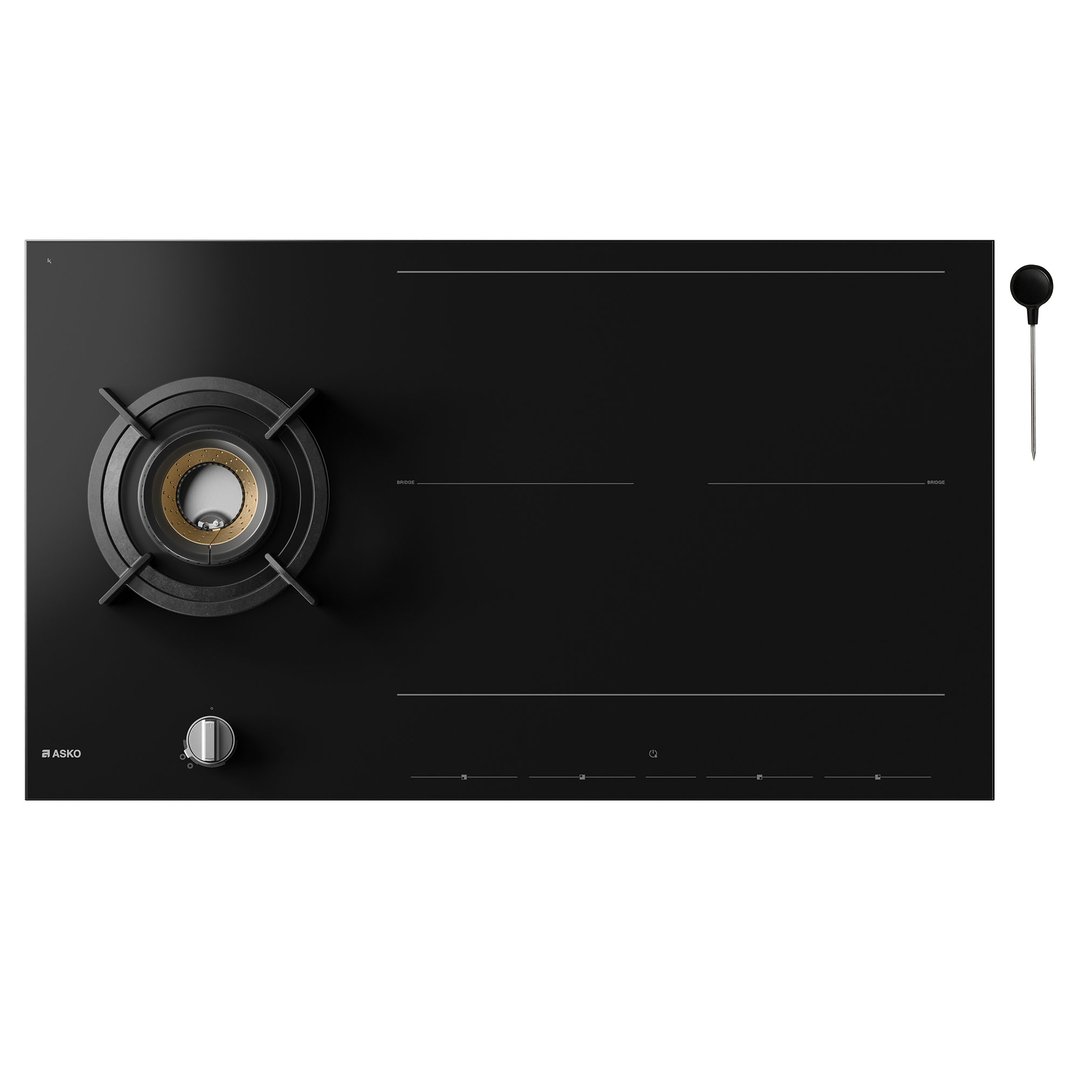
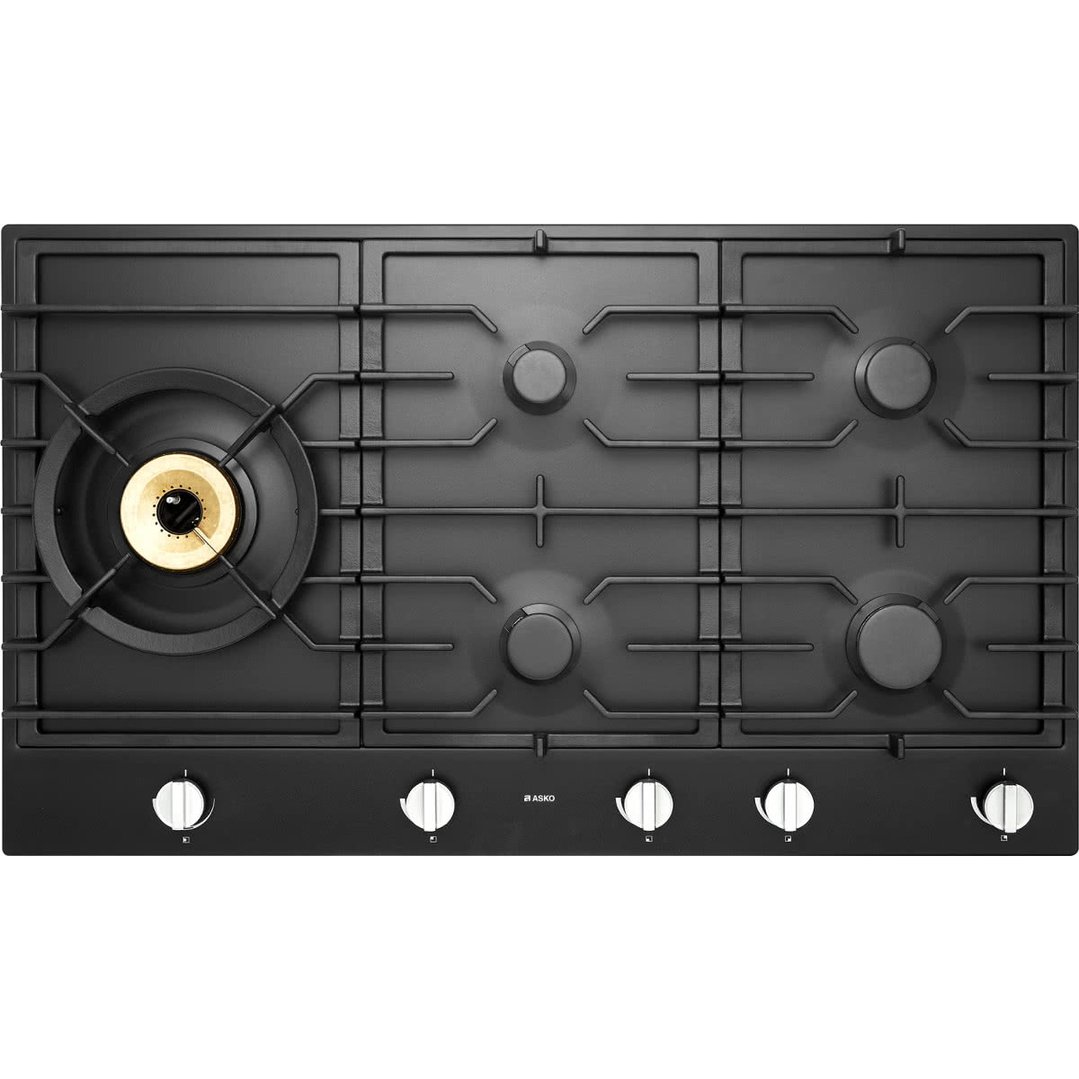

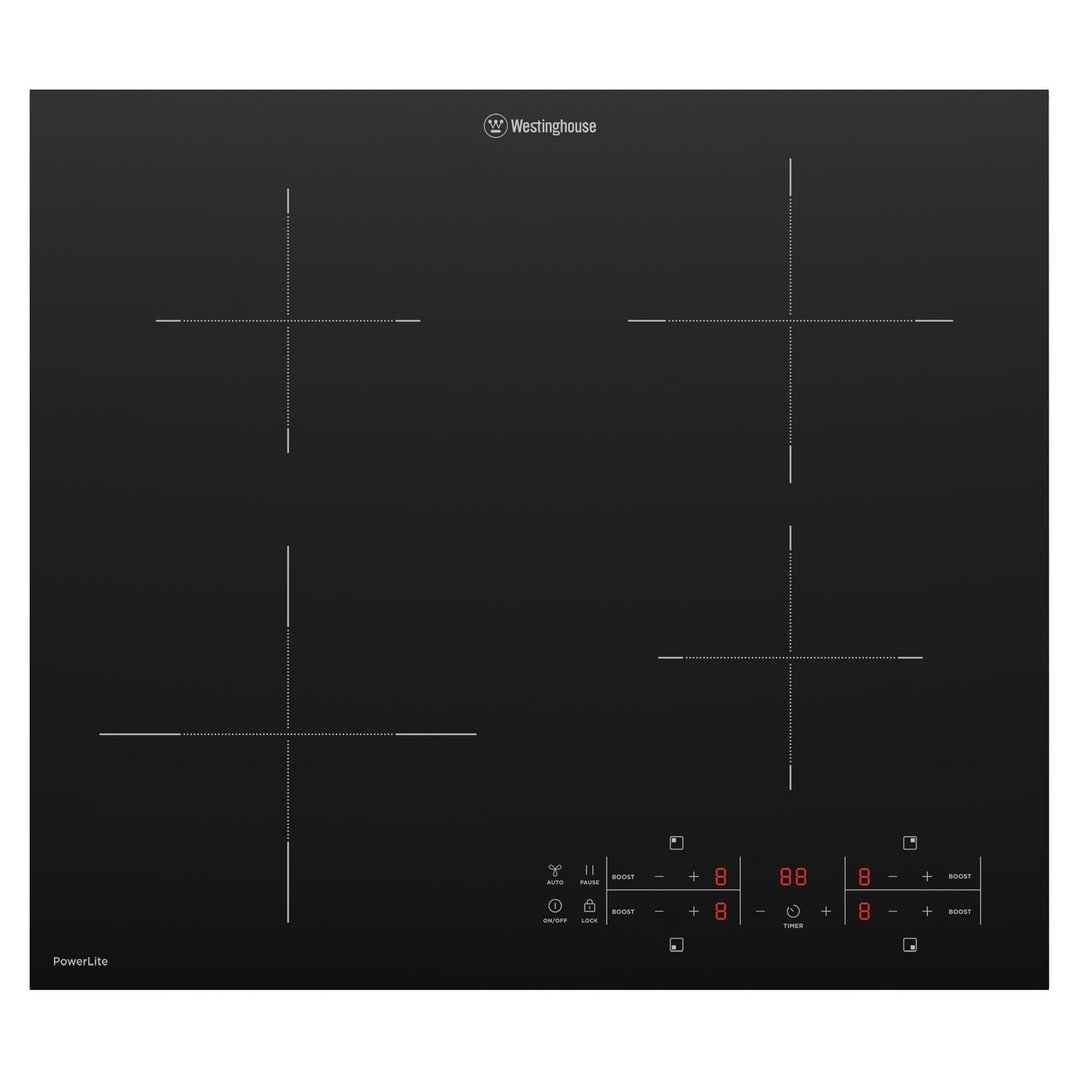
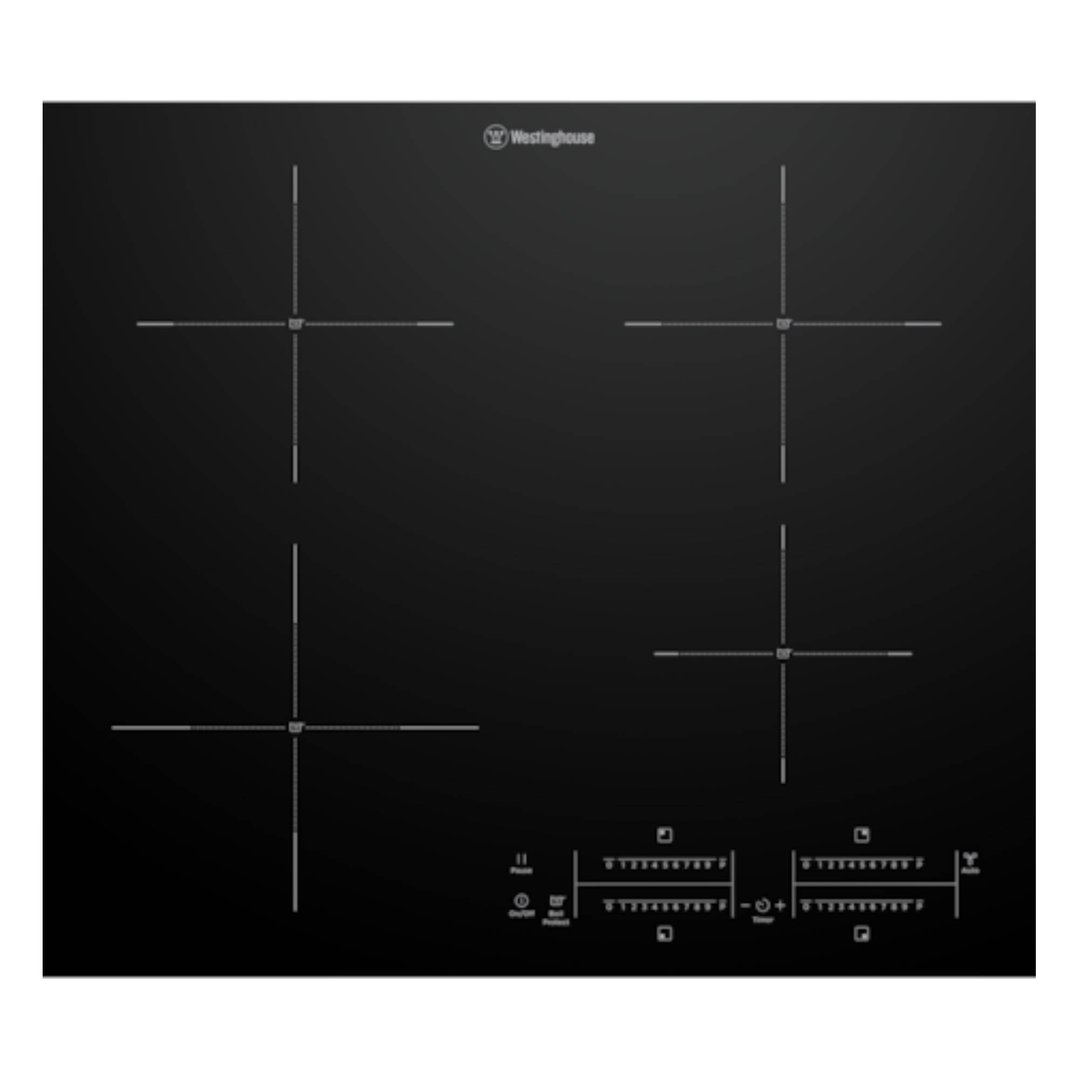
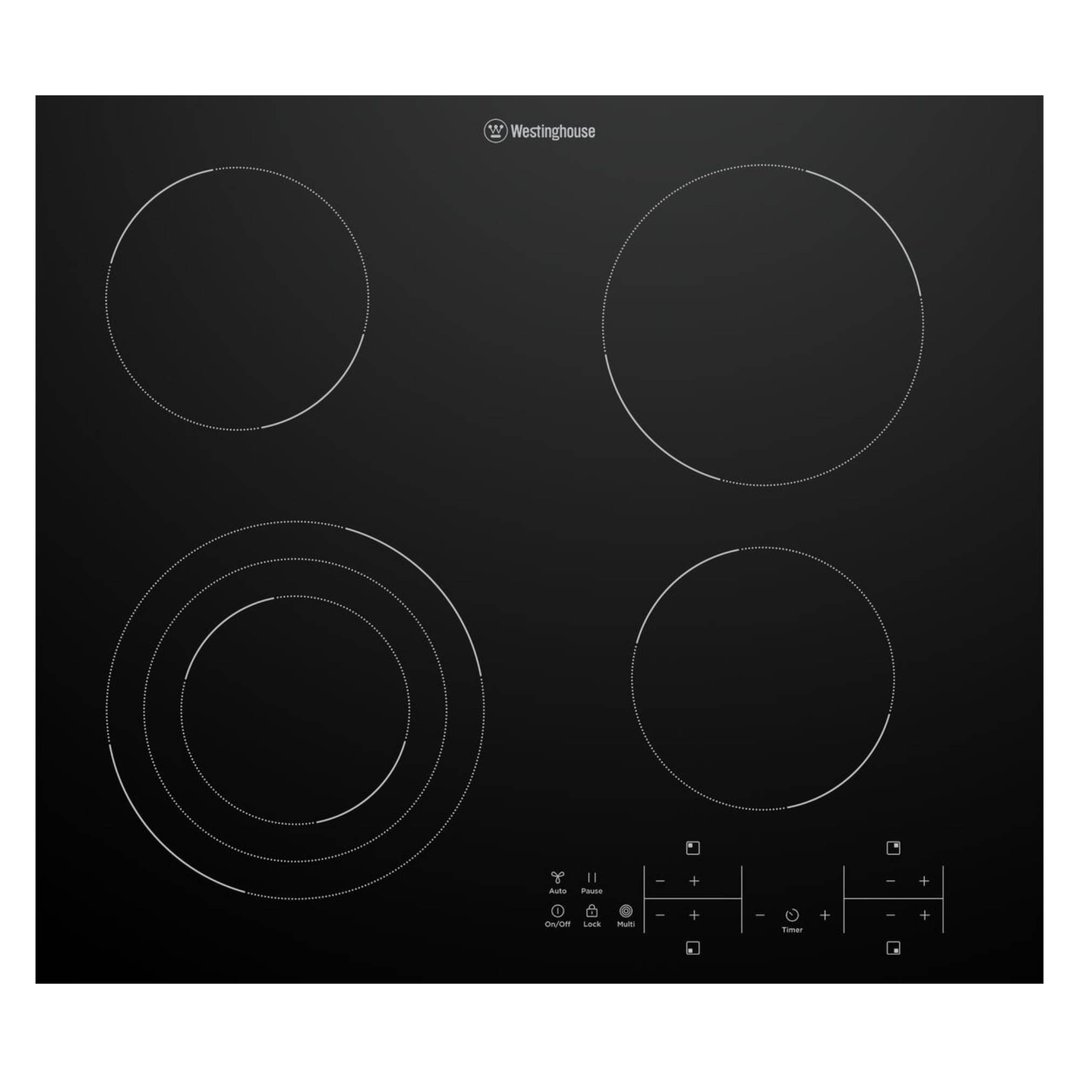

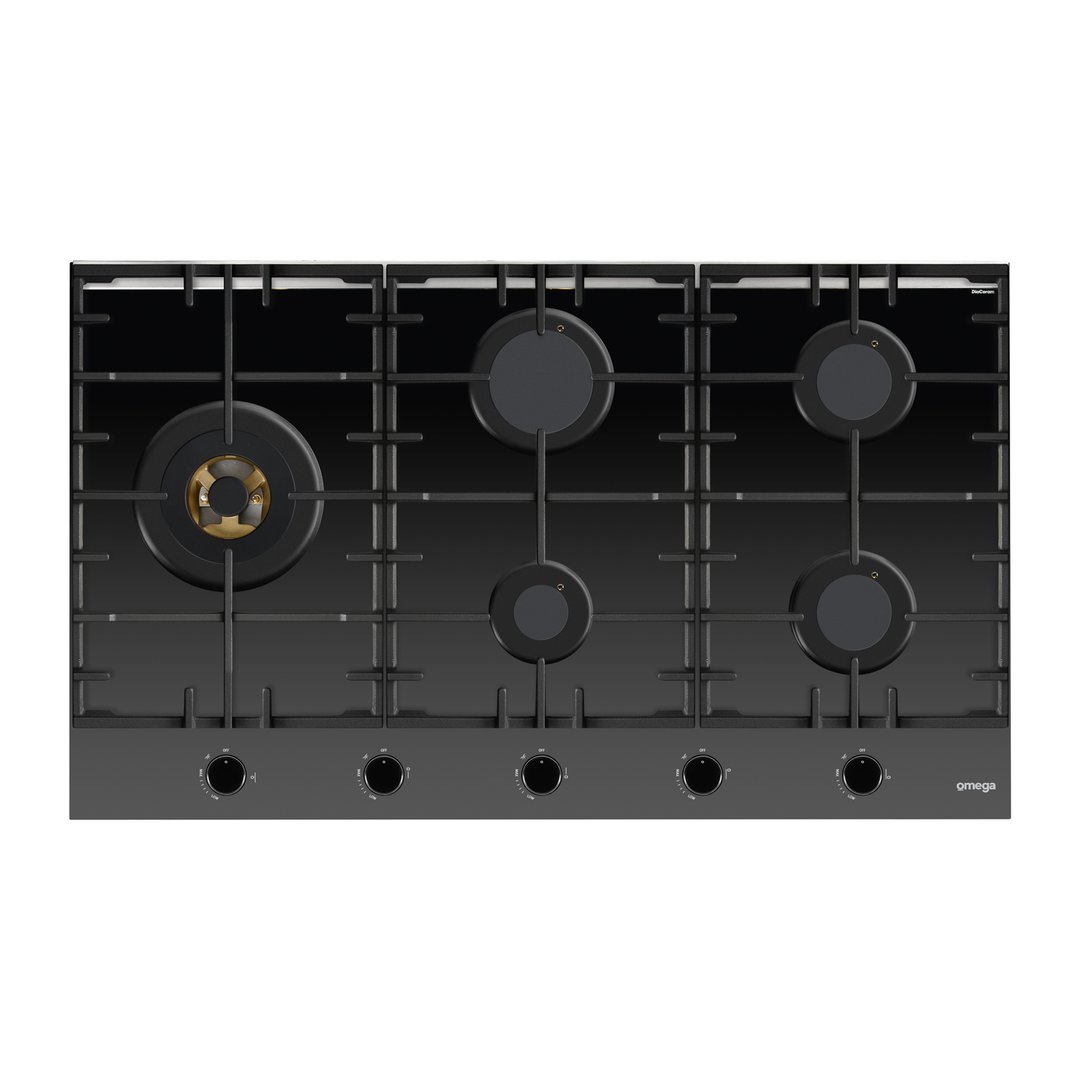

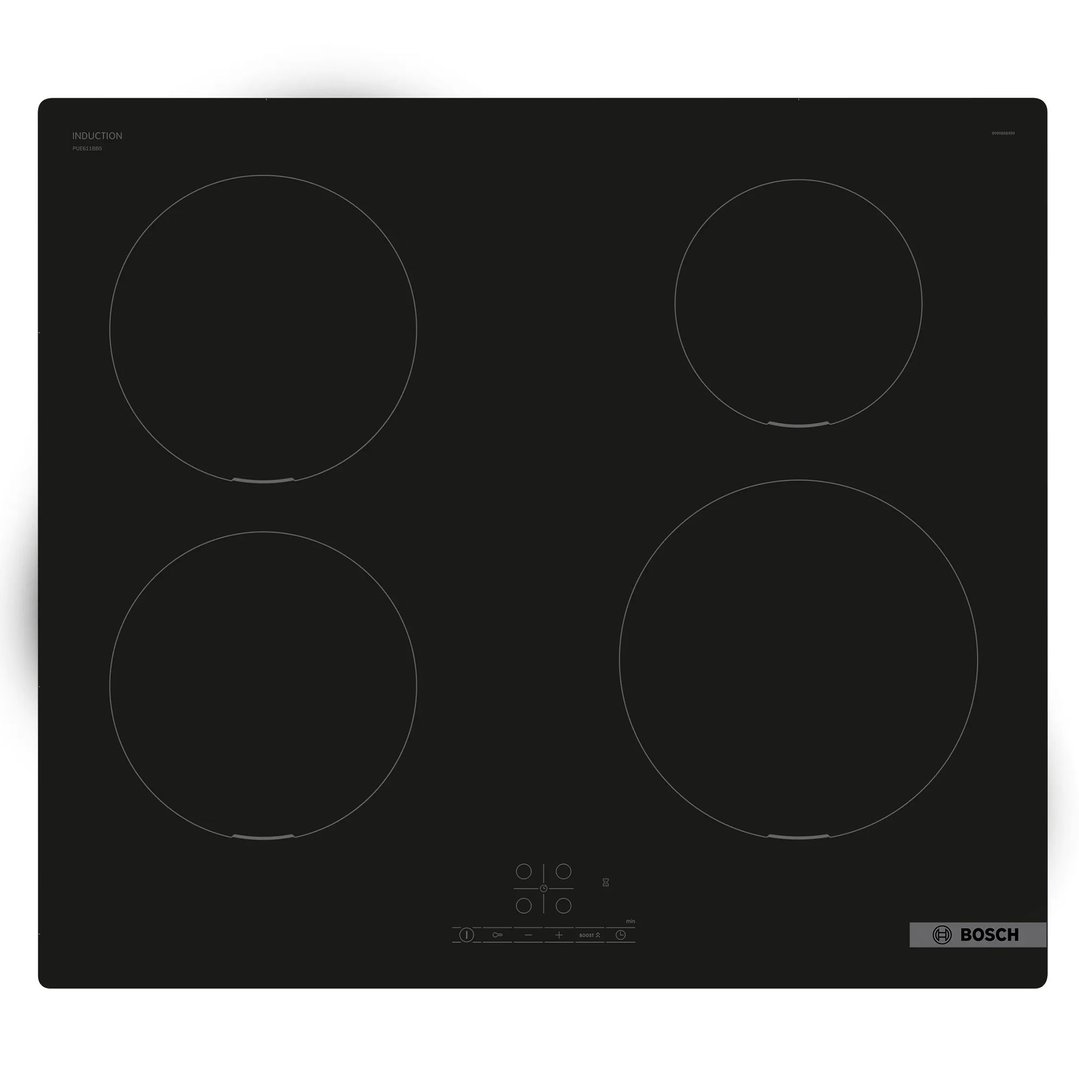

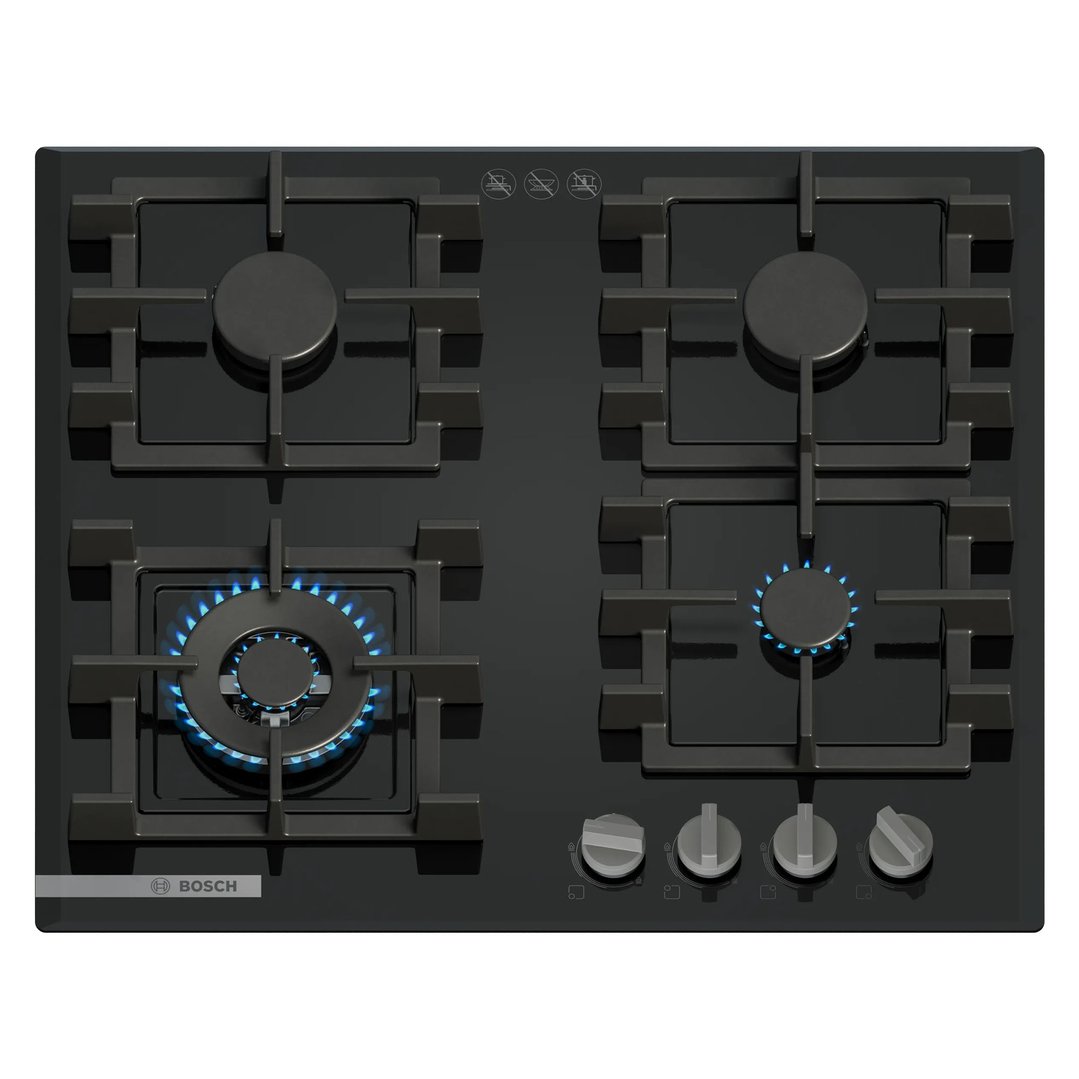
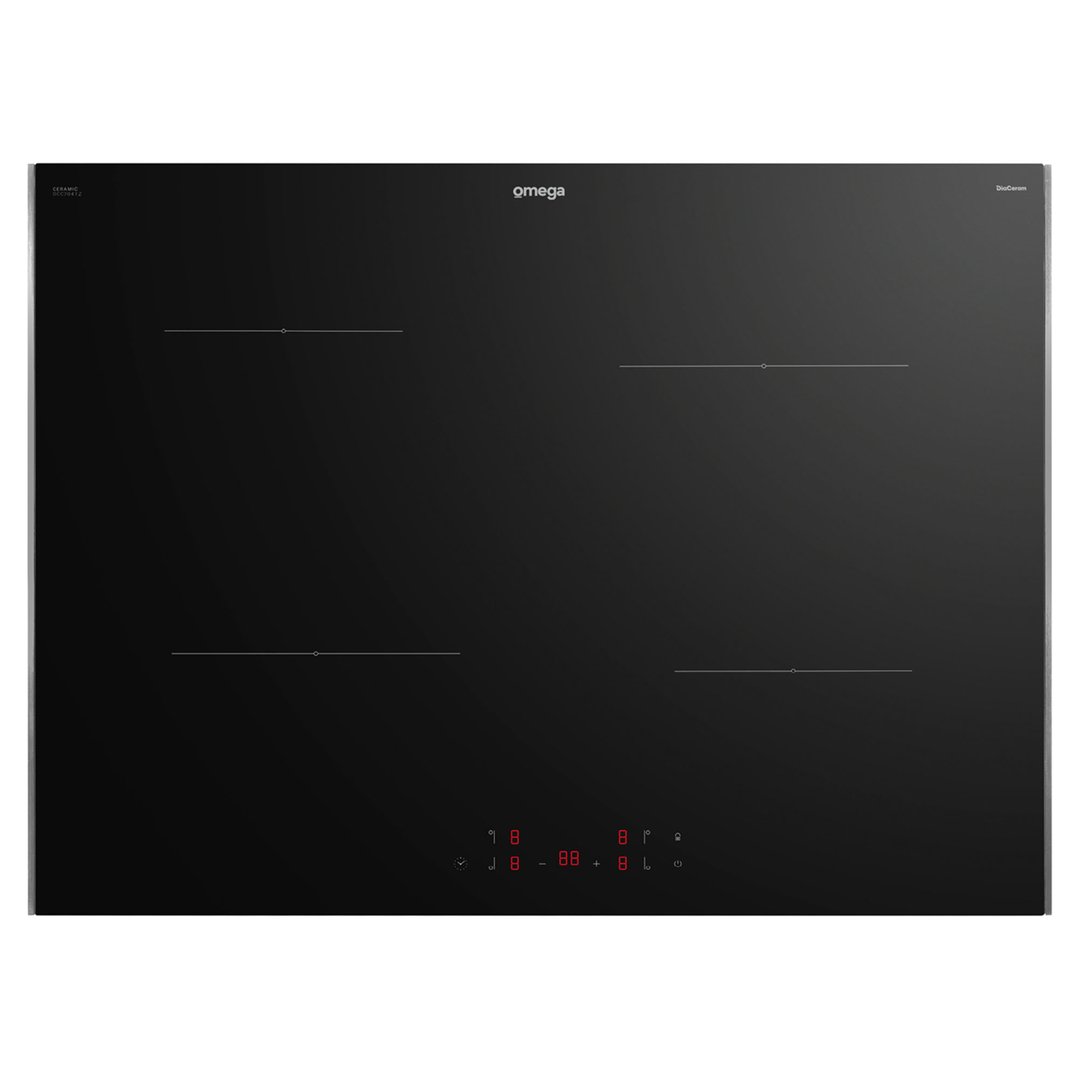
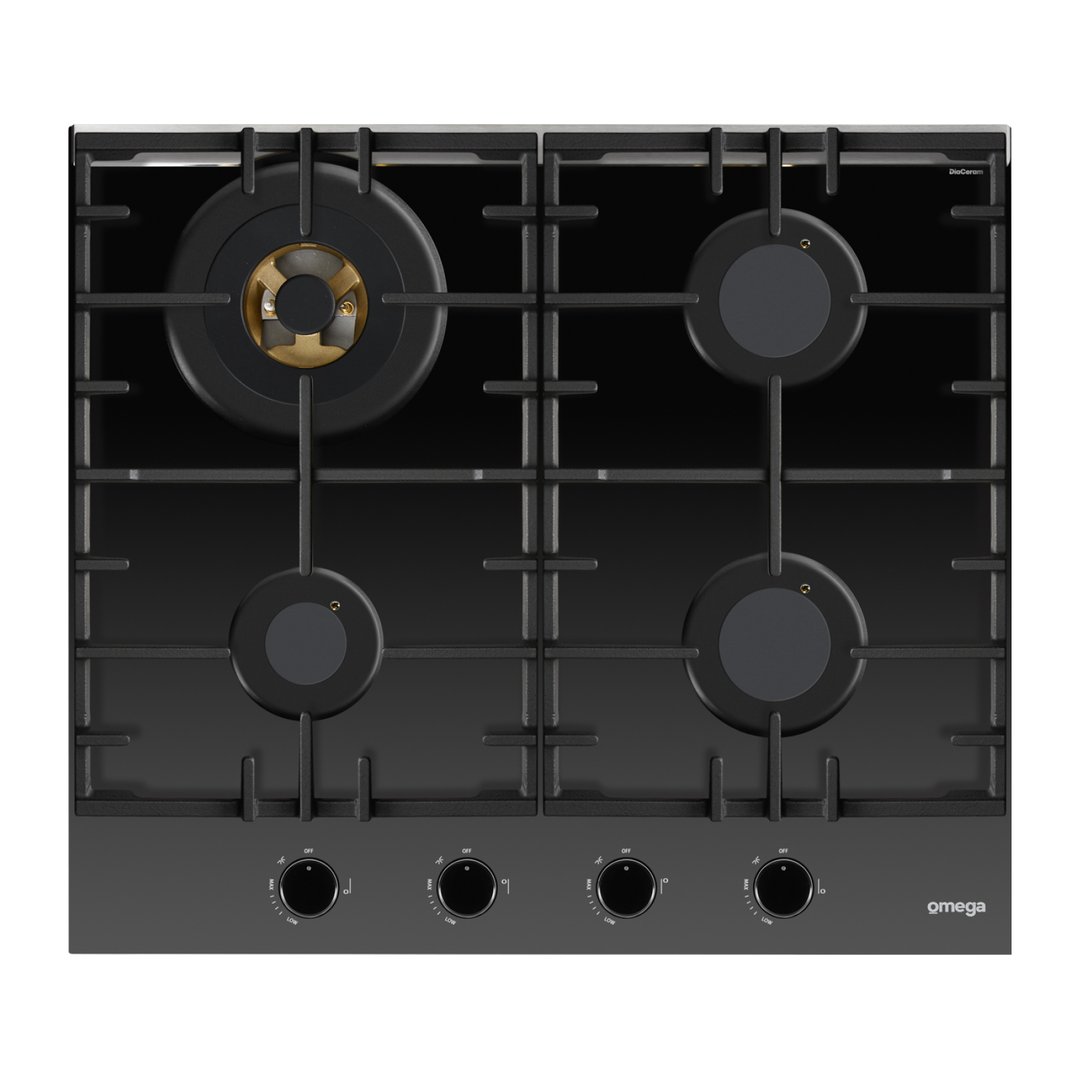
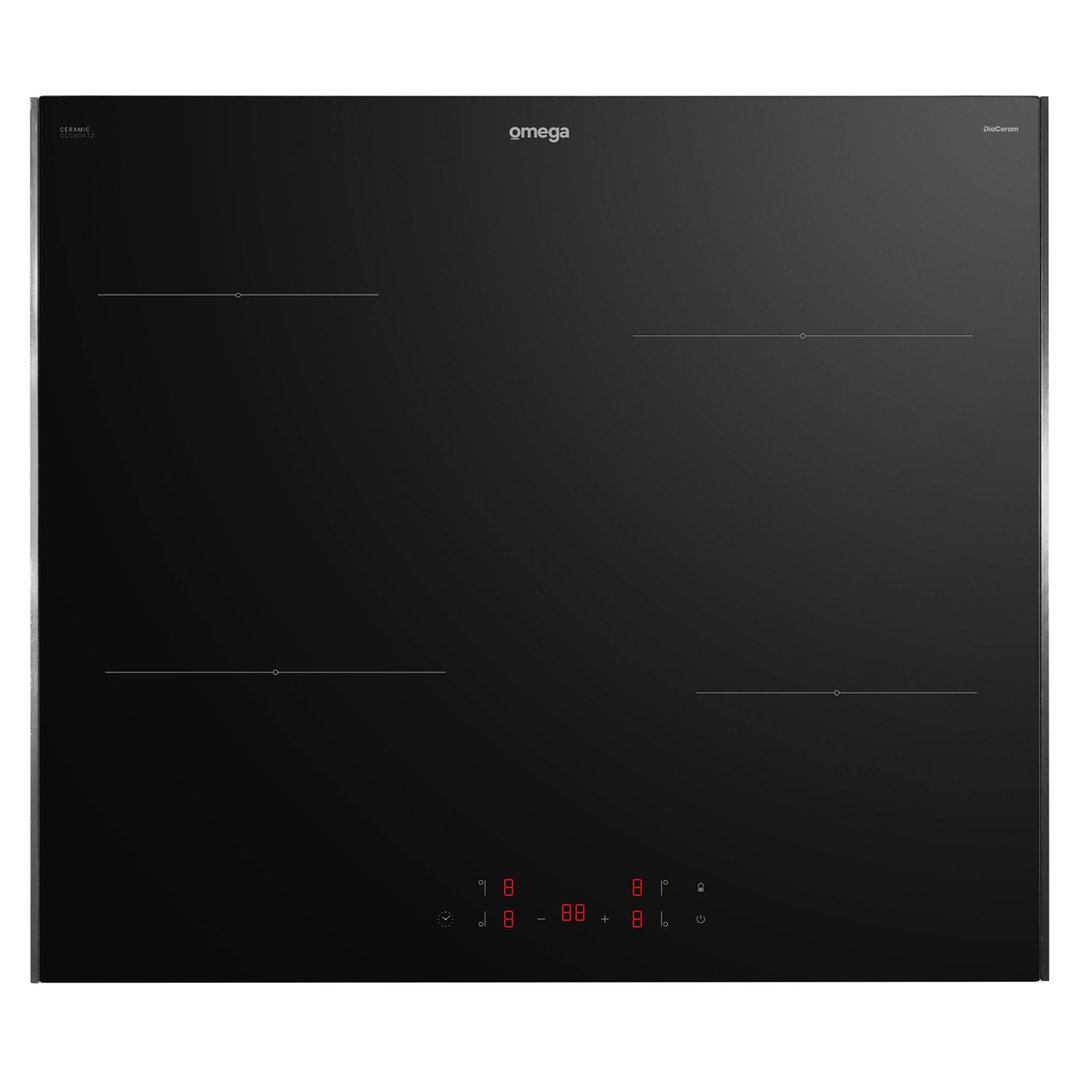
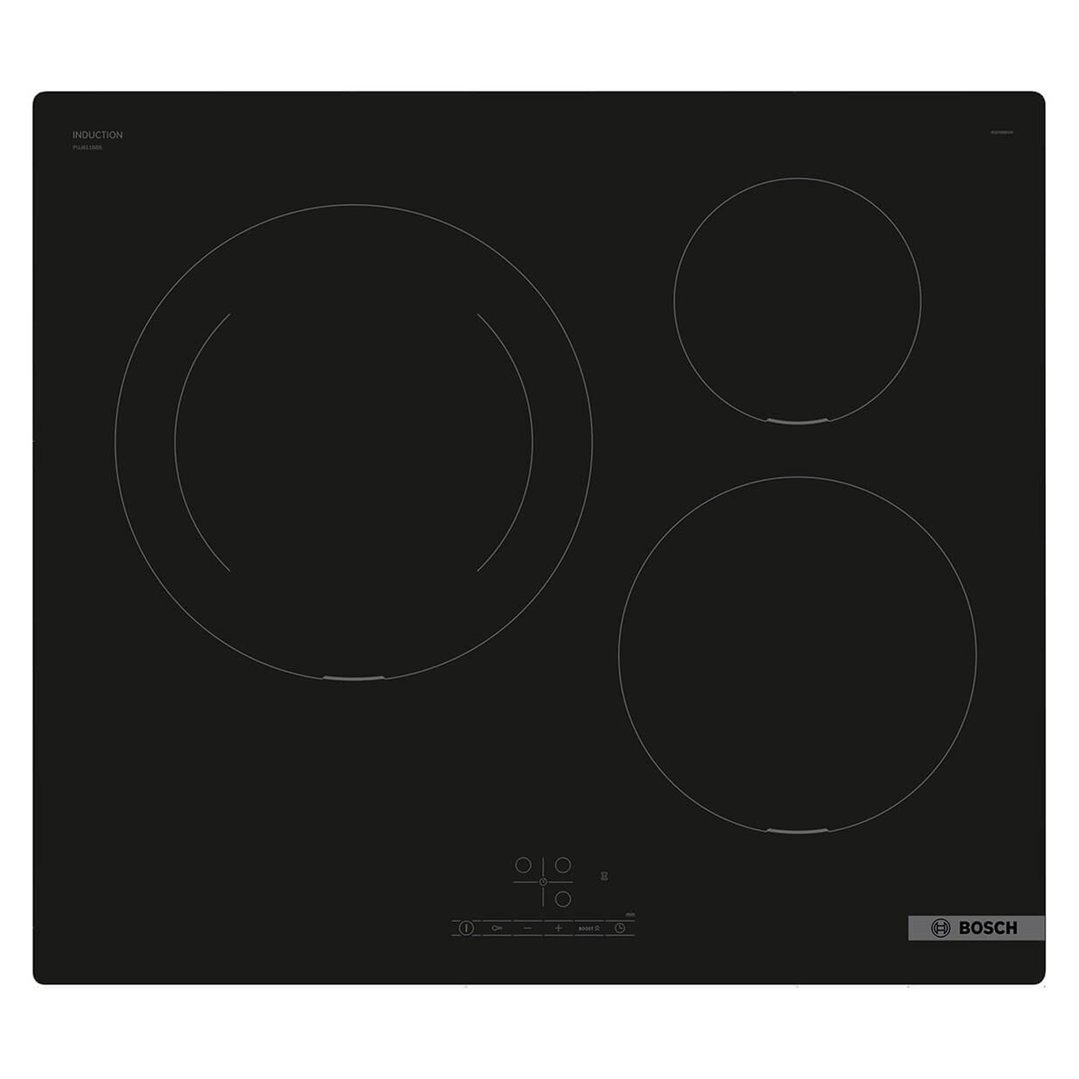

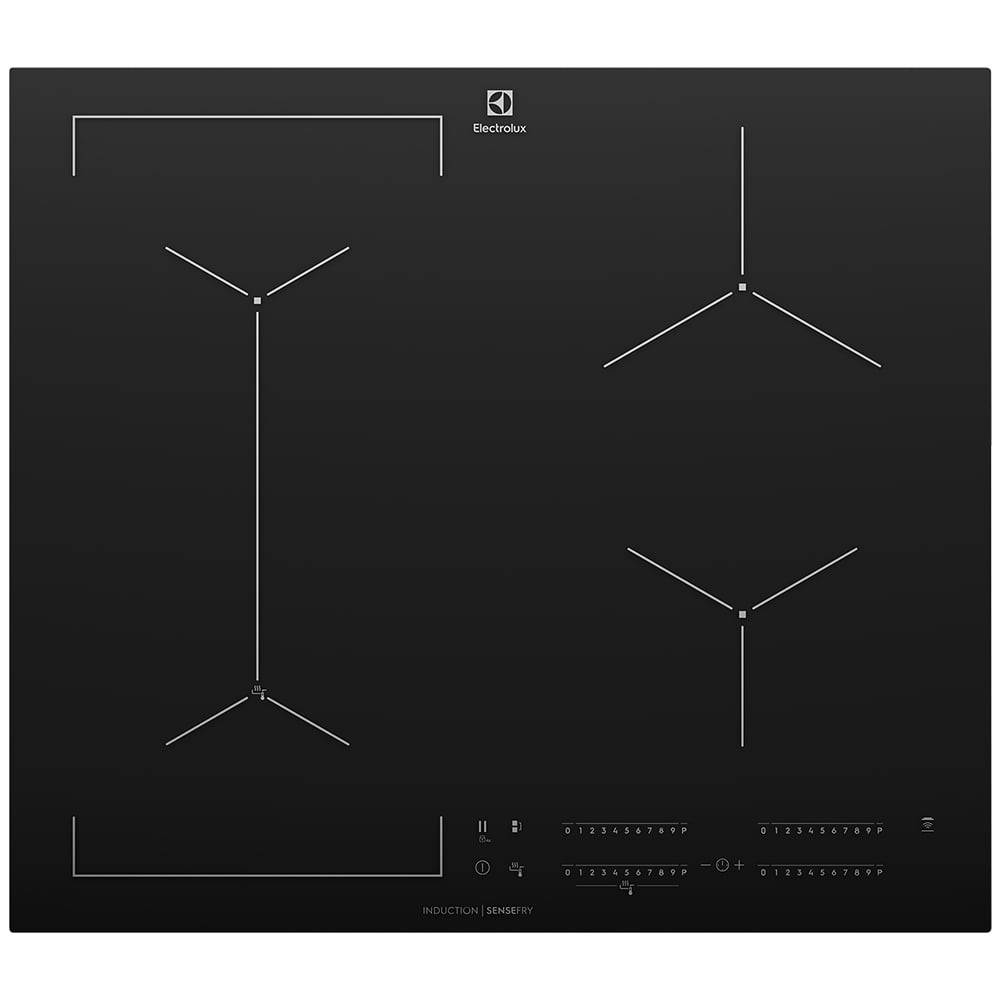
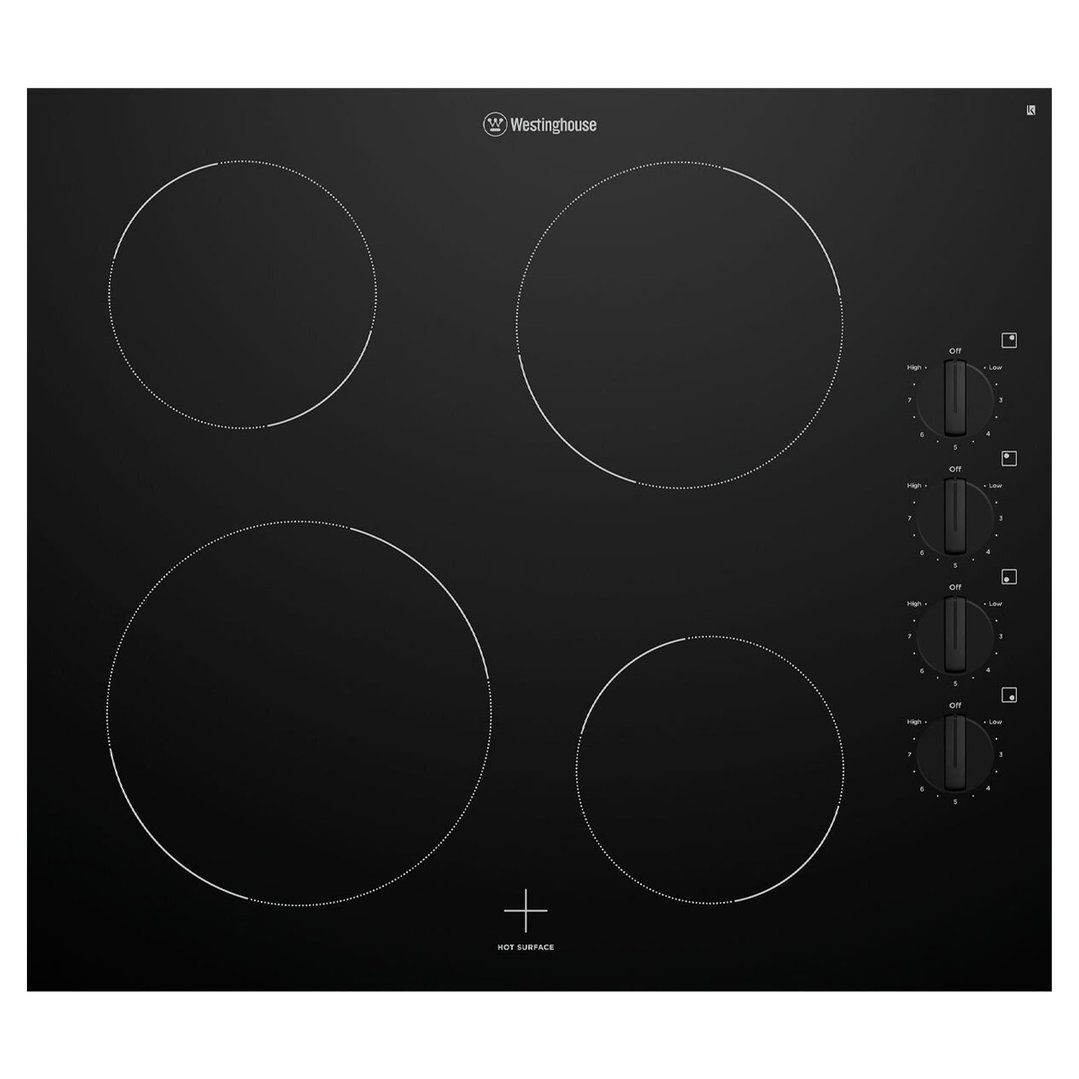


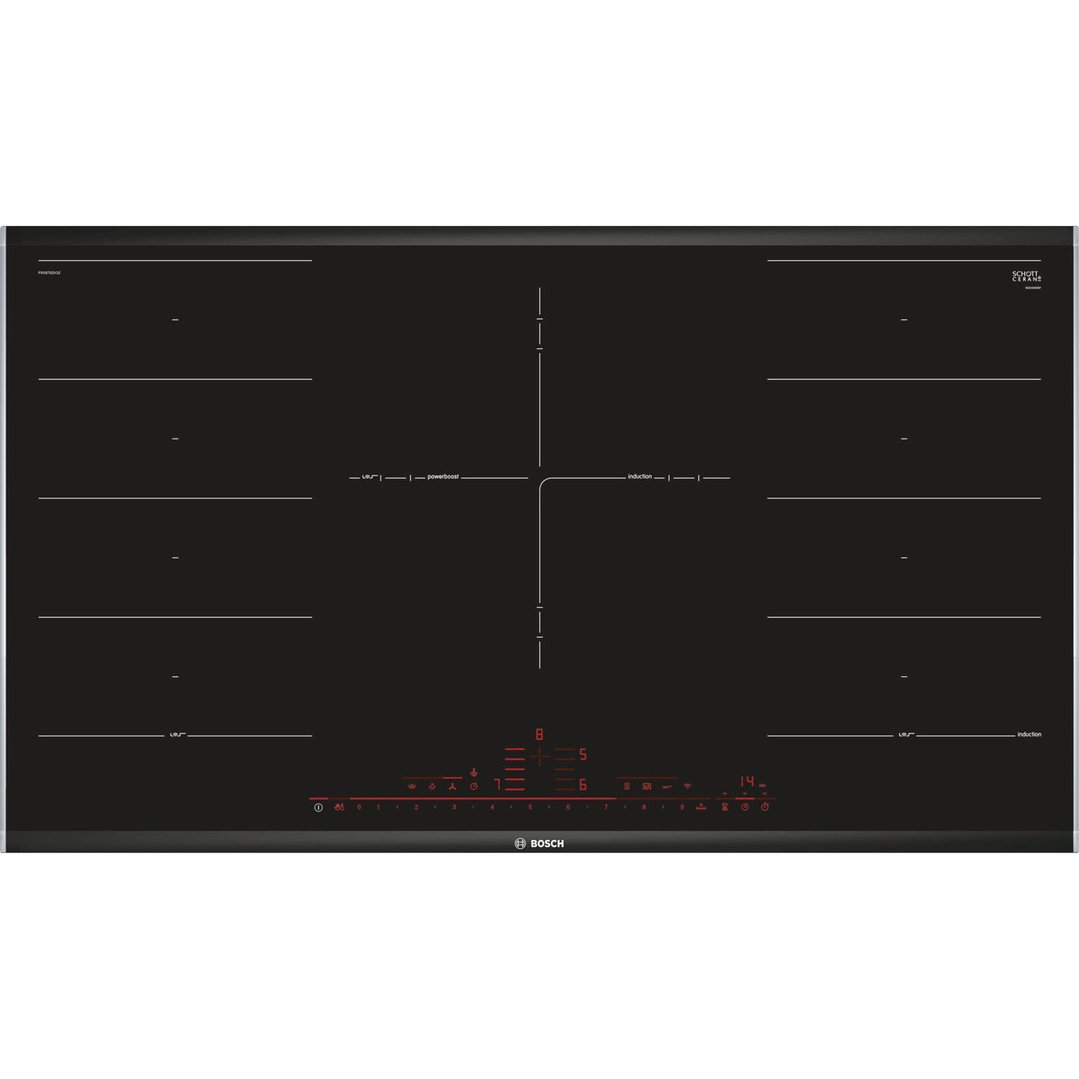
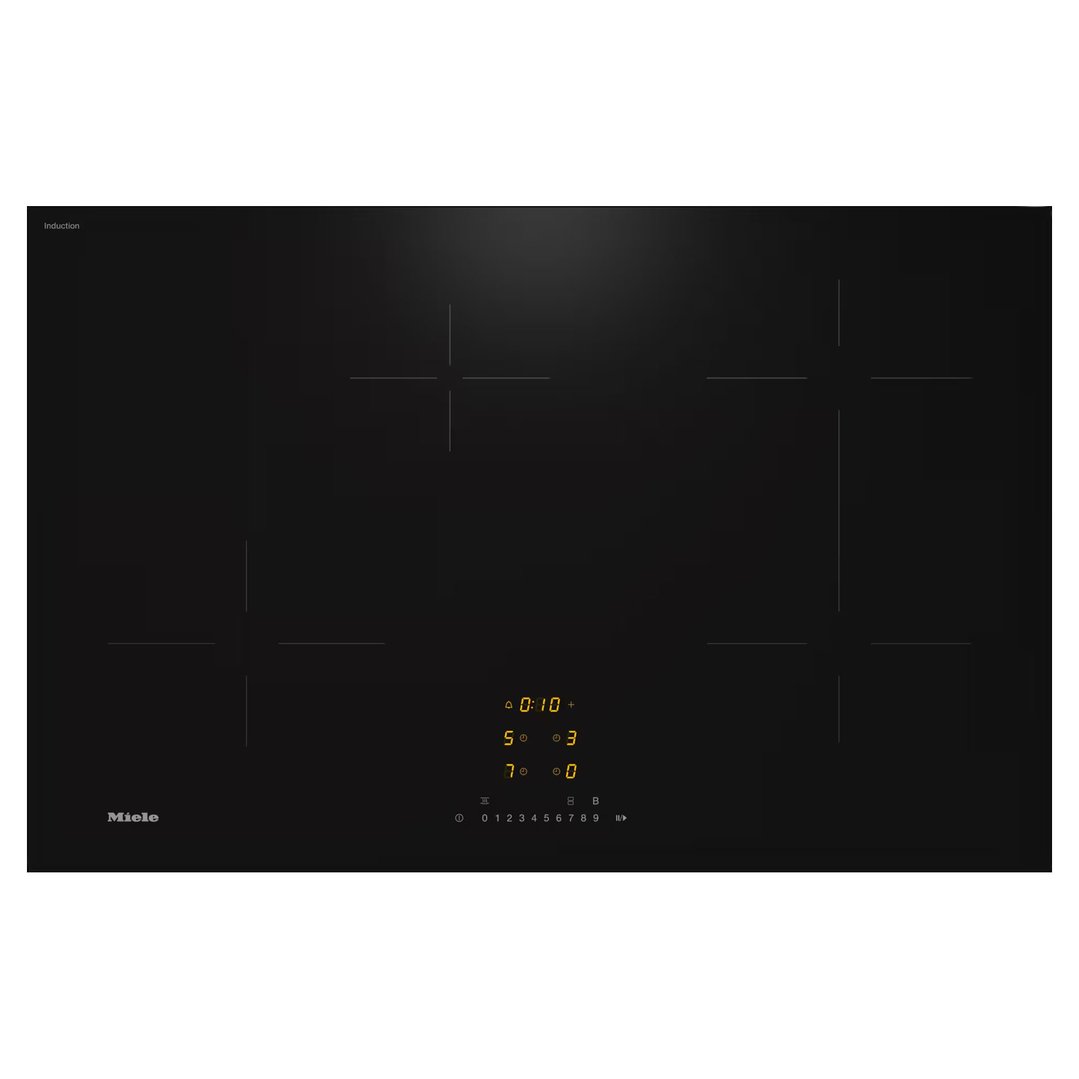
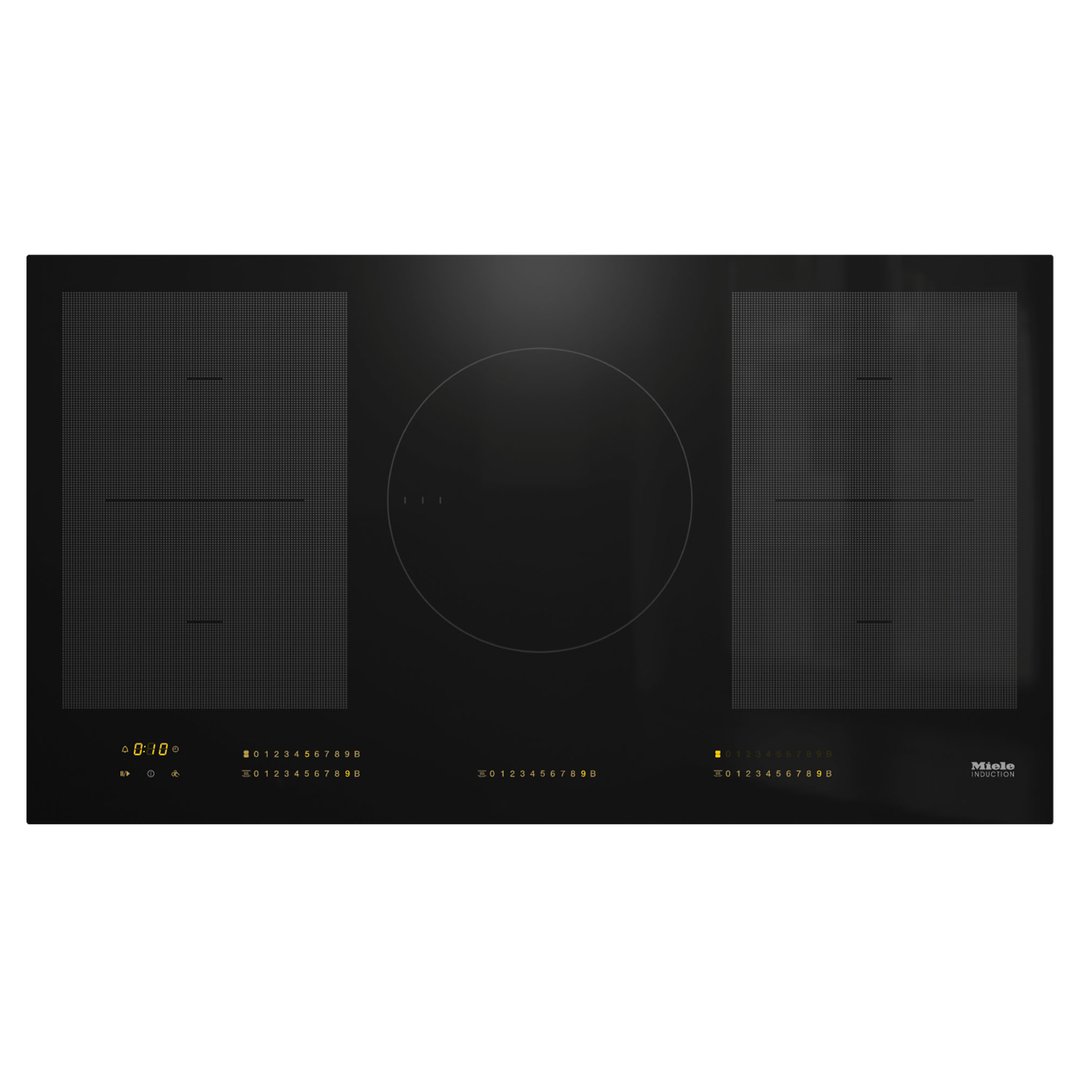

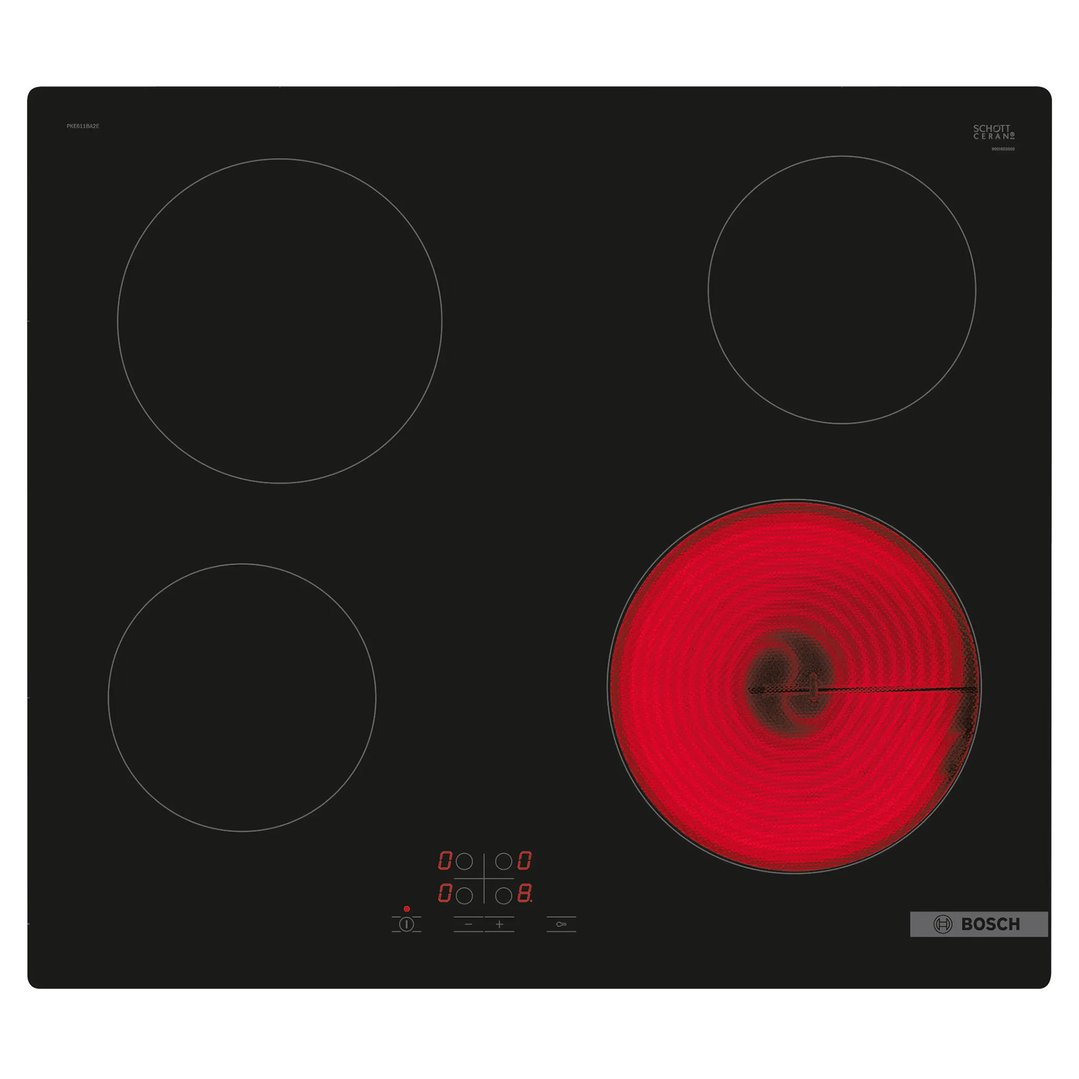
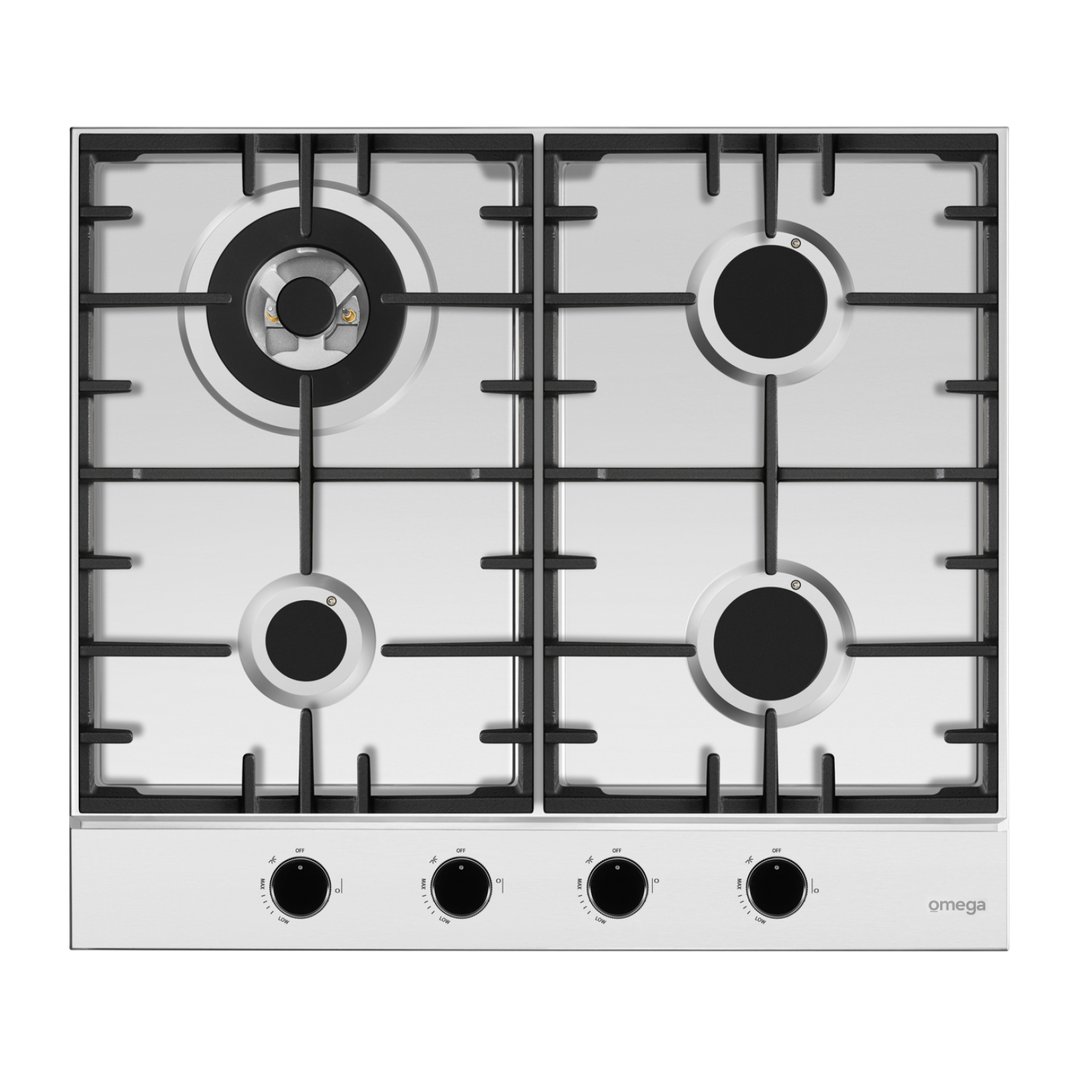

Your cooktop is where every meal begins, so it's worth getting right. Whether you love the hands-on control of cooking over a live flame, prefer the sleek simplicity of a smooth glass surface, or want the fast, energy-efficient performance of induction, there's a cooktop out there that's the perfect fit for how your household cooks. At Bing Lee, we stock cooktops from trusted brands including Bosch, Smeg, Miele, Fisher & Paykel, Westinghouse, ASKO, and more - in gas, electric ceramic, and induction across a range of sizes and styles. Read on for everything you need to know before you buy.
Gas, Electric, or Induction - Which Type Is Right for You?
There are three main cooktop technologies available today, and each has a genuinely different feel to cook on. Here's how they compare.
Gas Cooktops
Gas cooktops are a classic choice for a reason. The open flame gives you instant, visible heat control - turn the knob up and the flame rises immediately, turn it down and it drops. That responsiveness makes gas particularly well-suited to high-heat techniques like stir-frying, searing, and wok cooking. High-output wok burners (typically 3,500-5,000W) deliver the intense heat that serious home cooks rely on. Gas works with any type of cookware - cast iron, stainless steel, copper, non-stick - without restriction, and will keep cooking during a power outage with manual ignition. The trade-off is energy efficiency: gas loses a significant amount of heat to the surrounding air rather than directly into the pot. It also releases small amounts of nitrogen dioxide when burning, so good kitchen ventilation via a rangehood is important, particularly for households with asthma or respiratory sensitivities. Gas cooktops require a natural gas or LPG connection. If your home has mains gas, this is straightforward. If not, many models include LPG conversion kits, though bottled gas does cost more to run over time.
Electric Cooktops
Electric cooktops feature a smooth glass surface with heating elements underneath. They're clean-looking, easy to wipe down, and work with all standard cookware. While they're not quite as instantaneous to adjust as gas or induction, there's a brief warm-up and cool-down period. Electric cooktops are particularly good at holding a steady, consistent low heat, which makes them excellent for tasks like melting chocolate, gentle simmering, or keeping a sauce warm without it catching. Solid hotplate electric cooktops are a more traditional variant and tend to be found in older kitchens or as budget options. They're functional but slower, and not as easy to clean as ceramic glass surfaces. Westinghouse, Bosch, and Smeg all offer strong ceramic cooktop ranges worth considering.
Induction Cooktops
Induction cooktops use electromagnetic fields to heat the cookware directly, rather than heating a surface that then heats the pot. The practical result: the cooking zone itself stays cool to the touch (it only gets warm where the pot is sitting), heat-up is dramatically faster, and temperature adjustments are as immediate and precise as gas. In terms of energy efficiency, induction is the clear leader - transferring roughly 85% of its energy directly into your cookware, compared to around 70% for ceramic electric and significantly less for gas. The main considerations with induction are cost and cookware compatibility. Induction cooktops are typically the most expensive of the three types upfront, and they require cookware with a magnetic base - most stainless steel and cast iron pots work perfectly, but copper, aluminium, and some older non-stick pans won't. A simple magnet test on the base of your existing cookware will tell you if it's compatible. For families with young children, induction's cool surface is a meaningful safety advantage. For households focused on energy efficiency and fast, precise cooking, it's hard to beat.
Gas vs Ceramic vs Induction at a Glance
Here's a quick summary to help you compare the three types side by side:
> Heat-up speed - Induction fastest, gas close behind, ceramic slowest
> Temperature control - Gas and induction both instant and precise; ceramic slower to respond
> Energy efficiency - Induction ~85%, ceramic ~70%, gas lower due to ambient heat loss
> Cookware compatibility - Gas and ceramic work with all cookware; induction requires magnetic-base pots and pans
> Safety - Induction safest (cool surface); gas and ceramic surfaces get very hot during use
> Cleaning - Ceramic and induction glass surfaces easiest; gas trivets and burner caps require more effort
> Upfront cost - Gas and ceramic generally more affordable; induction typically higher purchase price
> Running costs - Induction most efficient long-term; gas competitive where mains gas is available; LPG more expensive to run
What Size Cooktop Do You Need?
Cooktops are measured by external width. The most common sizes available in Australia are:
> 60cm - the most popular choice for Australian households, typically offering 4-5 cooking zones and fitting standard cabinetry cutouts
> 70cm - a useful middle-ground option with 5 zones and a little more space between burners, reducing the crowding that can happen when multiple large pots are on the go
> 80cm - suits larger households or enthusiastic home cooks, with 5-6 zones and more room to manoeuvre
> 90cm - maximum capacity for a home kitchen, with 6 zones and a professional-style cooking space; pairs well with a 90cm oven or freestanding range
Most cooktops are approximately 50-52cm deep to align with standard Australian bench depths. Before purchasing, measure your existing cutout or bench opening carefully. Cutout dimensions vary by model and must be precise. Templates are usually included in the box. As a general guide, a 60cm cooktop is sufficient for most families. If you regularly cook large meals for a crowd or want dedicated space for a wok burner alongside multiple other zones, a 70-90cm model gives you that flexibility.
Key Features to Look For
Beyond fuel type and size, here are the features most worth paying attention to when comparing cooktop models.
Zone Size and Power Output
Cooking zones come in different sizes with different wattage ratings. A good cooktop will offer a mix so you can match the zone to the pot:
> Small zones (1,200-1,500W) - ideal for small saucepans, melting butter, keeping things warm
> Medium zones (1,800-2,000W) - everyday cooking for most pots and pansLarge zones (2,500-3,000W) - suited to larger pots, stockpots, and faster boiling
> Wok burners / boost zones (3,500-5,000W) - high-output zones for searing, stir-frying, and rapid boiling
Power Boost / Rapid Heat
Most modern induction and electric cooktops include a power boost or turbo function on at least one zone, temporarily pushing output beyond the standard maximum for a faster boil or initial heat-up. Useful for busy weeknight cooking when you want water boiling quickly.
Bridge Zones
Some models allow two adjacent zones to be linked together into a single larger cooking area - ideal for long griddle pans, fish kettles, or oversized roasting trays that span two zones at once.
Controls
Gas cooktops traditionally use physical knobs, which many cooks prefer for their tactile simplicity. Induction and ceramic cooktops typically feature touch controls with digital displays showing power levels and timers. Some premium models offer rotary dials on an induction surface, combining the intuitive feel of a knob with the precision of induction technology.
Timers and Auto Shut-Off
Zone timers let you set a cooking duration for individual zones, with automatic shut-off when the time is up. A genuinely useful feature for households juggling multiple dishes - or anyone who has left the rice on too long.
Safety Features
Features to look for include residual heat indicators (ceramic), pan detection and automatic deactivation (induction), child lock functions, and flame failure devices (gas) that cut the gas supply if a burner is accidentally extinguished.
Finishes and Kitchen Style
Cooktops come in several surface finishes, and the right choice depends on both your kitchen aesthetic and how much time you want to spend cleaning.
> Black ceramic glass - the most popular finish for induction and electric cooktops; modern, sleek, shows smudges less than stainless, and easy to wipe clean
> Stainless steel - suits professional and contemporary kitchen designs; durable and heat-resistant but prone to fingerprints and requires regular polishing to keep looking sharp
> White ceramic glass - a clean, light look that pairs well with white cabinetry; needs careful cleaning to avoid staining
> Gas-on-glass - combines the control of gas flames with a flat glass surface that's much easier to clean than traditional cast iron trivets; available from brands like ASKO, Fisher & Paykel, and Miele
> Cast iron trivets - the traditional gas cooktop look; heavy-duty and hardwearing, but more involved to clean properly
Miele and Bosch cooktops are known for premium finishes with refined bevelled edges. Smeg brings strong retro and contemporary styling. Fisher & Paykel offers a distinctive minimalist aesthetic well-suited to modern Australian kitchens.
Energy Efficiency and Running Costs
Running costs vary considerably across cooktop types, and with energy prices where they are in Australia, it's worth factoring this in alongside the sticker price.
> Induction - the most energy-efficient option, with roughly 85% of energy transferred directly into the cookware. Faster cooking times mean less time on, further reducing consumption. The higher upfront cost is typically offset over time through lower power bills.
> Electric ceramic - reasonably efficient, though some energy is lost heating the glass surface before it transfers to the pot. More affordable upfront than induction but slightly higher running costs.
> Gas (mains) - less energy-efficient than induction due to ambient heat loss, but mains gas in Australia is generally cheaper per unit than electricity, which can balance out running costs depending on usage patterns.
> Gas (LPG) - significantly more expensive to run than mains gas; worth considering carefully before committing if your home doesn't have a natural gas connection.
For a personalised running cost estimate based on your local energy rates, the Australian Government's Energy Rating website is a helpful reference point.
Cleaning and Maintenance
How much effort you're willing to put into cleaning is a legitimate factor when choosing a cooktop type. Here's what to expect from each.
Induction Cooktops
Induction surfaces stay cool during cooking, which means spills don't get baked on, they can usually be wiped away with a damp cloth straight away. The smooth, flat glass surface has no recesses or gaps for grime to accumulate. Touch controls need regular wiping to stay responsive. Induction is the easiest cooktop type to keep clean.
Electric Ceramic Cooktops
Ceramic surfaces are straightforward to clean but do get hot, which means spills can bake on if not dealt with quickly. A ceramic-specific cleaning product and a non-scratch scraper will handle stubborn residue. Avoid abrasive pads, which can scratch the glass. Applying a ceramic surface protector between cleans makes maintenance easier.
Gas Cooktops (Traditional Trivets)
Traditional gas cooktops with cast iron trivets take the most effort to keep clean. Grease and food debris can build up around the burner heads and under the grates. The best approach is to remove the trivets and burner caps regularly, soak them in hot soapy water, and scrub with a non-scratch brush. Wiping down the cooktop surface after each use keeps things manageable.
Gas-on-Glass Cooktops
Gas-on-glass models from brands like ASKO, Fisher & Paykel, and Miele offer the control of gas with a flat glass surface that's far easier to clean than conventional gas. The burner components still need attention, but the overall maintenance effort is significantly reduced compared to a traditional gas design. Regardless of cooktop type, the golden rule is the same: clean up spills as soon as the surface is safe to touch. The longer a spill sits, the harder it becomes to remove.
Installation - What You Need to Know
All cooktop installations in Australia must be carried out by a licensed professional. Here's what's involved for each type:
Gas Cooktops
Gas cooktops must be installed and connected by a licensed gas fitter. If your home has mains natural gas, this is a fairly standard job. If you're connecting to bottled LPG, most gas cooktops include a conversion kit. Your gas fitter will handle the swap. Make sure there's adequate space beneath the benchtop for the gas connection and burner assembly, and that your rangehood is matched to the width of your cooktop for proper extraction.
Electric and Ceramic Cooktops
Electric and induction cooktops require connection by a licensed electrician. Most models run on a standard 240V single-phase supply, though some larger induction cooktops may require a dedicated circuit. Confirm the electrical requirements with your electrician before purchasing if you're unsure about your home's capacity.
Induction Cooktops
Induction units need adequate ventilation clearance underneath the benchtop for their electronic components, typically 5-10cm minimum. Check the specific requirements in the product specifications before cutting your benchtop. Your electrician should verify that your home's power supply is sufficient for the cooktop's maximum wattage draw.
Bench Cutout
Regardless of type, bench cutout dimensions must be precise. Always measure carefully before cutting, and use the template supplied with the cooktop. If you're replacing an existing cooktop, verify that the new model's cutout dimensions match your existing opening - they often don't, even within the same brand range.
What to Check Before You Buy
> Fuel type - confirm whether you have a gas connection, or will be running electric or induction
> Cooktop width - measure your existing cutout or bench space and match to standard cooktop widths
> Number of zones - consider how many burners you typically use at once and choose accordingly
> Zone configuration - check that the mix of small, medium, and large zones suits your cooking style
> Cookware compatibility - if considering induction, test your existing pots with a magnet before purchasing
> Power supply - confirm electrical capacity with a licensed electrician for induction models
> Rangehood pairing - match your cooktop width with your rangehood for effective extraction
> Surface finish - choose a finish that suits your kitchen aesthetic and your cleaning preferences
> Safety features - child lock, residual heat indicators, and flame failure devices are worth prioritising for family households
> Budget - weigh upfront cost against long-term running costs when comparing gas, ceramic, and induction
Shop Cooktops at Bing Lee
At Bing Lee, we stock a wide range of cooktops from leading brands including Bosch, Smeg, Miele, Fisher & Paykel, Westinghouse, ASKO, and more - across gas, electric ceramic, and induction in all standard sizes. Whether you're replacing a single appliance or kitting out a brand new kitchen, our team can help you find the right cooktop for your cooking style, your kitchen layout, and your budget.
Browse our full cooktop range online, or visit your nearest Bing Lee store to see the options in person. Don't forget to pair your new cooktop with a matching rangehood for the complete cooking setup.