Humidifiers


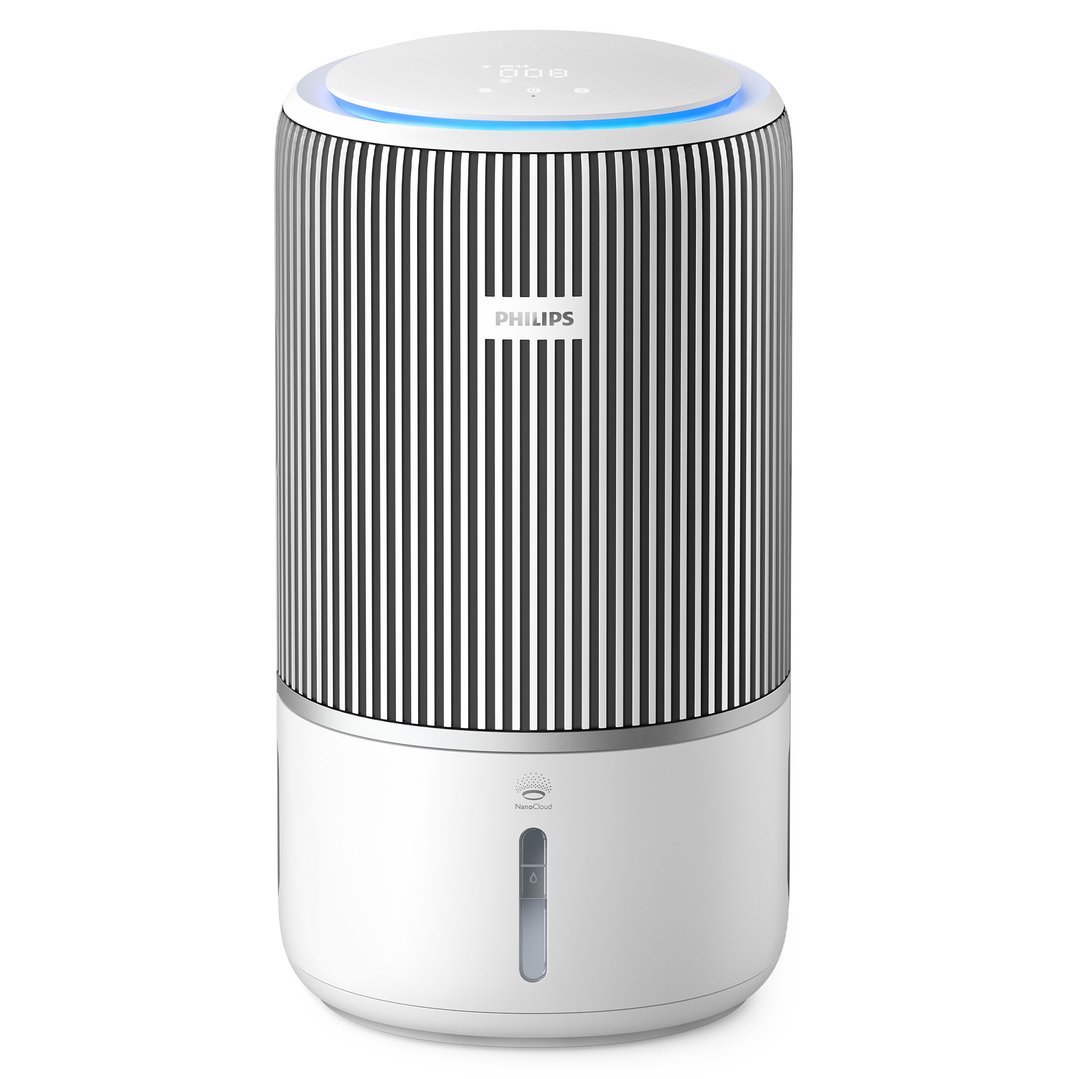
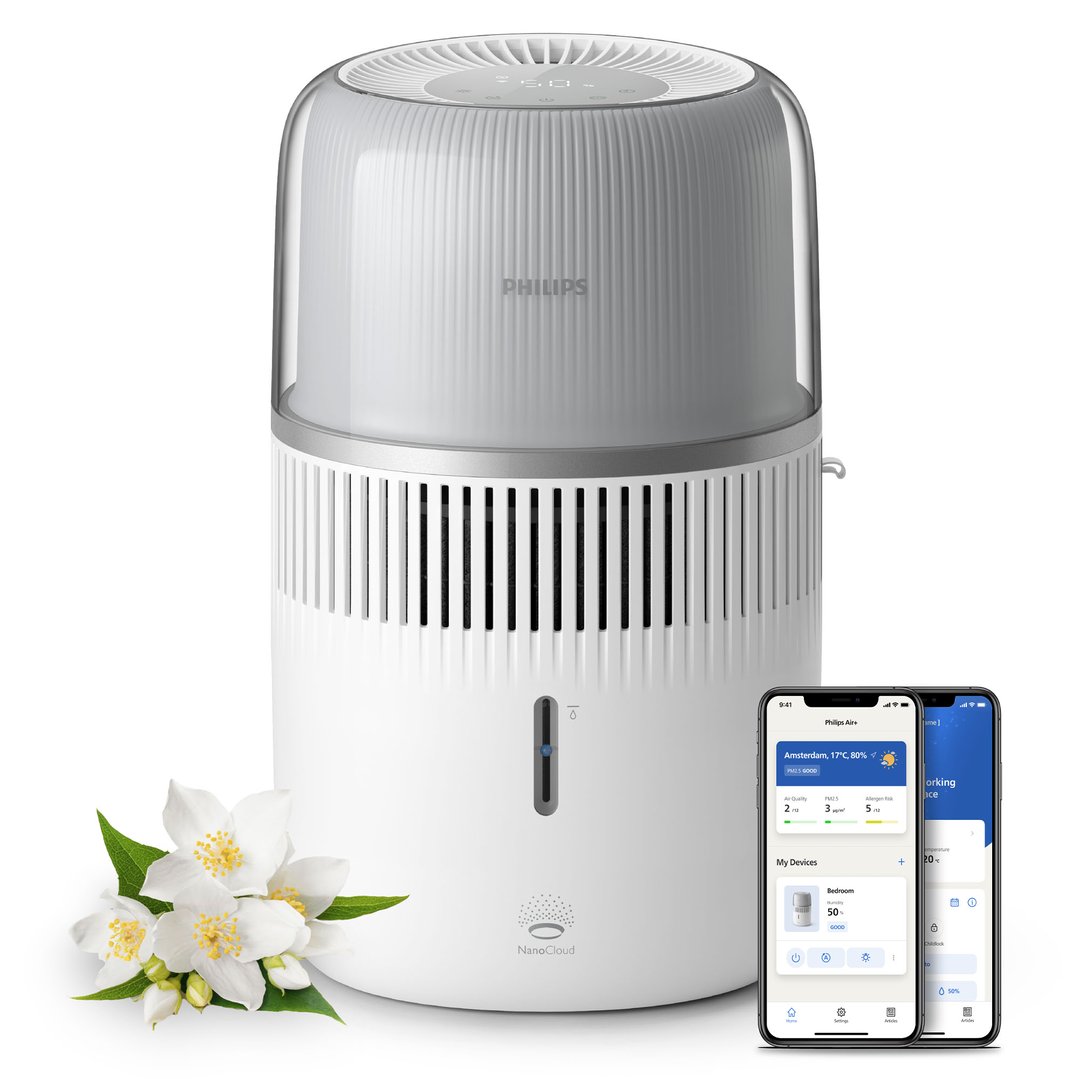
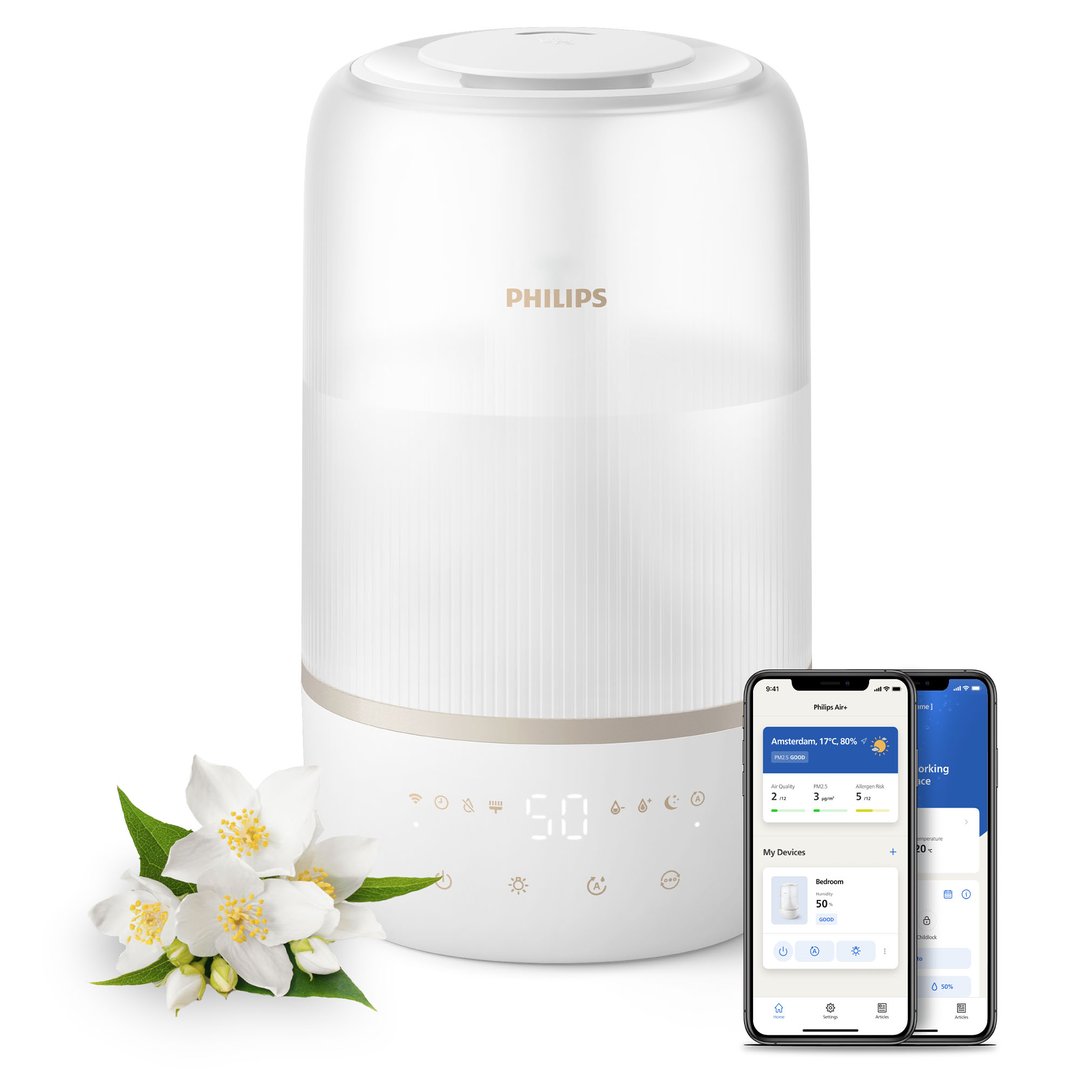
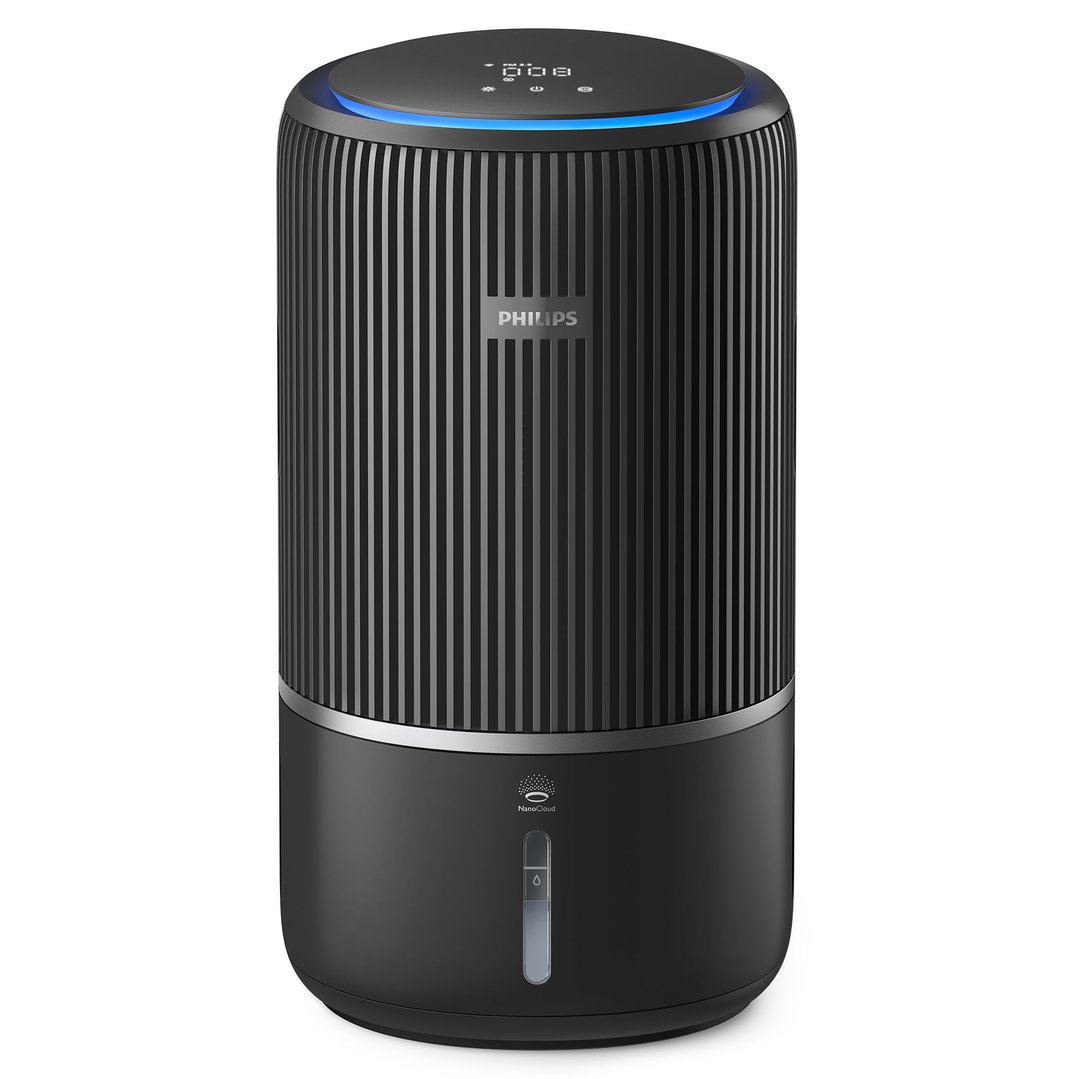
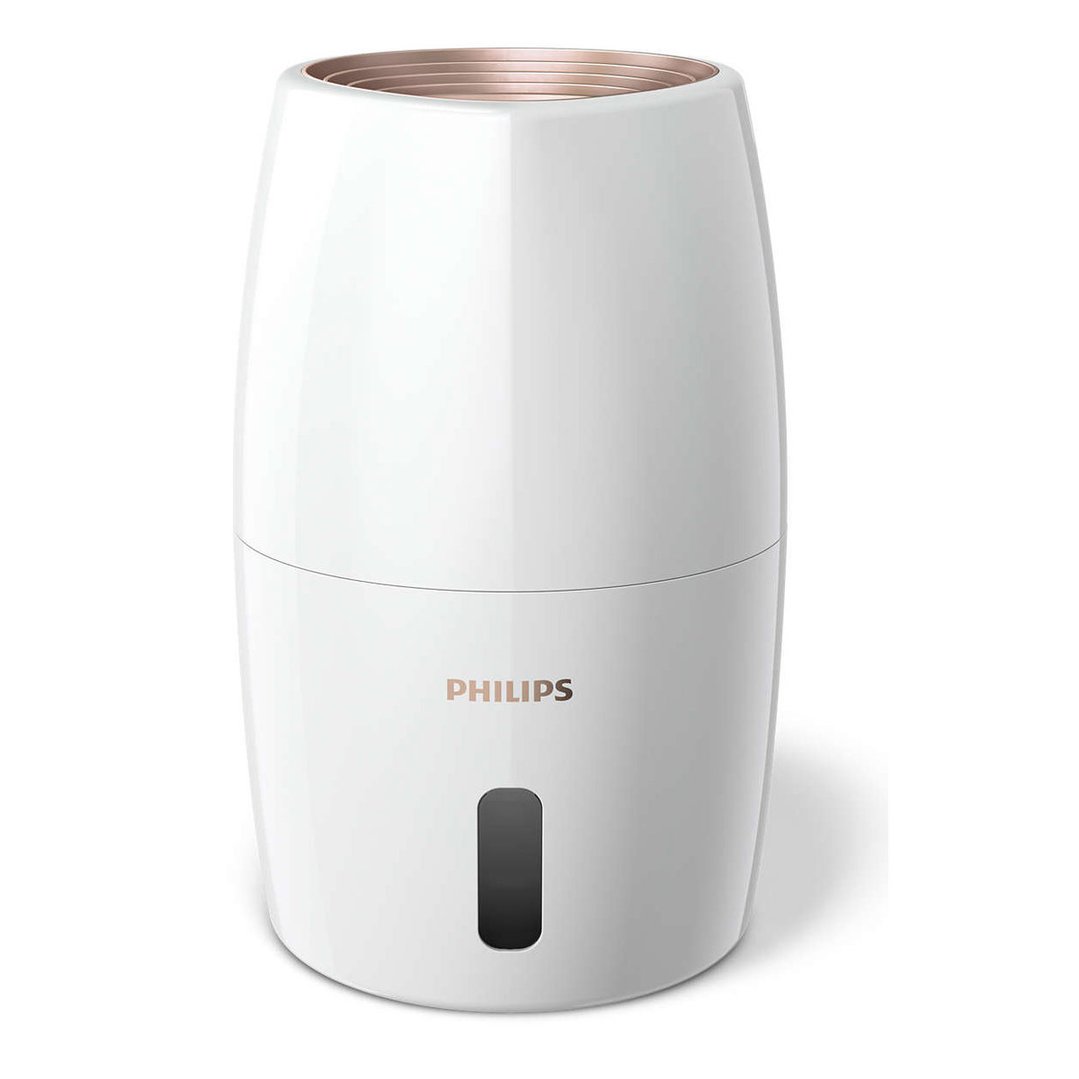

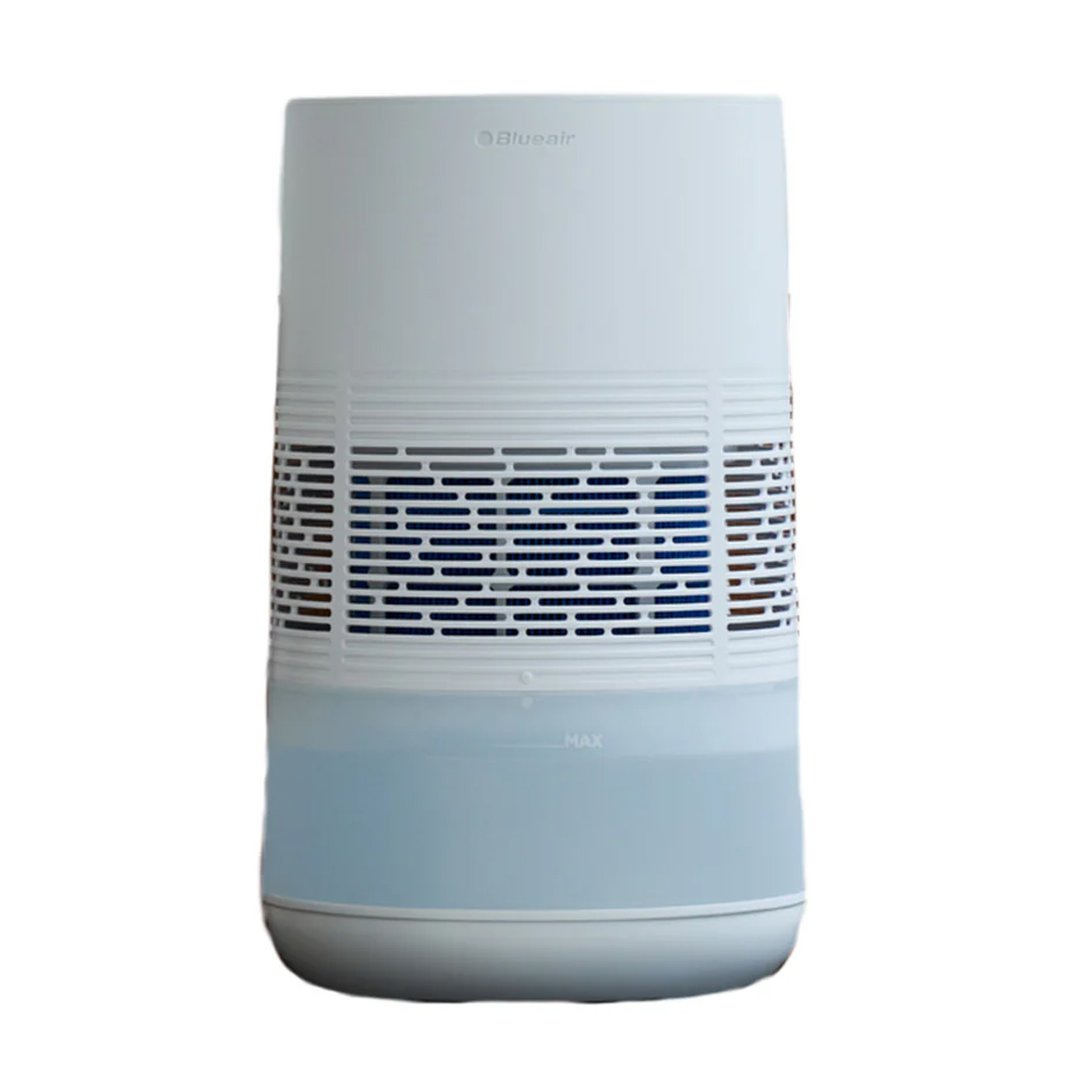




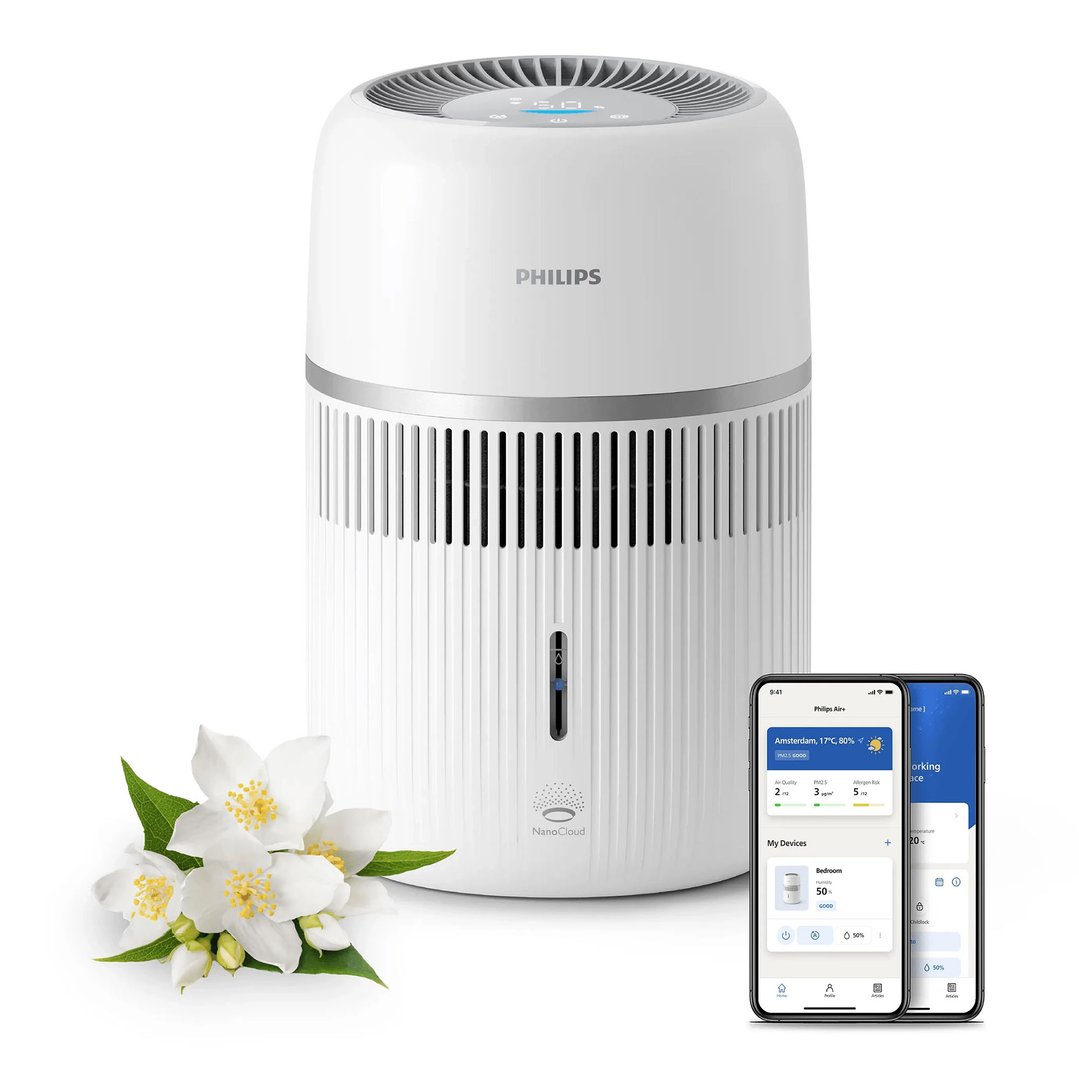
Help create a more comfortable living environment with a humidifier, designed to add moisture back into the air and support a healthier home. Whether you are looking to ease dry skin, reduce congestion, or protect your furniture from the effects of dry indoor air, a home humidifier can make a noticeable difference. If you are exploring other ways to improve the air quality in your space, take a look at our wider health & wellbeing range, including air purifiers and dehumidifiers.
FAQs
1. How do I choose the best humidifier for my home?
Choosing the best humidifier comes down to the size of the space you want to cover, the level of humidity you need, and any additional features that could make your experience easier. If you are placing the unit in a bedroom or nursery, you might prefer a quieter air humidifier with an automatic shut-off or night mode. Larger rooms may benefit from higher capacity models that can run for longer without needing a refill.
2. What does a humidifier do and how can it help?
A humidifier works by adding moisture to the air, which can help reduce dryness in your home. This can be particularly useful during winter or in air-conditioned spaces where the air tends to be drier. By increasing humidity levels, a home humidifier may help ease symptoms like dry skin, irritated sinuses, and a scratchy throat. It can also help protect wooden furniture and flooring from cracking due to low moisture levels.
3. What is the difference between an air purifier and a humidifier?
While both air purifiers and humidifiers help improve indoor air quality, they serve different purposes. A humidifier adds moisture to the air, which can relieve dryness and make breathing more comfortable. An air purifier, on the other hand, removes airborne particles like dust, pollen, pet dander and smoke to help keep the air cleaner. In some homes, using both appliances together can create a healthier and more comfortable environment.
4. Where should I place a humidifier in my home for the best results?
For the best performance, position your humidifier in a central spot within the room, ideally raised off the ground on a table or stand. Keep it away from walls, electronics and direct sunlight to allow the mist to circulate freely and avoid moisture build-up on surfaces. If you are using the humidifier in a bedroom, placing it near your bed but not too close to your head can help you enjoy the benefits while you sleep.
5. Is a cool mist or warm mist humidifier better?
Both cool mist and warm mist humidifiers are designed to add moisture to the air, but they work in slightly different ways. A cool mist humidifier releases room-temperature mist, making it a good choice for households with children or pets, as there is no risk of hot water burns. Warm mist humidifiers produce steam by heating the water, which can help reduce bacteria in the mist and may feel more soothing in cooler climates. The best option will depend on your personal preference, your household, and how you plan to use the humidifier.