Dishdrawers

$2,499 you
pay $2,199Ends in
14 Days$2,199 you
pay $1,999Ends in
14 Days$1,999 you
pay $1,799Ends in
14 Days$2,099 you
pay $1,899Ends in
14 Days$2,199 you
pay $1,999Ends in
14 Days$1,999 you
pay $1,799Ends in
14 Days$2,199 you
pay $1,999Ends in
14 Days$2,699 you
pay $2,399Ends in
14 Days$1,999 you
pay $1,799Ends in
14 Days



Dishdrawers
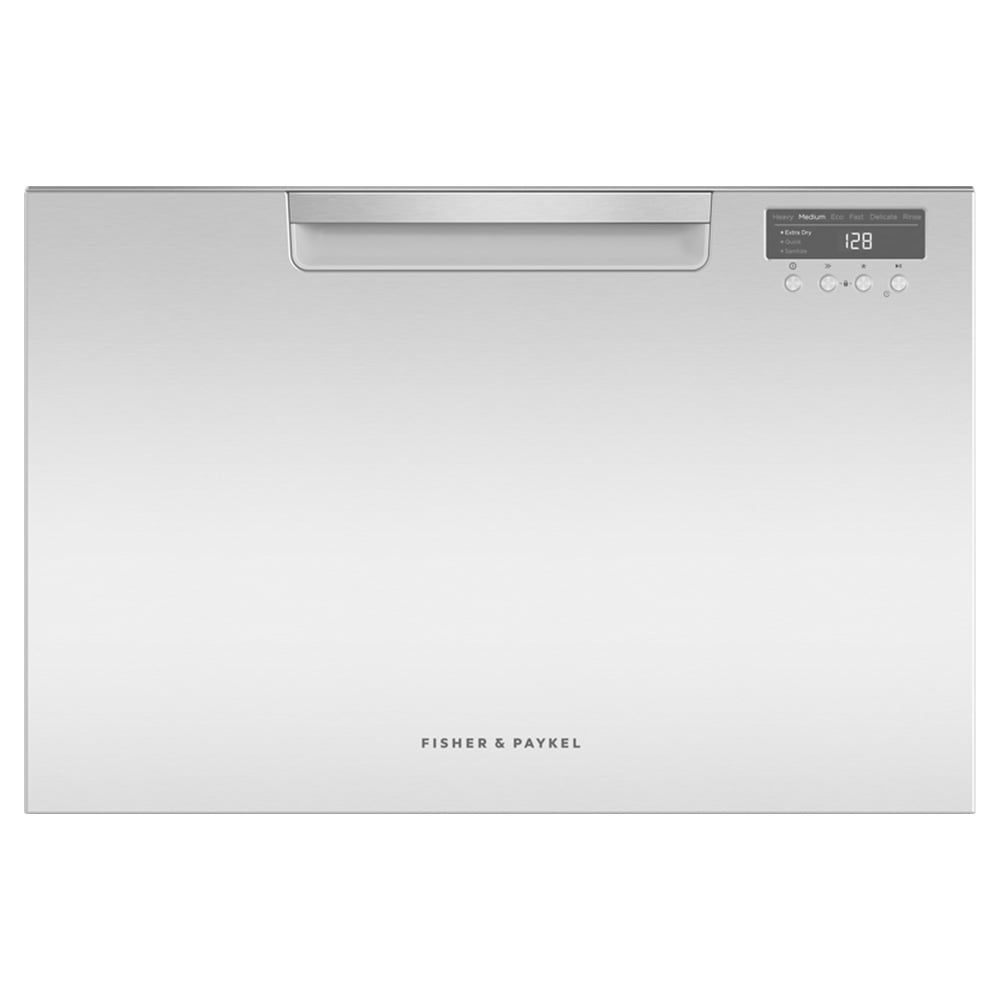
Dishdrawers are a distinctly different take on the dishwasher. Instead of a front-opening door, they use one or two pull-out drawers, each operating as an independent wash zone. The DishDrawer format was invented by Fisher & Paykel in New Zealand, and they remain a dominant name in this category. If you have not come across them before, they are worth understanding properly before you dismiss or commit.
How Dishdrawers Work
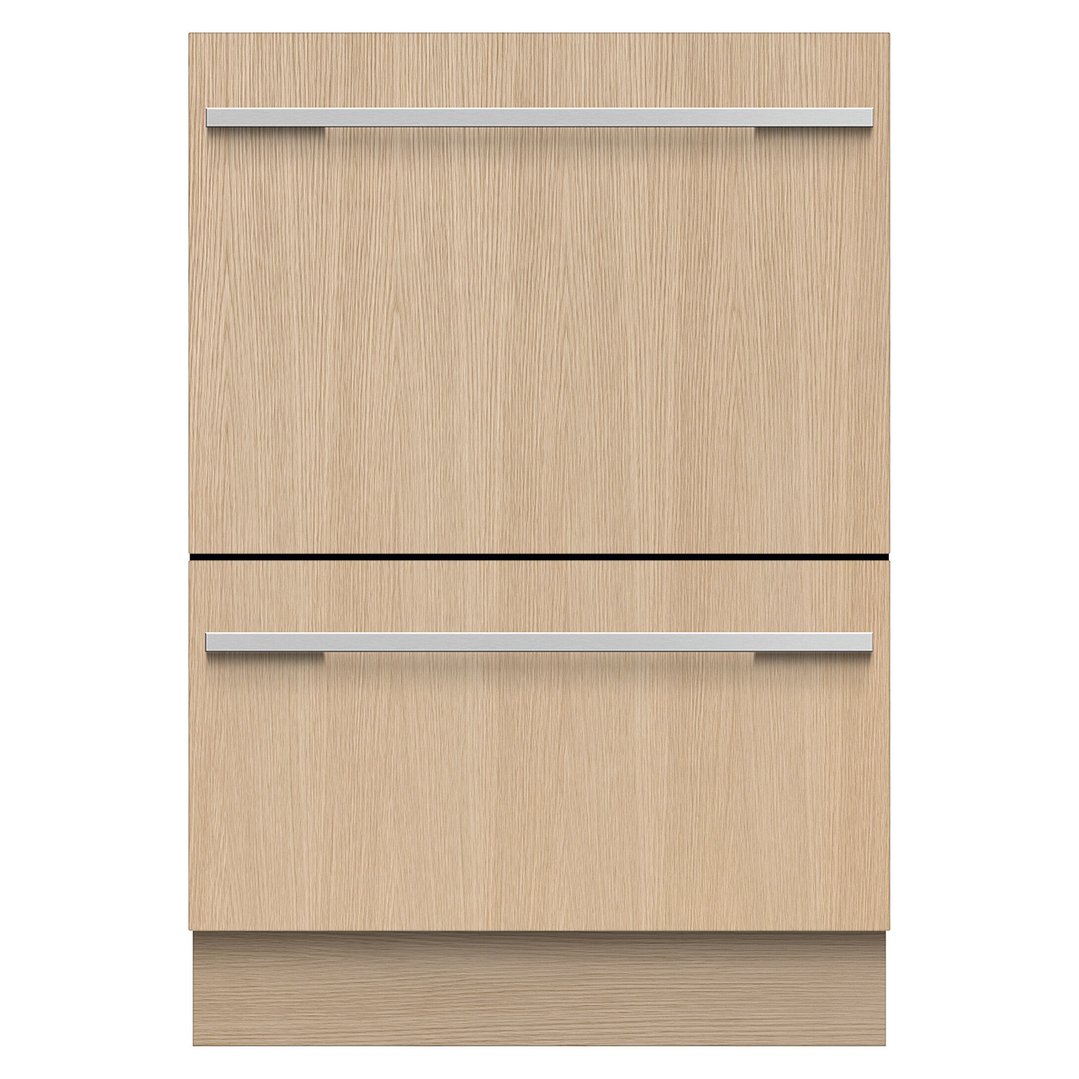
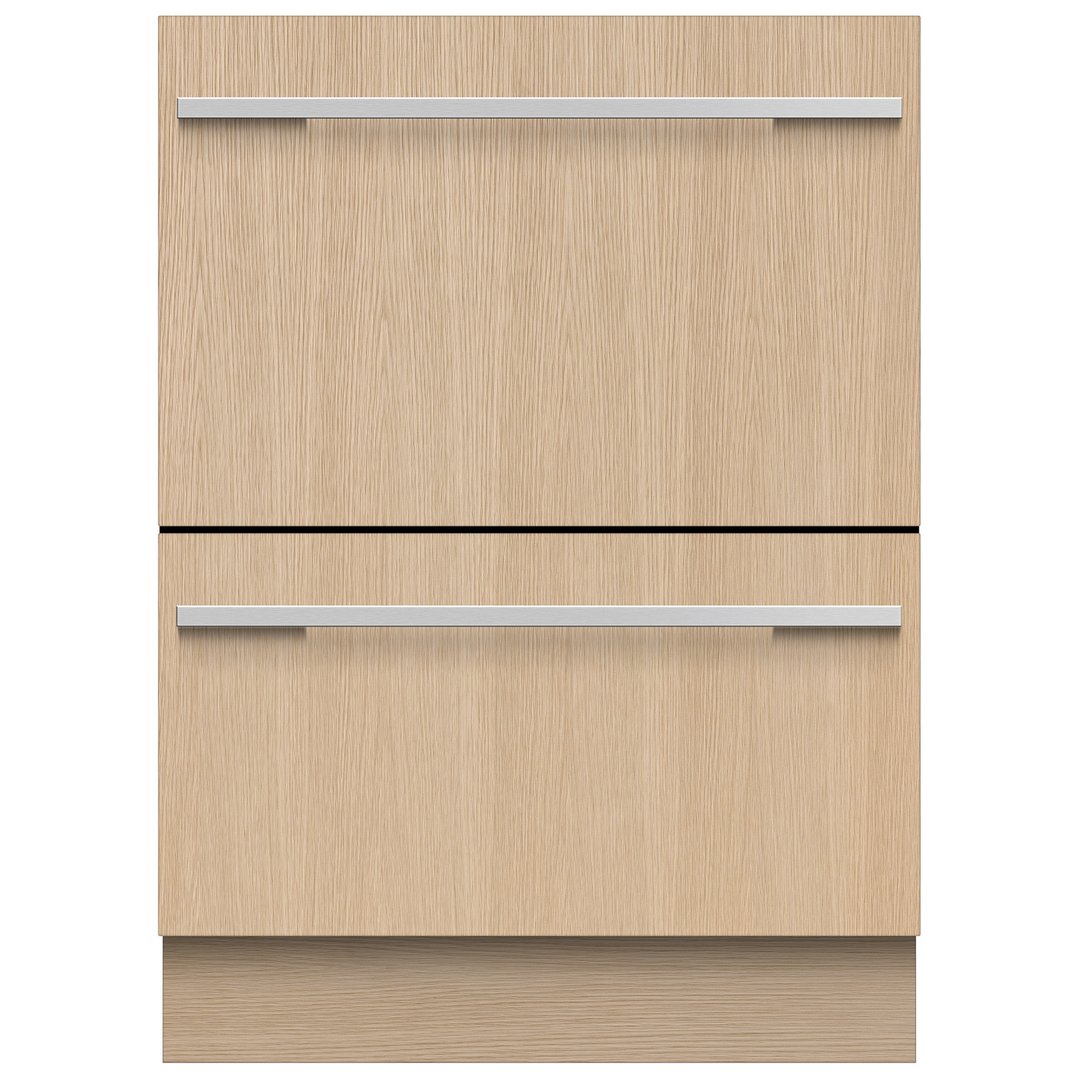
Each drawer is a self-contained dishwasher. It has its own wash arm, controls and cycle selection. In a double dishdrawer, you can run both drawers simultaneously on different cycles, or use just one drawer when you don't have a full load. Loading height is lower than a standard dishwasher door, which many people find easier on their back, particularly for the lower drawer.
Dishdrawers clean using the same combination of temperature, detergent and mechanical spray action as a conventional dishwasher, just in a more flexible format.
Single vs Double Dishdrawer
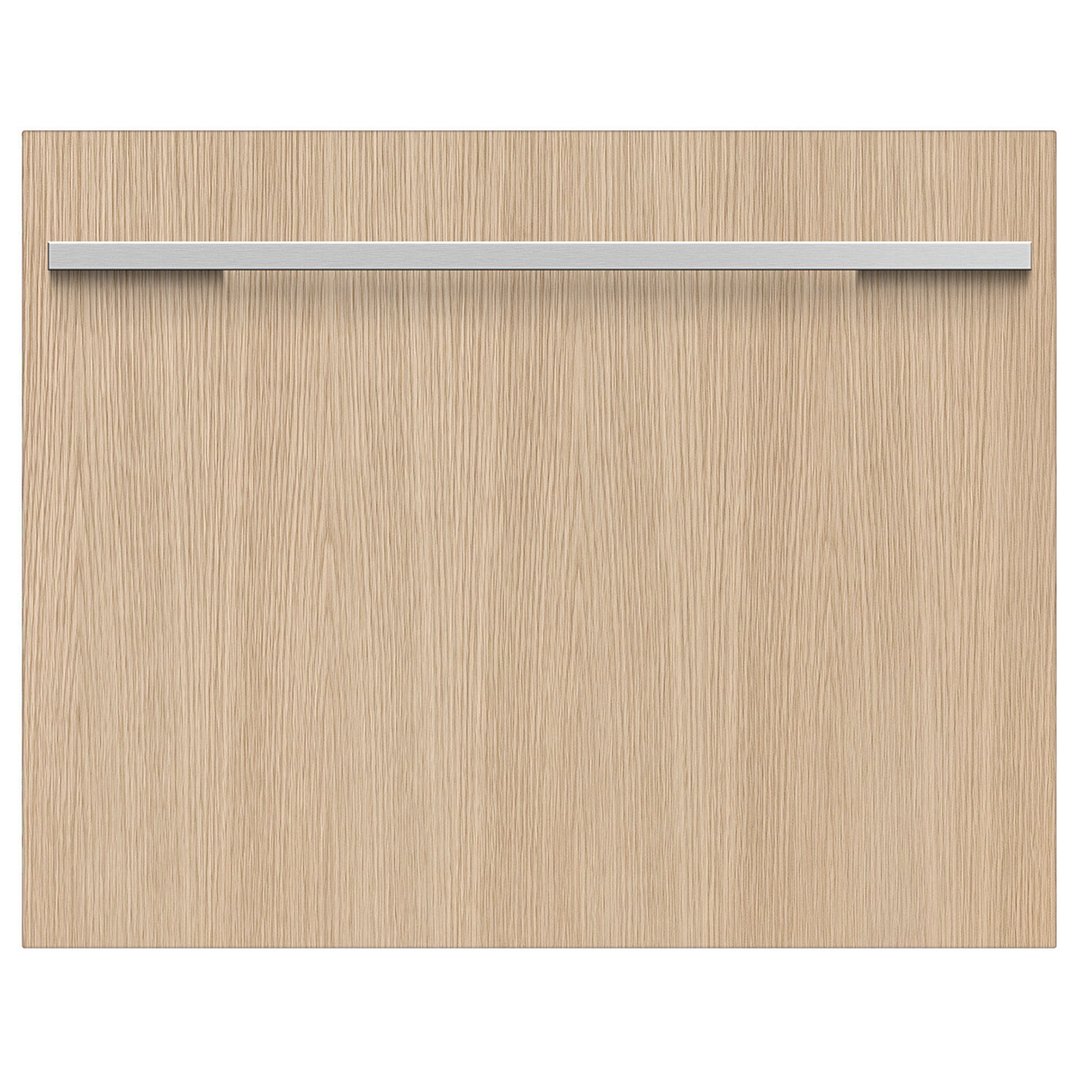
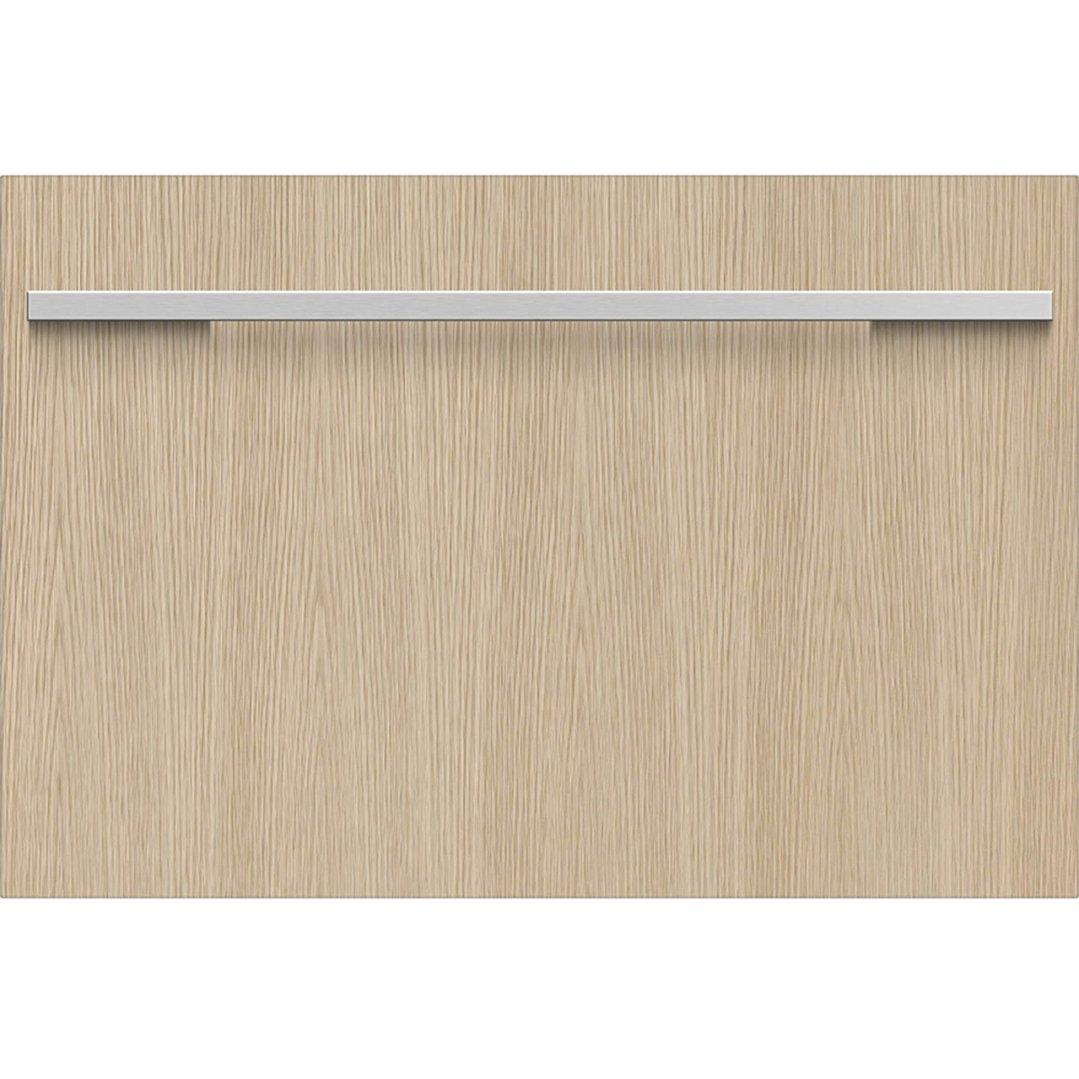
A single dishdrawer holds around seven place settings and is well-suited to a couple or a single-person household. It also works well as a secondary dishwasher in a large kitchen where you want an extra wash zone, for example next to a bar fridge or prep sink.
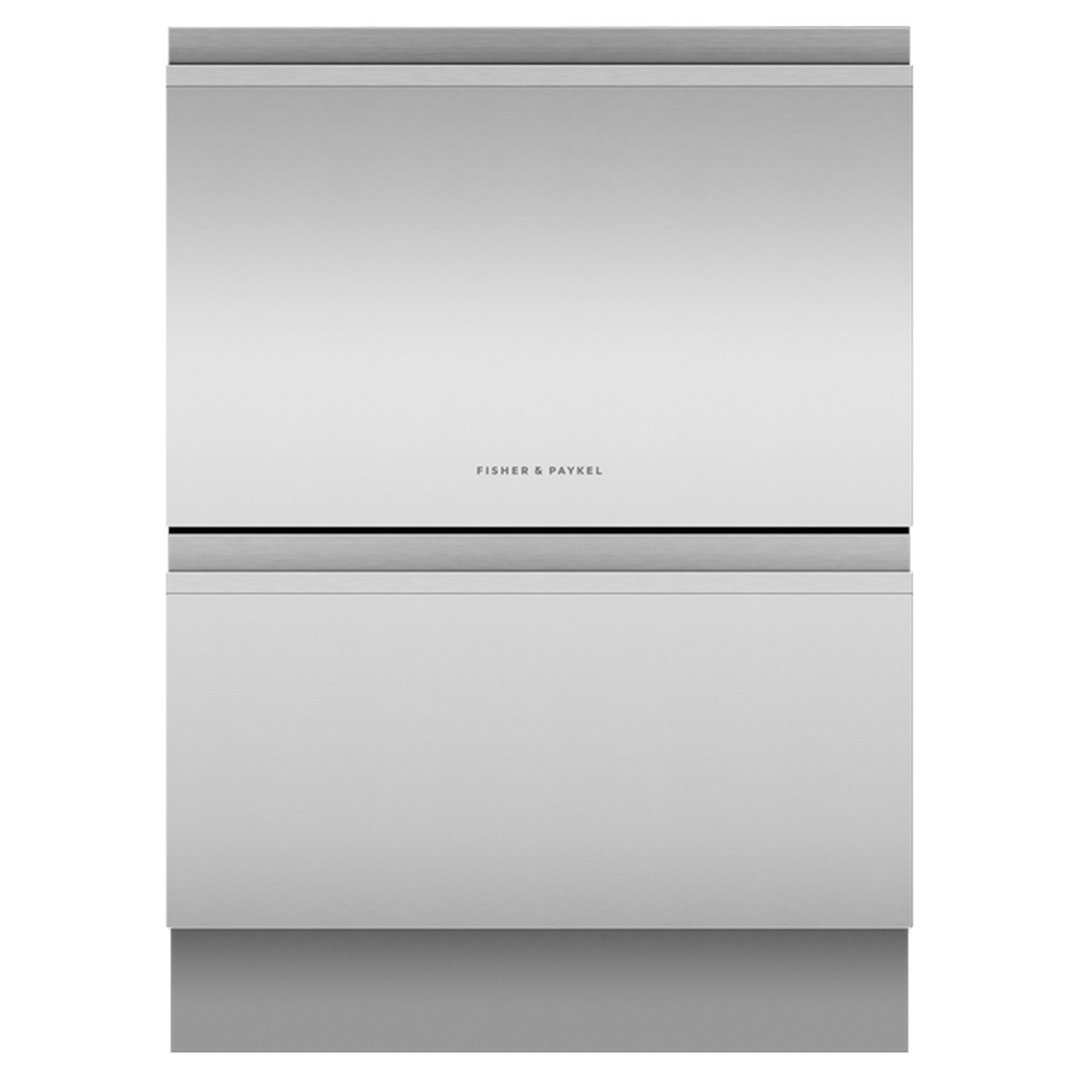
A double dishdrawer holds around 14 place settings across the two drawers. The real advantage is flexibility. One drawer can be running a heavy pot wash while the other holds a quick glass rinse. You never have to wait for one load to finish before starting another. For busy households, that is a genuine practical difference.
Things to Keep in Mind
Dishdrawers are built-under appliances and require professional installation, including a plumber and electrician.
The drawer format means smaller individual capacity than a standard 60cm dishwasher. For large family loads where you wash everything at once, a conventional machine may be more practical.
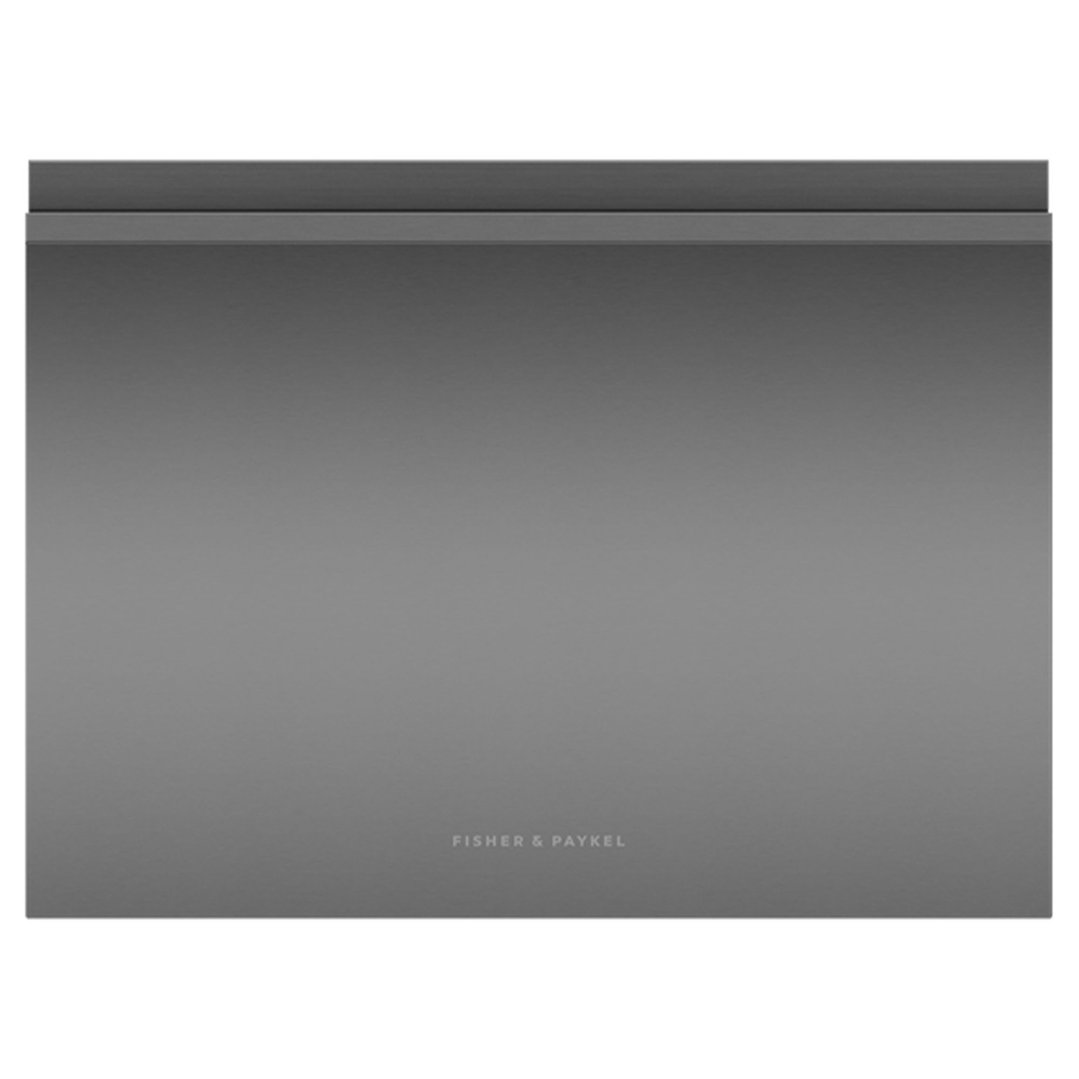
All models in our current range are from Fisher & Paykel, available in stainless steel and black finishes across the Series 7 and Series 9 lines. Series 9 models carry upgraded features and are worth the step up if you plan to run the machine heavily.
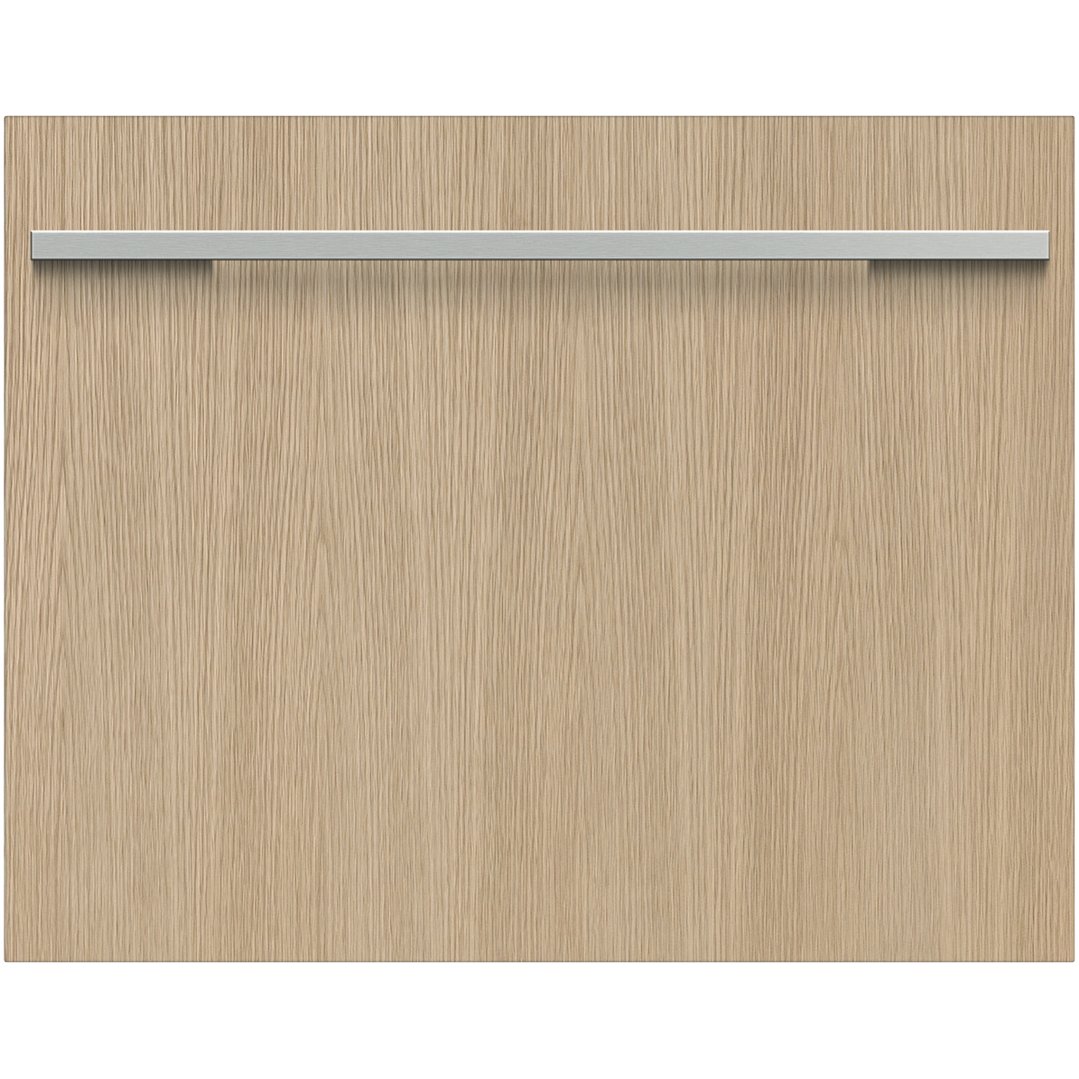
Dishdrawers can be integrated into cabinetry with a custom door panel, similar to a built-under integrated dishwasher.
Browse the full Fisher & Paykel range or compare dishdrawers against other types in our Dishwasher Buying Guide. You might also want to look at freestanding dishwashers or built-under dishwashers to compare capacity and installation requirements.
FAQs
What is a dishdrawer dishwasher?
A dishdrawer is a drawer-style dishwasher that pulls out like a kitchen drawer rather than opening with a conventional front door. Each drawer is a self-contained wash zone with its own controls and cycle. They are manufactured almost exclusively by Fisher & Paykel, a New Zealand appliance brand that invented the format.
Are dishdrawers worth it?
For smaller households or those who prefer to run small loads frequently, dishdrawers are very practical. The ability to run two independent drawers on different cycles, or use just one drawer for a partial load, avoids the waste of running a half-empty full-size dishwasher. For larger families who need to wash 12 or more place settings in a single load, a conventional dishwasher is usually more efficient.
How many place settings does a dishdrawer hold?
A single dishdrawer holds approximately 6 to 7 place settings. A double dishdrawer holds approximately 14 place settings across both drawers combined, though the drawers are run independently so you would not load all 14 into one drawer.
Who makes dishdrawers in Australia?
Fisher & Paykel is the primary manufacturer of dishdrawers in Australia and was the originator of the design. Their range includes Series 7 and Series 9 models in single and double configurations, available in stainless steel and black finishes.
Can a dishdrawer replace a regular dishwasher?
Yes, in most kitchens. A double dishdrawer fits a standard 60cm underbench opening and connects to the same plumbing as a conventional machine. The practical difference is in how you load and run it. If you are used to filling a full-size dishwasher once per day, check that the total capacity suits your household before committing.
Are dishdrawers good for bad backs?
Many people find them easier to load than a conventional dishwasher, particularly the upper drawer in a double unit, which is at a comfortable height without bending. The lower drawer still requires bending, but the loading height is generally higher than the bottom rack of a standard machine.