Benchtop & Slimline


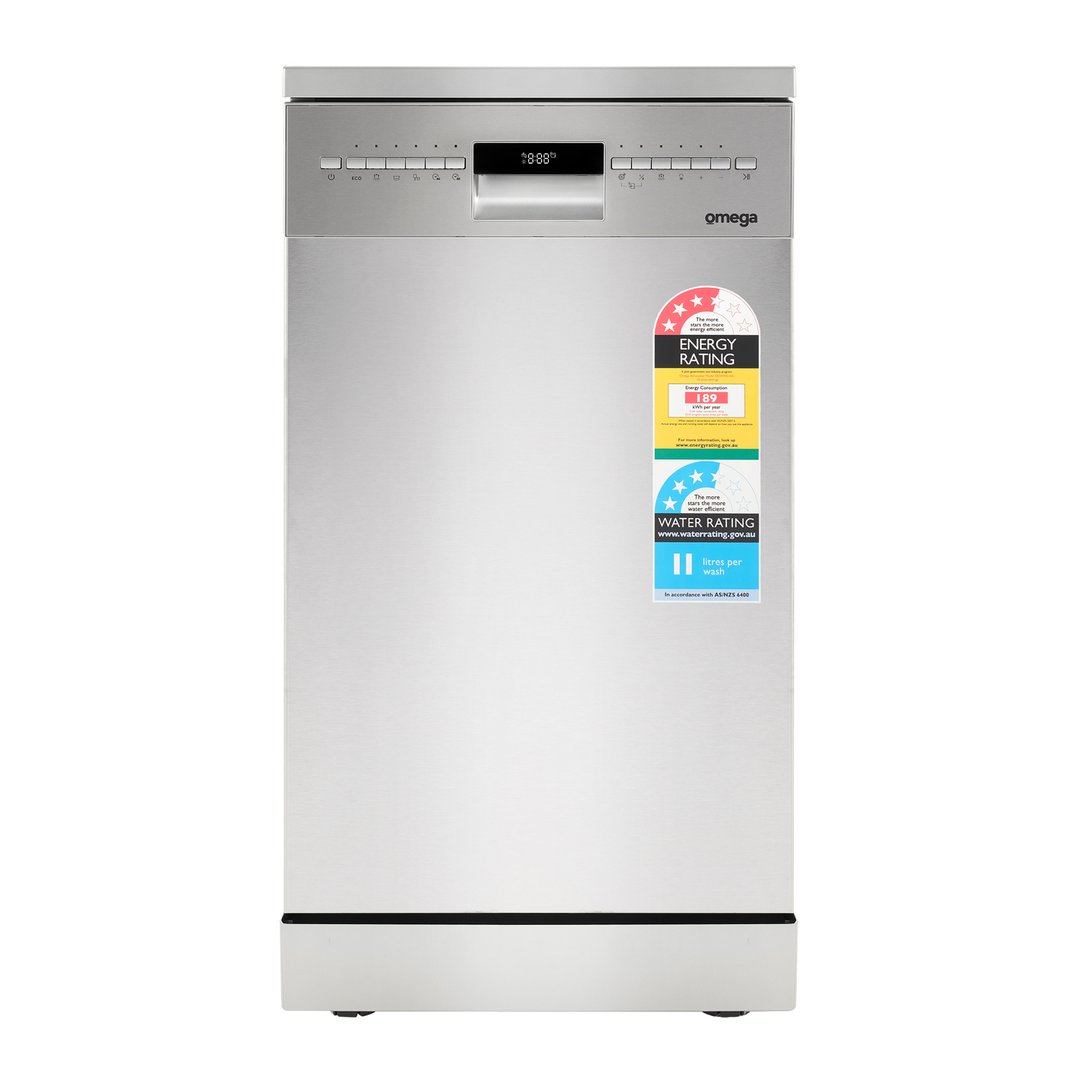



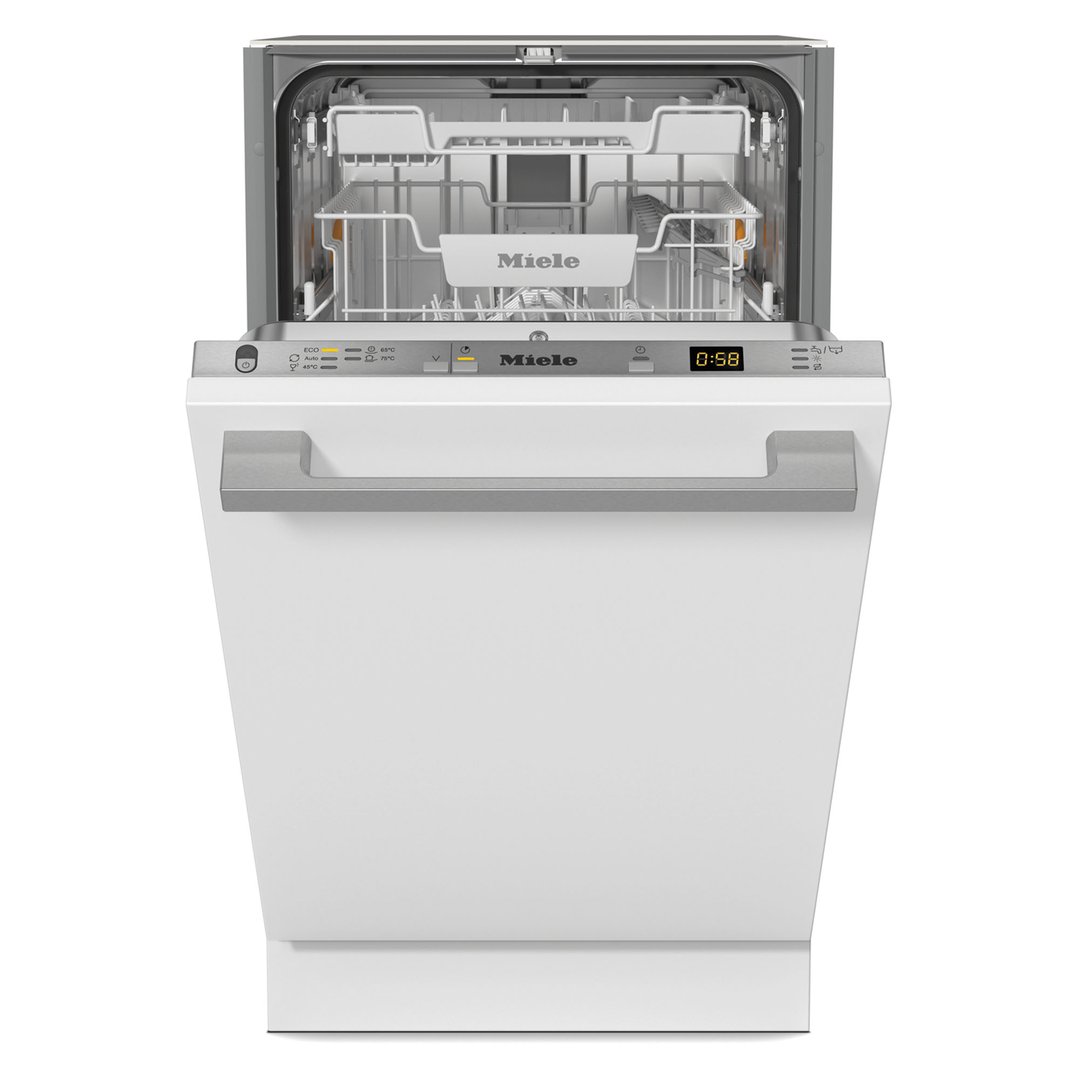
Benchtop and Slimline Dishwashers
Not every kitchen has room for a full-size 60cm dishwasher, and not every household needs one. Benchtop and slimline models cover both situations. They're compact, practical, and in the case of benchtop dishwashers, require no permanent plumbing at all. That matters a lot if you're renting, living in a studio or setting up a small kitchen from scratch.
Benchtop Dishwashers
A benchtop dishwasher sits on your kitchen counter and connects directly to your tap via an adaptor hose. The drain hose drops into the sink. No cabinetry, no plumber and no electrician needed beyond a standard power point. CHOICE testing has found that a 6-place benchtop model uses around 7 to 8 litres of water per cycle, making them particularly water-efficient for small loads.
Capacity typically runs from 6 to 8 place settings, which is fine for one or two people. The main trade-off is bench space. A standard benchtop model occupies roughly 50cm x 55cm of your counter, near the sink. In a very small kitchen that can be a real sacrifice, so measure before you buy.
Installation is as simple as it gets. Connect the inlet hose to your tap with a screw-on adaptor, position the drain hose in the sink and plug in. You can disconnect and pack it away if needed, which is useful for renters or anyone who moves regularly.
Slimline Dishwashers
A 45cm slimline dishwasher is a permanently installed machine, just narrower than a standard 60cm model. It fits into a 45cm cabinet opening and typically handles 9 to 10 place settings. Like a full-size built-under or freestanding dishwasher, it requires a plumber to connect water and drainage and an electrician if no power point exists. The benefit is that it fills a smaller kitchen gap while offering most of the programs and features of a full-size model.
Slimline dishwashers suit kitchens that simply don't have a standard 60cm opening available, or households of two where a full-size machine would rarely be filled.
Things to Check Before Buying
Plate size. Some benchtop models have a maximum plate diameter of around 26-27cm. Check that your everyday plates fit before purchasing.
Bench height. Your benchtop needs to be at a comfortable height for loading, and the model needs to fit under any overhead cabinets. Most benchtop units are around 43-50cm tall.
Tap connection. Benchtop dishwashers need a standard threaded tap connection. Most modern kitchen taps are compatible, but it is worth checking.
Programs. Benchtop and slimline models generally offer fewer programs than full-size machines. Most include a standard wash, eco, quick and sometimes intensive. Adjustable racks and cutlery baskets vary between models.
If you're after more capacity, compare these against our freestanding dishwashers and dishdrawers, or read our Dishwasher Buying Guide for a full breakdown of every type.
FAQs
What is a benchtop dishwasher?
A benchtop dishwasher is a compact dishwasher designed to sit on your kitchen counter. It connects to your tap via a hose adaptor and drains into the sink. No plumbing modifications are required, which makes it a practical choice for renters or kitchens with no built-in dishwasher space.
Do benchtop dishwashers need a plumber?
No. Most benchtop dishwashers connect to a standard kitchen tap using a screw-on adaptor, which you can fit yourself. The drain hose simply sits in the sink. You need a standard power point but no permanent electrical or plumbing work.
How many dishes can a benchtop dishwasher hold?
Most benchtop models hold 6 to 8 place settings. This is enough for one or two people doing a full day's dishes at once. Benchtop dishwashers are not designed for large families or high-volume washing.
What is the difference between a benchtop and slimline dishwasher?
A benchtop dishwasher sits on the counter with no permanent installation. A slimline dishwasher is a permanently installed built-under model that is 45cm wide (narrower than the standard 60cm), requiring a plumber and electrician for connection. Slimline models have more capacity and features; benchtop models require no installation at all.
Are benchtop dishwashers as good as full-size dishwashers?
For washing performance, some benchtop models do hold their own against full-size machines on cleaning. Where they fall short is drying performance (they lack the thermal mass of a larger machine) and capacity. They also tend to have fewer programs. For a small household that mainly needs a basic wash cycle, they work very well.
Can I use a benchtop dishwasher in a rental property?
Yes. Because benchtop dishwashers connect to an existing tap and drain into the sink, they do not require any permanent installation or modification to the kitchen. They are one of the most rental-friendly appliance options available, and you can take the machine with you when you move.