BBQs


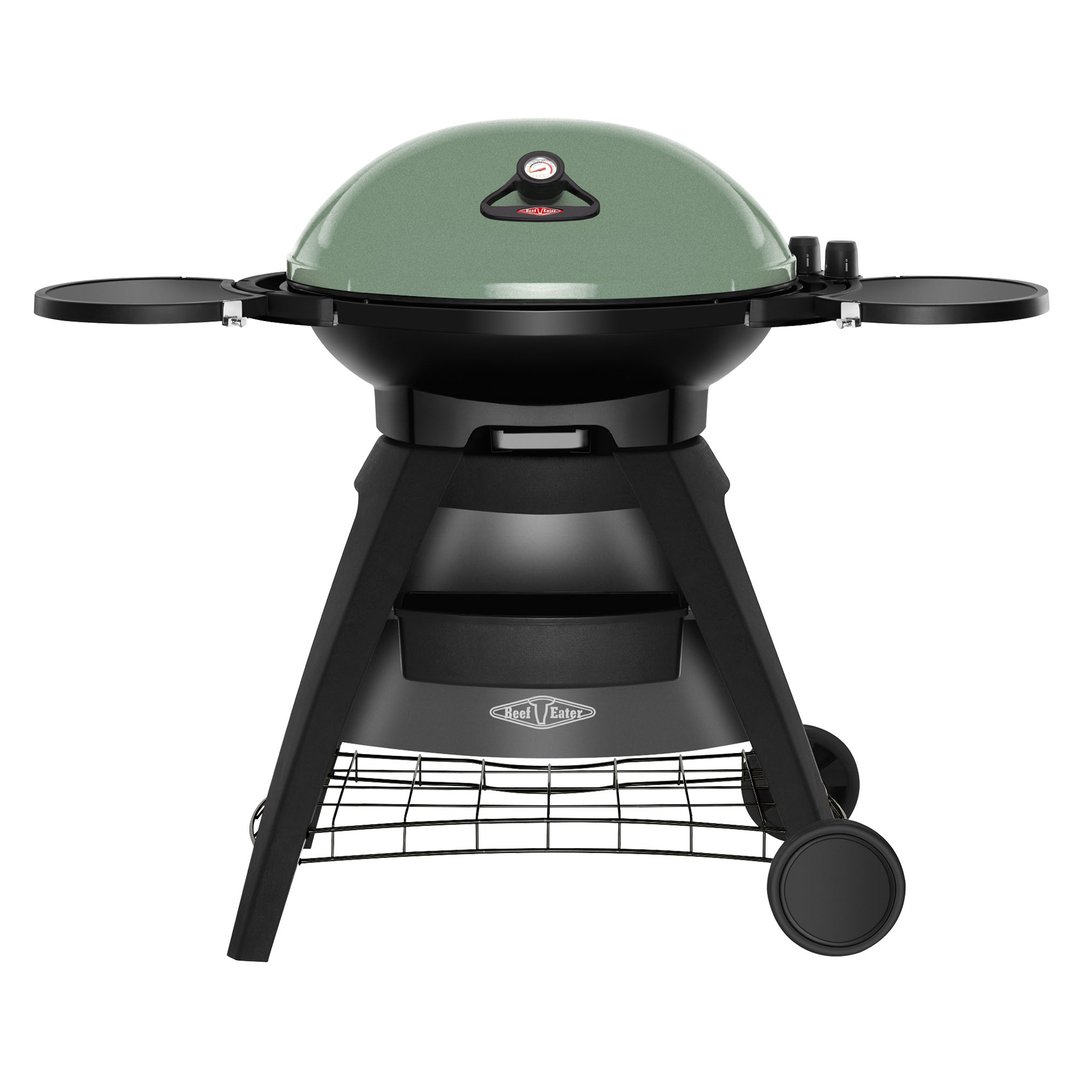

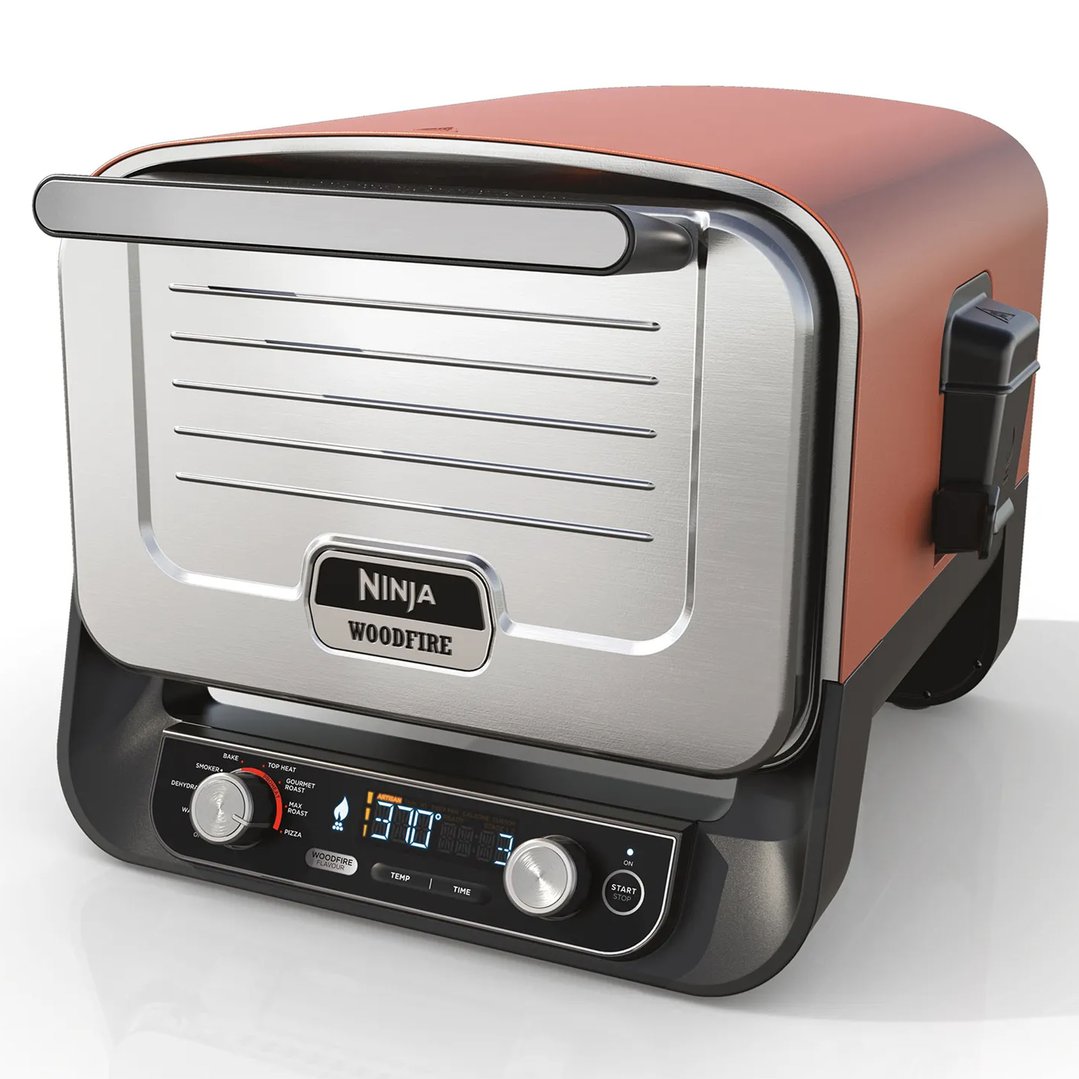


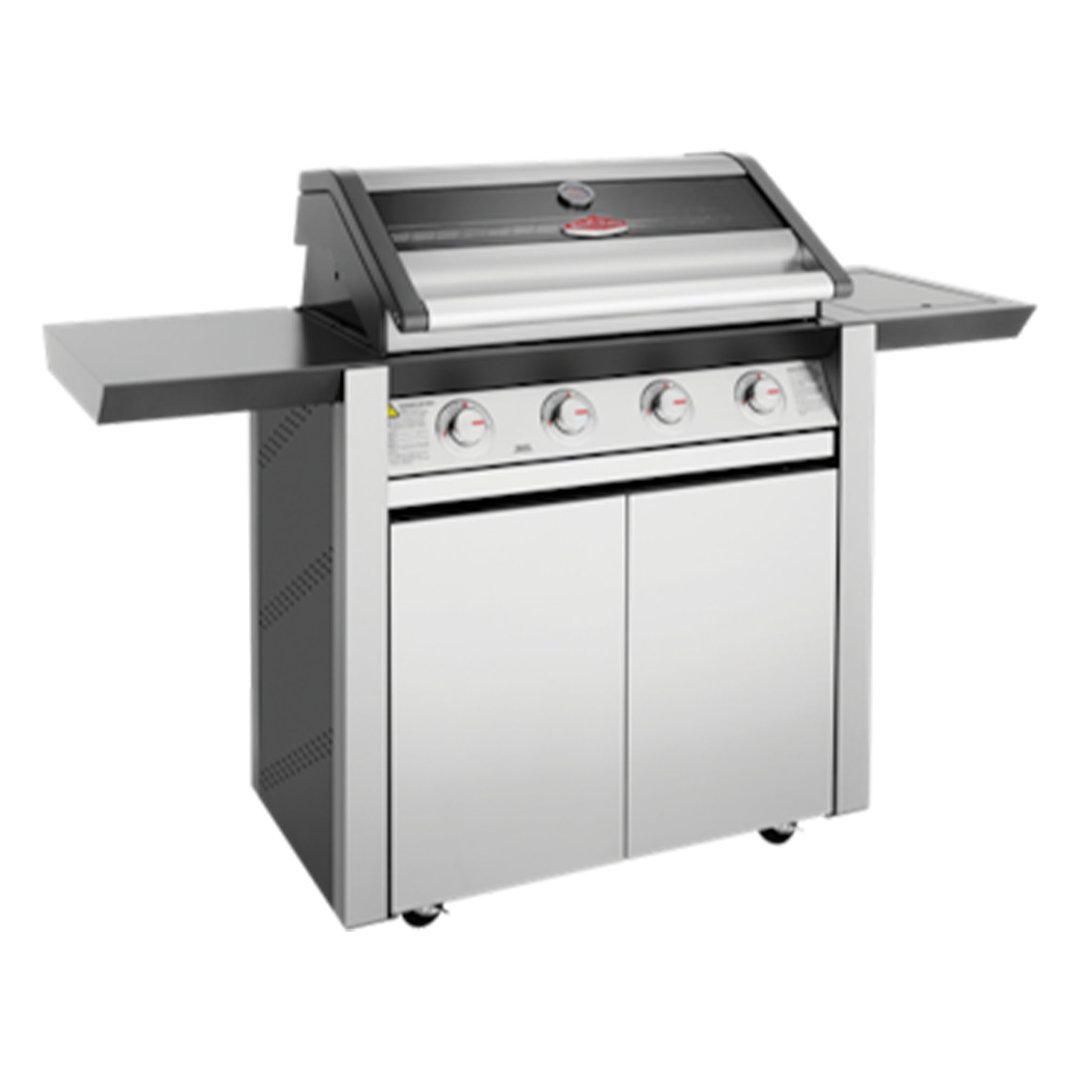
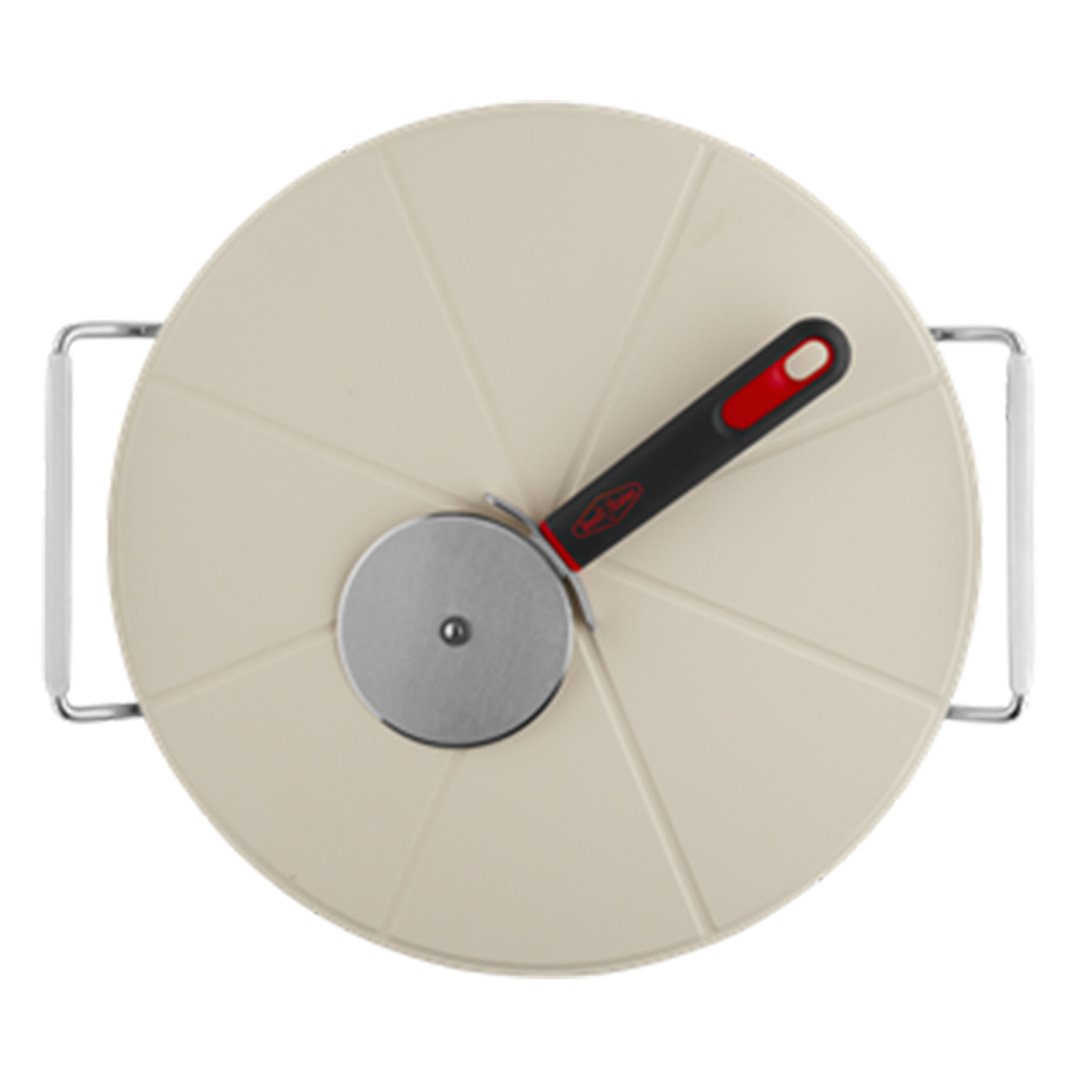

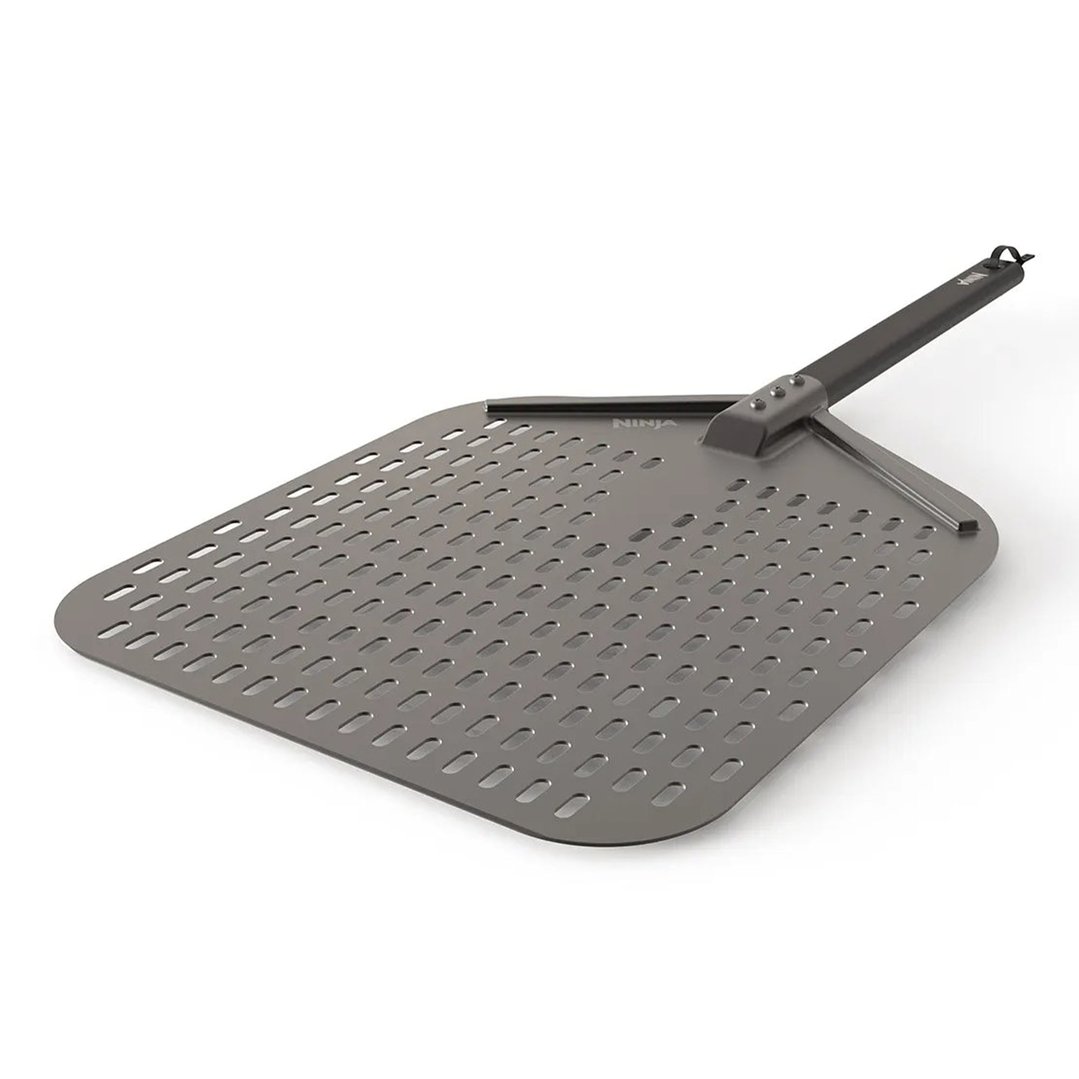




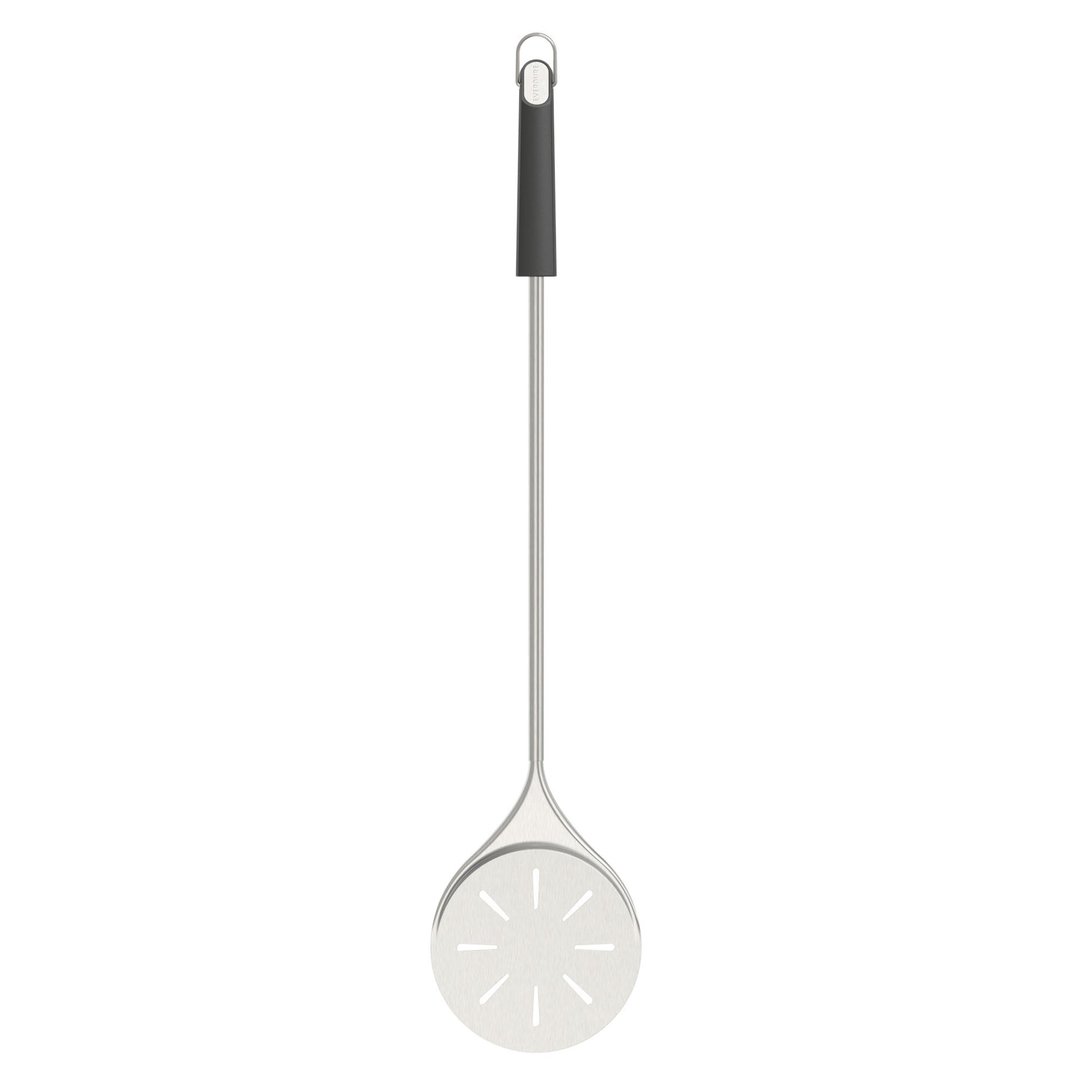
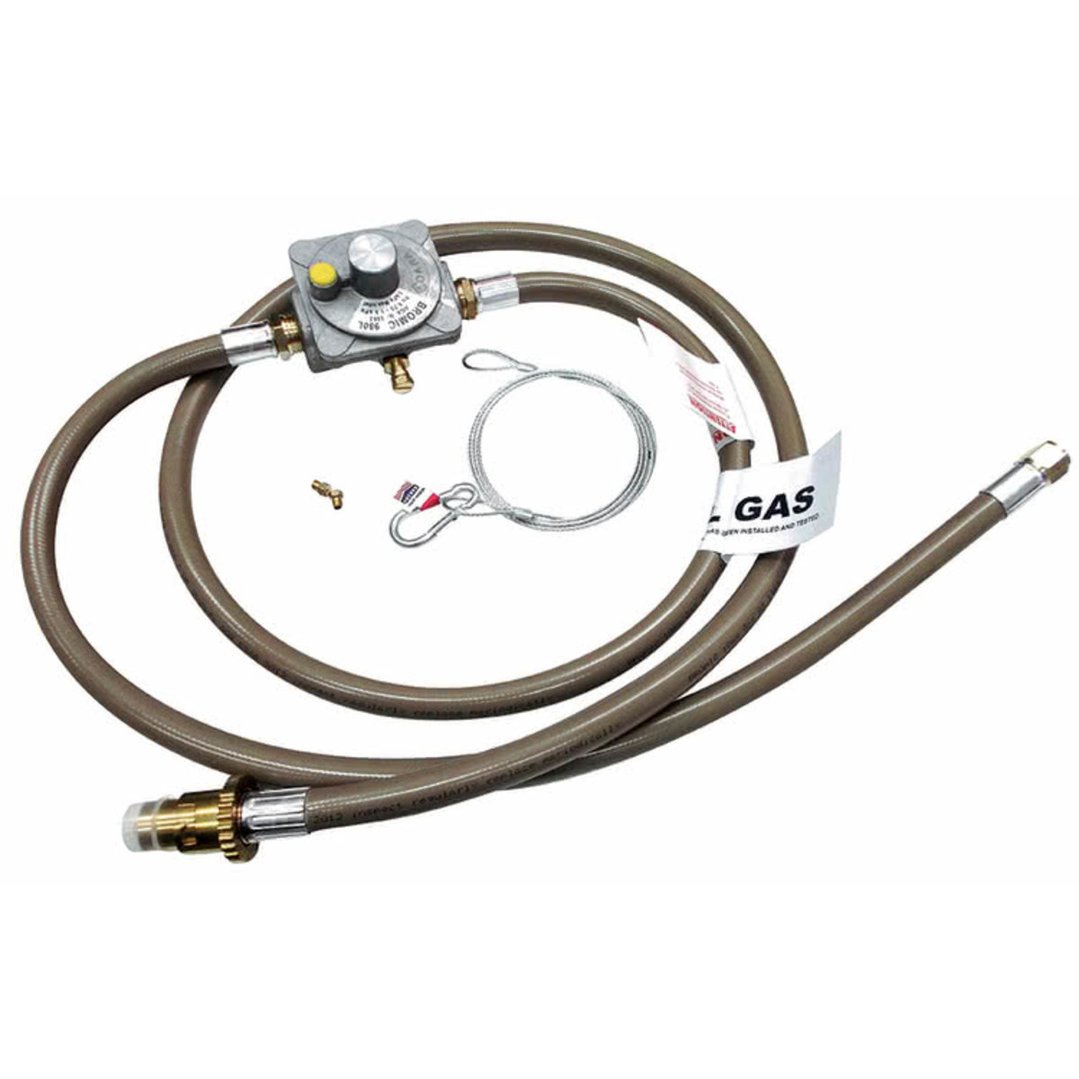

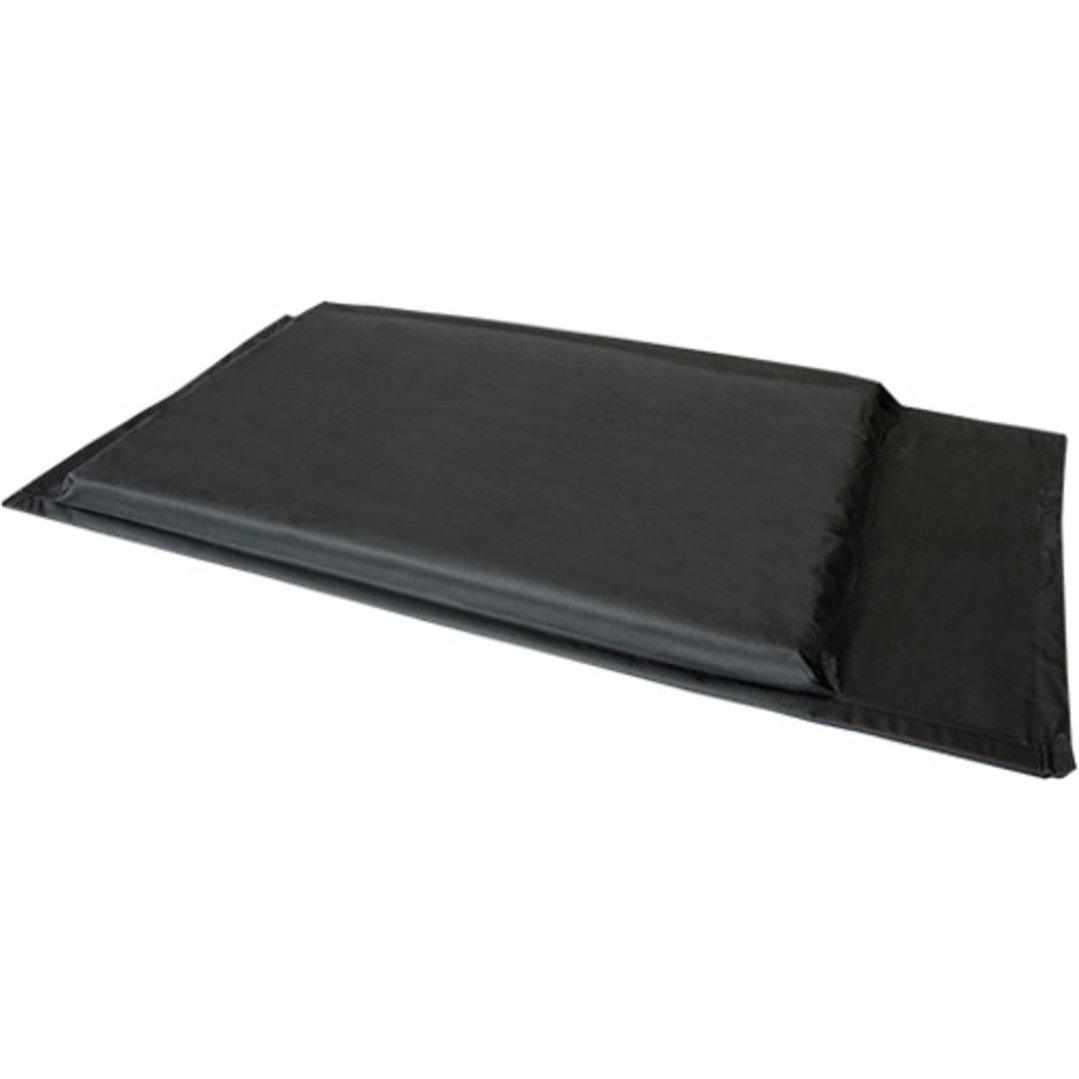


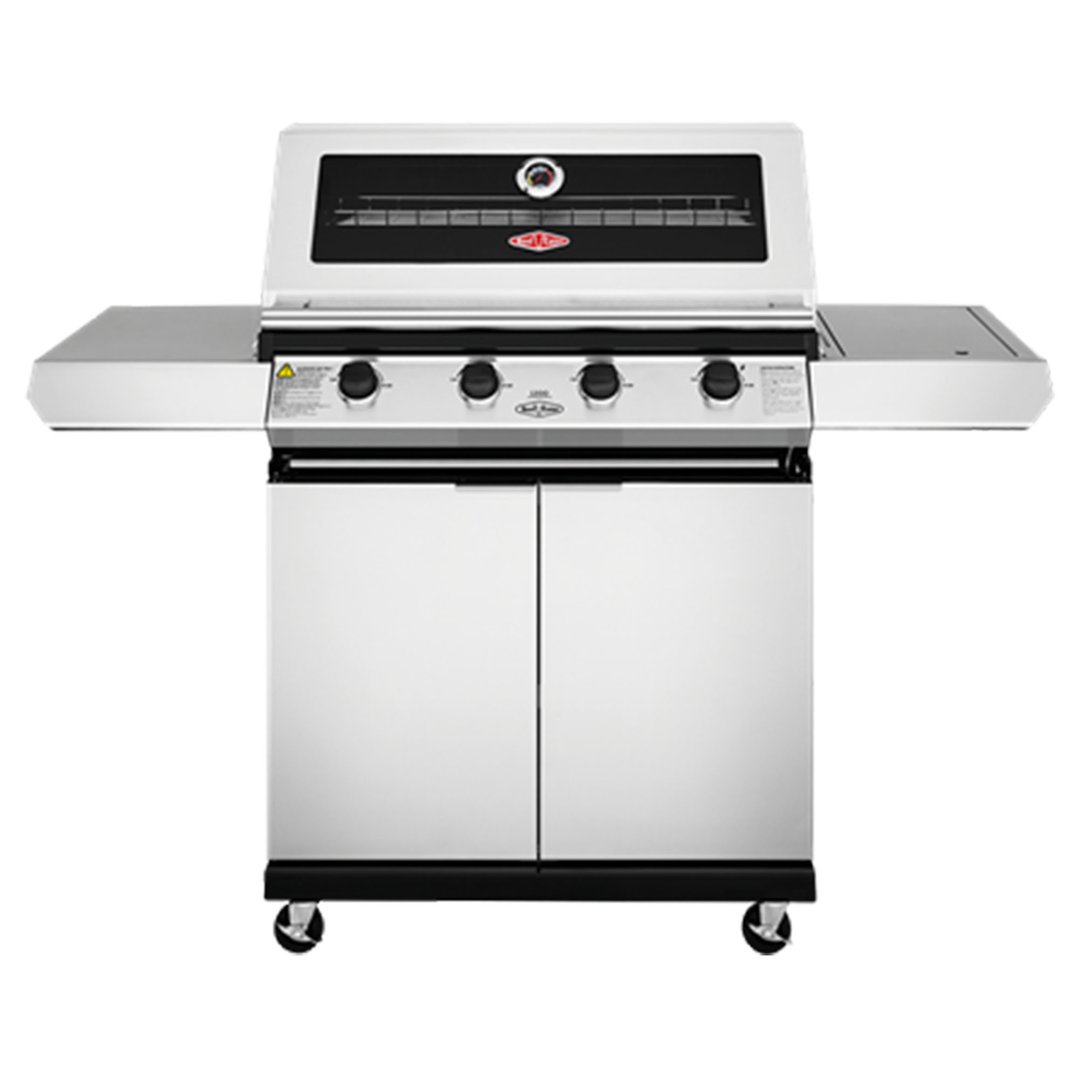
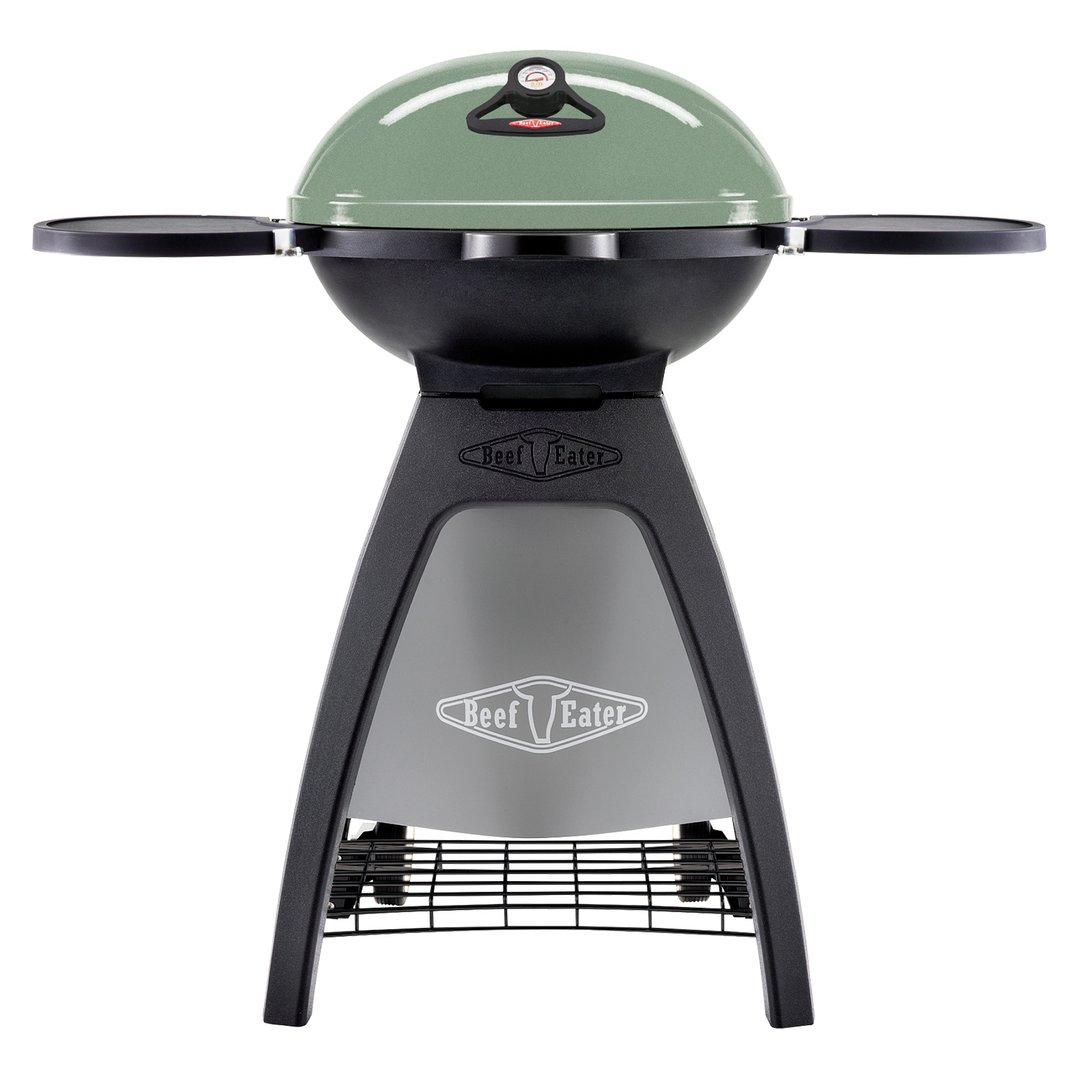
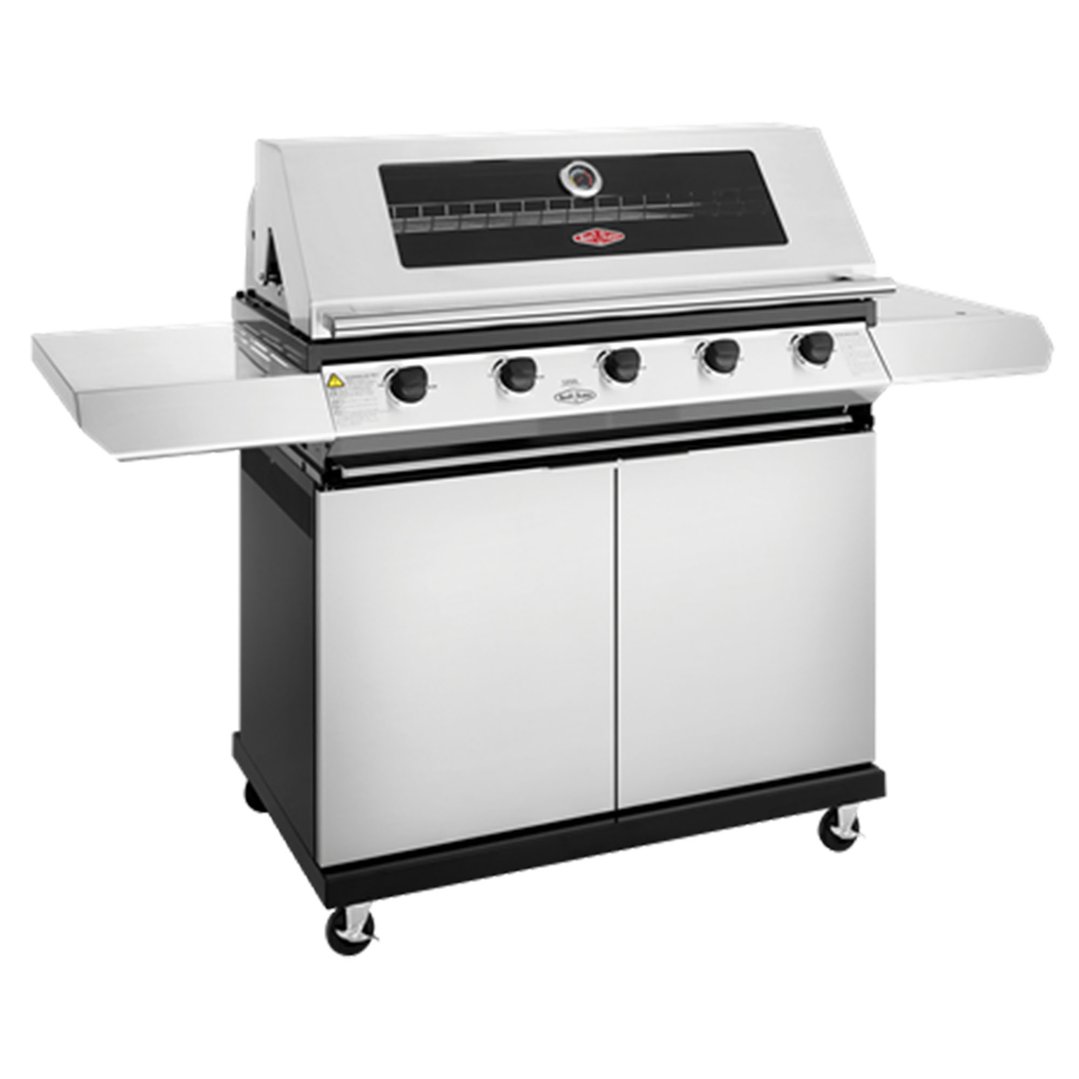
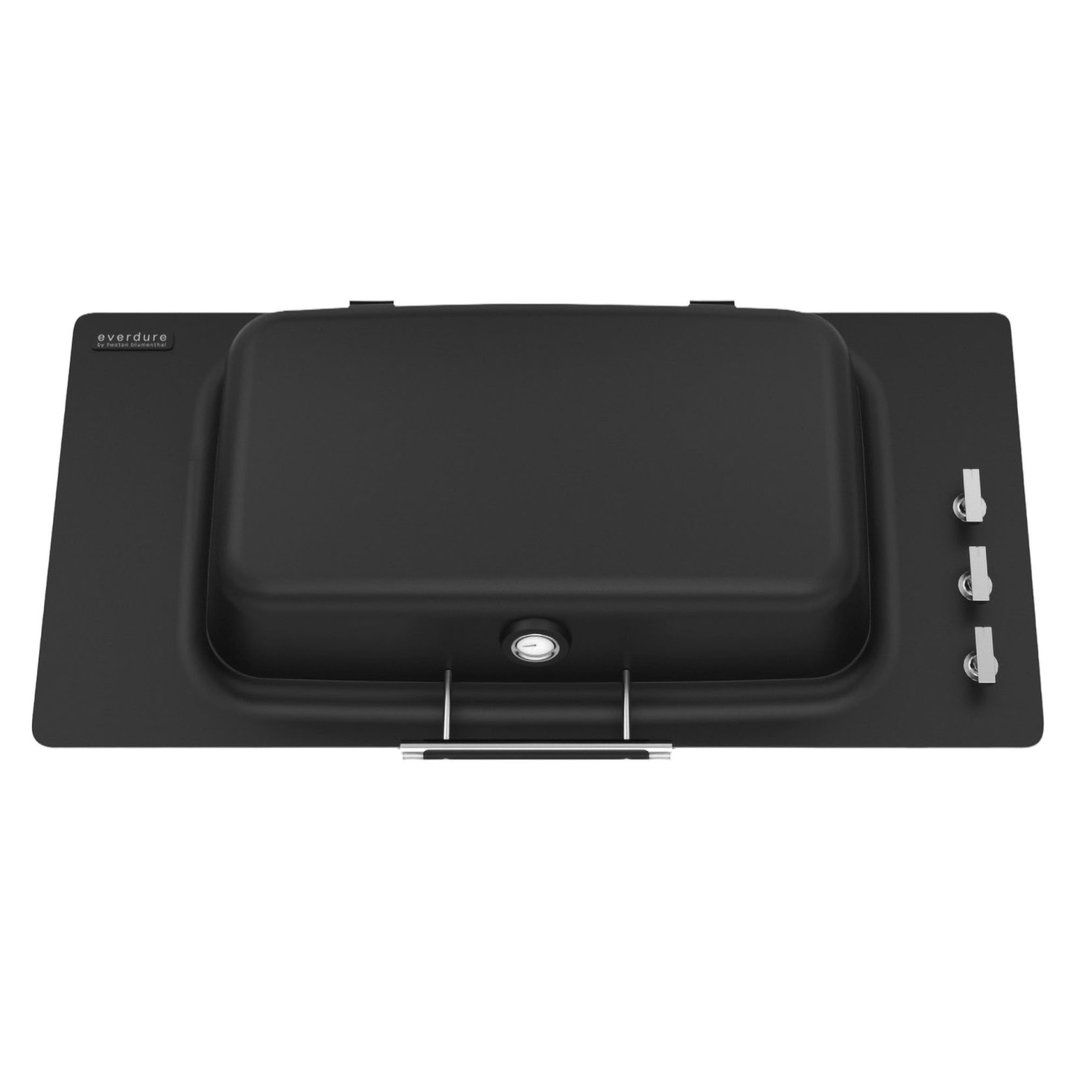
There are few things more Australian than firing up the BBQ on a warm afternoon with family and friends. Whether you're after a compact portable grill for camping trips, a solid 4-burner for weekend entertaining, or a premium natural gas setup built into an outdoor kitchen, Bing Lee has you covered. We stock BBQs from trusted brands including Crossray, Beefeater, Everdure, and more - across gas, charcoal, and electric in a range of sizes to suit every backyard, balcony, and budget. Here's everything you need to know before you buy.
Gas, Charcoal, or Electric - Which BBQ Is Right for You?
The fuel type you choose shapes the whole cooking experience. From how you light it and control the heat, to the flavour it brings to your food. Here's how the three main options compare.
Gas BBQs
Gas BBQs are by far the most popular choice in Australia, and it's easy to see why. They're quick to light, easy to control, and ready to cook in minutes. Most gas BBQs run on LPG from a portable gas bottle, which you can swap out at a service station or hardware store when it runs empty. If you're setting up a permanent outdoor kitchen, many models can also be connected to your home's mains natural gas supply - a more convenient and cost-effective option in the long run since you never have to worry about running out mid-cook. Gas BBQs give you precise heat control through adjustable burners, and most models let you run different zones at different temperatures simultaneously - handy when you're cooking for a mixed group with different preferences. Some gas models include an additional infrared burner specifically designed to replicate the intense, charring sear you'd get from a charcoal BBQ, giving you the best of both worlds.
Charcoal BBQs
If flavour is your priority, charcoal is hard to argue with. The smoky, charred taste that charcoal imparts to meat is something gas simply can't fully replicate, and for a lot of BBQ enthusiasts it's the whole point. Charcoal BBQs also reach very high temperatures, making them excellent for searing steaks and getting a proper char on the outside of your food. The trade-off is time and technique. Charcoal takes longer to get going - typically 20-30 minutes to reach cooking temperature - and heat control is more hands-on, managed by adjusting airflow vents rather than turning a knob. It's a more involved process, but many cooks find that's part of the enjoyment. Charcoal BBQs are also generally more affordable to purchase upfront than comparable gas models.
Electric BBQs
Electric BBQs are a practical option for situations where open flames aren't permitted - apartment balconies, certain council areas, or any space where a gas connection isn't available. As long as there's a power outlet nearby, an electric BBQ will reliably deliver consistent heat without the need for fuel management. The limitations are real: electric BBQs don't reach the same peak temperatures as gas or charcoal, and they won't give you charred, smoky flavour. But for everyday grilling on a balcony, or for anyone who wants the simplicity of plug-in cooking, they're a genuinely useful option. Ninja's electric BBQ range in particular has made waves in recent years with strong performance in a compact, versatile format.
What Size BBQ Do You Need?
Getting the size right comes down to two things: how many people you regularly cook for, and how much space you have. Here's a practical guide.
Portable BBQs (1-2 burners)
Portable BBQs are compact, lightweight, and easy to pack into the car for camping, beach trips, or picnics in the park. They're simple to set up, easy to clean, and won't take up much space on a small balcony or in the garage when not in use. The trade-off is cooking capacity. Portables are best suited to 2-4 people and don't offer much room for cooking multiple things at once.
Mid-Size BBQs (3-4 burners)
A 3-4 burner BBQ is the sweet spot for most Australian households. It comfortably feeds 6-8 people, gives you enough cooking surface to run different foods at different temperatures simultaneously, and is still manageable to move around and clean. This size range offers the best combination of versatility and practicality for regular weekend use.
Large BBQs (5-6 burners)
If you regularly host big gatherings or want a serious outdoor cooking setup, a 5-6 burner BBQ gives you the space and power to cook large quantities without the juggling act. These models often come with additional features like side burners, rotisserie attachments, and integrated storage. They're heavier, take up more outdoor space, and use more gas per cook, but for the right household the extra capacity is well worth it.
As a general rule, if you're unsure, go one size up from what you think you need. It's much easier to cook on a larger BBQ than to wish you had more room when you've got guests waiting.
Hotplates, Grill Plates, and Cooking Surfaces
Most mid-to-large gas BBQs offer a combination of cooking surfaces, and getting the right mix makes a real difference to what you can cook and how well it turns out.
Grill Plates
Grill plates feature raised bars that allow fat to drip away from the food below, creating the characteristic grill marks that are synonymous with a great BBQ. They're ideal for steaks, chops, sausages, fish fillets, and anything you want a charred crust on. The gaps between bars also allow flare-ups from dripping fat, which adds flavour but requires a little more attention.
Hotplates
Flat hotplates are a solid, smooth cooking surface, more like a large frying pan. They're better for foods that would fall through a grill (prawns, sliced vegetables, eggs, bacon), and they retain moisture well, making them great for fish and delicate proteins. A hotplate is also easier to clean after cooking.
Getting the Balance Right
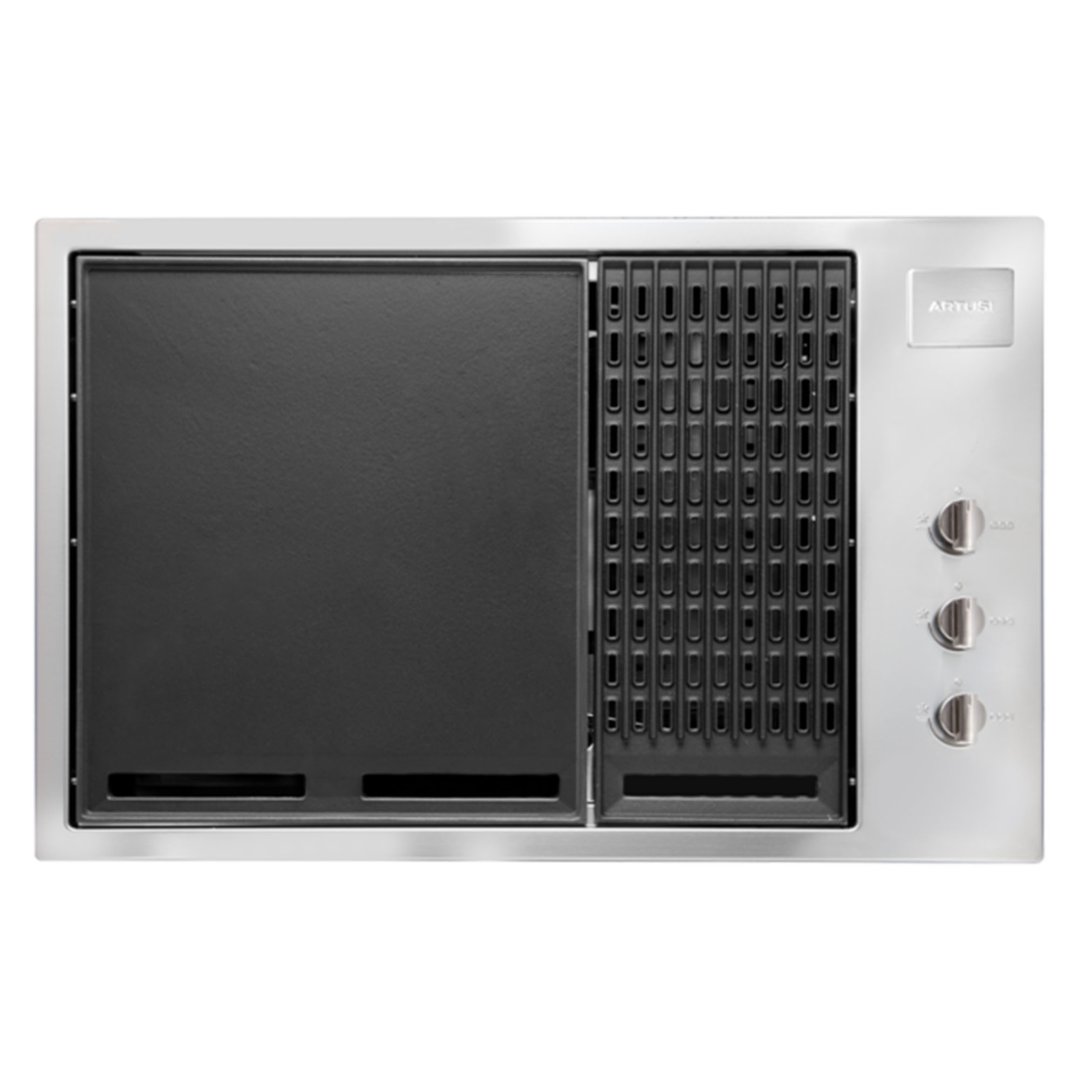
A BBQ split roughly 50/50 between hotplate and grill plate gives you the most versatility for everyday entertaining. You can sear steaks on the grill side while cooking prawns and vegetables on the flat plate at the same time, a genuinely useful setup when you're cooking for a mixed group.
LPG vs Natural Gas - What's the Difference?
If you're buying a gas BBQ, you'll need to decide between LPG and natural gas. Here's how they differ in practice.
LPG (Bottled Gas)
LPG is the default for most portable and freestanding gas BBQs. You purchase a gas bottle from a service station, hardware store, or bottle swap station, connect it to the BBQ, and you're good to go. It's flexible, requires no fixed installation, and lets you take the BBQ with you if needed. The downside is that bottles run out, and LPG costs more per unit than mains natural gas. Keeping a spare bottle on hand is strongly recommended.
Natural Gas (Mains Connected)
If you're setting up a permanent outdoor cooking area and your home has a natural gas connection, having your BBQ plumbed into the mains is a worthwhile upgrade. You'll never run out mid-cook, running costs are lower than LPG, and there's no bottle swapping to worry about. The trade-off is that a mains-connected BBQ isn't portable, and the installation requires a licensed gas fitter. Most brands that support natural gas operation include a conversion kit - check the product specifications before purchasing.
Keeping Your BBQ in Good Shape
A well-maintained BBQ will last many years and cook better every time you use it. Here's what to do.
Before Your First Cook
When you first unbox a new BBQ, remove all protective film and packaging, then wipe down the surfaces with a stainless steel cleaner to remove any residue or fingerprints. Do this before first heating as marks baked onto a cold surface can become permanent. Then fire up the BBQ at medium-high heat for around an hour to cure the cooking surfaces evenly before your first proper cook.
After Every Cook
The easiest way to keep your BBQ clean is to clean it after every single use, while the plates are still warm but safe to touch. A grill brush works well on warm grill plates to lift food residue and fat before it dries on. Leaving grease and food debris to build up between cooks not only makes cleaning harder, it allows carcinogenic compounds to accumulate on the cooking surface, which is genuinely worth avoiding.
Every Six Months
Twice a year, it's worth doing a more thorough service. Disassemble the grill plates and burner components, soak them in hot soapy water, and scrub with a non-scratch brush. Check underneath the BBQ for signs of rust or corrosion, particularly around the burners and the base of the firebox. Catching rust early and treating it promptly will significantly extend the life of your BBQ. If your BBQ has a hood, clean the inside surfaces too as grease builds up there over time and can become a fire hazard.
Between Cooks
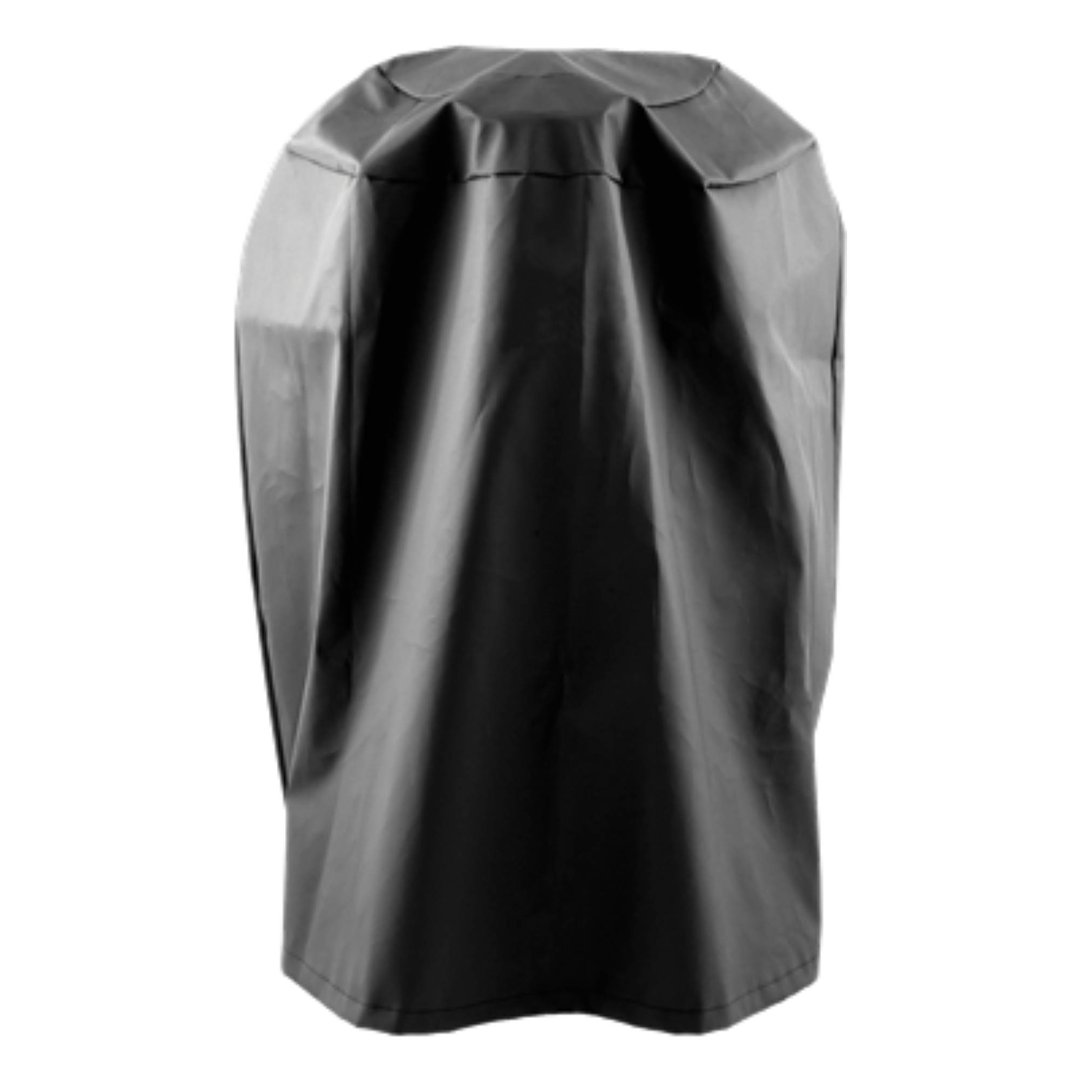
Always use a BBQ cover when the unit is not in use, particularly if it lives outdoors year-round. A quality cover protects against rain, sun, and dirt, and will make a significant difference to how long your BBQ stays looking and performing at its best.
What to Check Before You Buy
> Fuel type - gas (LPG or natural gas), charcoal, or electric based on your setup and cooking style
> Size and burners - match cooking capacity to how many people you typically cook for
> Cooking surface - consider the hotplate/grill plate split for the versatility you need
> Portability - do you need to move it regularly, or is it staying in one spot?
> Natural gas compatibility - if you want mains gas, confirm the model supports it and includes a conversion kit
> Hood/lid - a hood significantly expands what you can cook using indirect heat; worth having on any mid-size or larger BBQ
> Side burner - useful for sauces, sides, and anything you want to keep warm while the main cook finishes
> Ignition type - electronic ignition is convenient; check whether it's battery-operated or requires a lighter as backup
> Material and build - stainless steel and cast iron components last longer and perform better than cheaper alternatives
> Ease of cleaning - removable drip trays and dishwasher-safe components make post-cook clean up much less painful
> Space available - measure your outdoor area before buying a large model
Shop BBQs at Bing Lee
At Bing Lee, we carry a wide range of BBQs from some of Australia's most trusted outdoor cooking brands, across gas, charcoal, and electric in sizes to suit every household and outdoor space. Whether you're after a portable grill for camping or a premium setup for your alfresco entertaining area, our team can help you find the right fit.
Browse our full BBQ range online, or visit your nearest Bing Lee store to see the options in person.